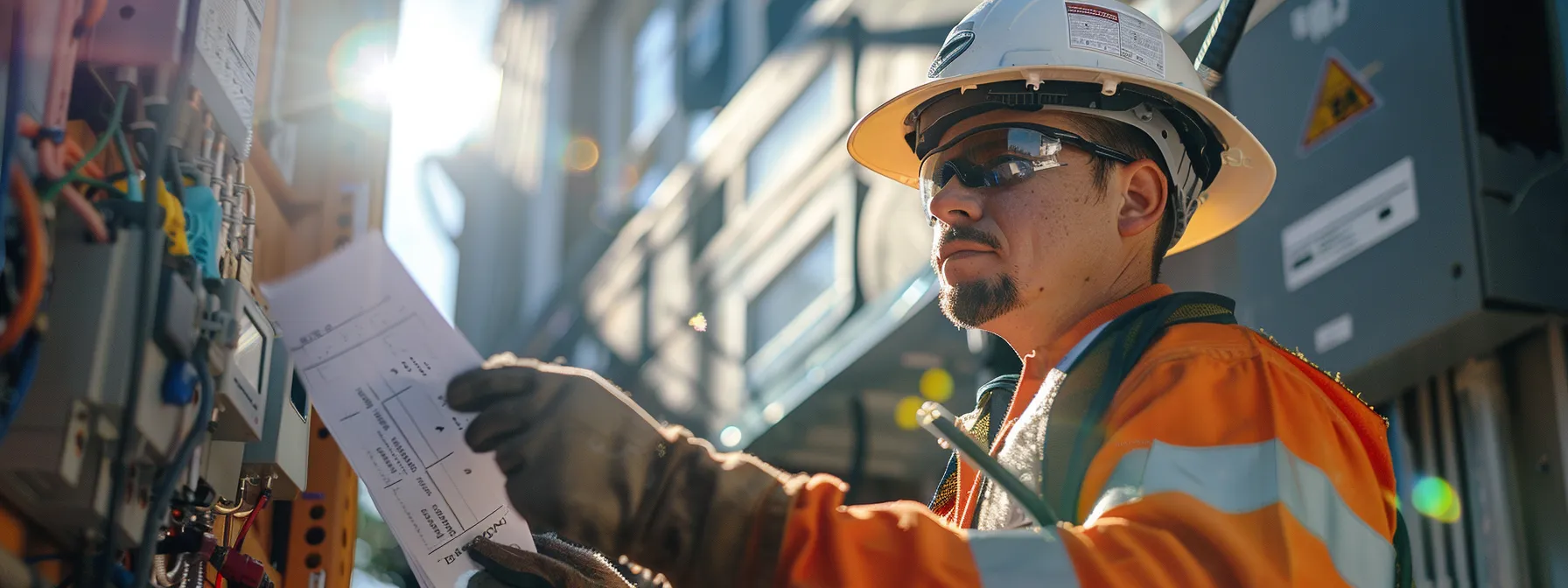
Navigating Water Well Contractor Bonds in California

Navigating Water Well Contractor Bonds in California

Steps to Obtain a Water Well Contractor Bond in California

Have difficulties understanding the steps required to secure a water well contractor bond in California? This blog post presents clear directions, ensuring professionals meet eligibility requirements, gather necessary documents, and complete the application process. It addresses common challenges faced during the approval process and offers practical solutions to reduce delays. Readers will gain valuable insights that simplify obtaining their bond efficiently.

Understand the Importance of a Water Well Contractor Bond in California

a sleek, modern office setting showcases a confident water well contractor discussing a surety bond agreement with stakeholders, surrounded by documents emphasizing project integrity and regulatory compliance.

A water well contractor bond safeguards project integrity, ensuring compliance with state requirements through a reliable surety bond company. It also benefits limited liability companies by protecting stakeholder investments.

This bond adheres to executive order mandates, ensuring adherence to regulatory standards and promoting trust in the contractor’s work. It provides a framework that reinforces operational credibility.

Using a water well contractor bond establishes a track record of financial responsibility, which can improve credit scores over time. Contractors in the oil sector often rely on clear credit histories to secure future projects.

The bond supports risk management practices and demonstrates commitment to quality service. Contractors and limited liability company owners value these measures as they build confidence in the market.

The next part outlines who qualifies under strict requirements. It guides the reader through the steps needed to meet the bond criteria.

Review the Eligibility Criteria for a Water Well Contractor Bond

a professional office setting showcases a thoughtful contractor examining eligibility documents on a sleek desk, with water management schematics and insurance policy papers prominently displayed, emphasizing the technical proficiency required for securing a water well contractor bond.

The eligibility process requires contractors to demonstrate sound knowledge in hydrology, ensuring that project assessments meet state standards. Verification documents must be submitted as a pdf to confirm technical proficiency.

Applicants must present a current insurance policy that aligns with the regulatory framework. This policy helps establish credibility and fortifies the contractor’s financial soundness.

Regulatory requirements extend to professionals operating in regions such as Oregon and San Francisco. These geographic specifications ensure contractors meet localized standards in water management and construction.

Reviewing eligibility criteria involves a careful check of credentials, including technical expertise and compliance documentation. Contractors who compile the necessary materials can streamline the application process for their bond.

Understanding who qualifies for a water well contractor bond builds a clear picture. The next step brings forward the details needed to support your application.

Gather Required Documentation for the Water Well Bond Application

a focused office scene captures a diverse group of professionals gathered around a conference table, intently reviewing essential documentation and contracts, illuminated by soft overhead lighting, with business licenses and financial statements neatly organized in front of them.

Contractors must gather essential documents by identifying necessary business licenses, collecting proof of insurance, and preparing financial statements. These steps address risk management and support a strong bid bond and compliance with California contractors state standards. This process is similar to practices applied in Alabama and ensures a reliable water supply project foundation.

Identify Necessary Business Licenses

Contractors must secure the appropriate business licenses that include permits for water-related projects and environmental health compliance, ensuring every step aligns with regulatory demands. In regions like North Dakota, obtaining the proper licenses serves as a guarantee of adherence to state guidelines and improves the establishment of a solid payment bond record.

Relevant documentation should detail professional credentials and legal compliance in the water and environmental health sectors. Licensed contractors benefit from a streamlined application process, as these credentials confirm their readiness to undertake critical projects while providing the security of a verified payment bond.

Collect Proof of Insurance

Proof of insurance is a critical document for contractors applying for a California state contractors bond, as it demonstrates their ability to cover potential damages and meet state obligations. The documentation must clearly outline current coverage and limits, ensuring that tasks throughout project implementation are secure and transparent.

Contractors submitting proof of insurance benefit from reduced surety bond cost and improved credibility with regulatory bodies, similar to established practices in west virginia. The process reduces the risk of financial loss caused by damages and supports a strong reputation, which is essential for consistent project success.

Prepare Financial Statements

Contractors preparing financial statements must include detailed records that align with a cslb contractor’s standards, ensuring transparency for the public while meeting state and regional requirements. This process often involves collaborating with reliable insurance services to validate coverage details, particularly useful for projects in areas like Mexico, where precise documentation supports both quality and financial integrity.

Establishing comprehensive financial statements demonstrates practical expertise and commitment to an apprenticeship in project management, assuring oversight and reliability. Contractors benefit from rigorous documentation that simplifies future audits and builds trust among stakeholders by maintaining clarity in financial performance.

Documents in hand, the next steps bring clarity to the process. The guide now turns to the clear actions needed to finish the bond application.

Steps to Complete the Application for the Water Well Contractor Bond

a sharp, focused image of a professional in a sleek office environment, intently reviewing a formal water well contractor bond application on a modern desk, with legal documents and a laptop prominently displayed, conveying a sense of diligence and regulatory compliance.

This section details how to complete the water well contractor bond application in California. It covers choosing a reputable surety bond provider, filling out the bond application form, submitting supporting documents, and paying the required bond premium. The process aligns with environmental and construction regulation, manages expense effectively, and supports environmental protection standards.

Choose a Reputable Surety Bond Provider

A reputable surety bond provider offers essential guidance for licensed contractors and plumbing professionals when navigating contractor license bonds. Their expertise can help mitigate potential tax issues and prevent failure during the application process, ensuring that applicants complete the necessary paperwork accurately and efficiently.

Choosing a trusted provider streamlines the process while protecting both new and established contractors from operational risks. This partnership allows licensed contractors to access tailored support that addresses industry-specific challenges and maintains compliance with state requirements.

Fill Out the Bond Application Form

The process of filling out the bond application form is straightforward and ensures that every detail is accurately captured to meet California standards. The contractor must verify that the form reflects all necessary business information, whether operating as a single entity or under a corporation format, which can be crucial for managing surety-bond-cost and providing evidence of established practices as seen in markets like los angeles and arizona.

Expert guidance suggests reviewing the form carefully to avoid common errors that might delay the approval process. Contractors applying for a water well contractor bond benefit from precise documentation, gaining insights from similar projects in new mexico and other regions, making the entire experience more efficient and secure.

Submit Supporting Documents

The submission of supporting documents is a crucial step that validates the contractor’s bond application. Ensuring that every piece of documentation meets the requirements under state law minimizes potential delays, and confirming details such as warranty information and proof of money management creates a robust profile for the contractors bond process.

Expert guidance advises that contractors carefully review each document before submission, aligning documentation with standards from regions like Idaho to demonstrate readiness. Each submitted document serves to illustrate financial responsibility and compliance with relevant law, supporting the case for a successful contractors bond issuance.

Pay the Required Bond Premium

The contractor ensures that the required payment is made in accordance with the guidelines established by the surety company, promoting financial accountability as part of the construction contract. This process requires a reliable payment method, much like ensuring a pump runs smoothly for operations in colorado regions, guaranteeing that funds are transferred accurately and securely.

The premium payment confirms the contractor’s commitment to complying with bond requirements and maintains the credibility necessary for successful project execution. A timely payment not only supports the surety company’s risk management but also solidifies the contractor’s reputation within the market of water well projects.

The application steps have been completed with clarity and purpose. Now, the process that confirms your bond awaits with straightforward guidance.

Understand the Approval Process for the Water Well Contractor Bond

a focused office setting captures a professional reviewing a comprehensive approval process chart for water well contractor bonds, illuminated by bright overhead lights, enhancing the clarity of the detailed timeline and regulatory steps displayed on the wall.

The process includes an anticipated timeline for approval and additional requirements overseen by the department of conservation in northern california. The detailed steps cover review of groundwater assessments, license verification, and compliance checks according to united states standards. Each stage provides practical insight for contractors ensuring smooth project progress.

Anticipate Timeline for Approval

The timeline for approval often depends on the completeness of documentation and the speed at which business details are verified. Contractors should prepare for a prompt process if all relevant documents, including insurance records and indemnity information, are submitted accurately, ensuring timely compliance with state requirements for projects in agriculture and construction sectors.

Contractors must expect the approval phase to be influenced by various regulatory checks, such as drought impact assessments and license verifications, which can affect scheduling. This phase establishes trust with the regulator and secures confidence for business ventures by ensuring that every aspect, from indemnity coverage to insurance details, meets state standards.

Respond to Any Additional Requirements

Contractors must respond to additional requirements swiftly and accurately; fulfilling these conditions can positively affect their credit score and streamline the review process. This responsiveness confirms that all elements, from borehole assessments in challenging landscapes to compliance with relevant standards, are thoroughly documented and verified.

Industry professionals recognize that addressing extra criteria often involves collaboration with a reliable subcontractor for specialized tasks related to mining and water extraction. This proactive strategy ensures that each regulatory detail is managed efficiently, further solidifying the contractor’s reputation and operational stability.

Approval of the bond is just the beginning. Keeping it in force demands steady effort and smart choices that promise lasting stability.

Maintain Your Water Well Contractor Bond

a focused office scene depicts a diligent contractor reviewing renewal documents and compliance regulations for water well bonds, illuminated by sharp overhead lighting that emphasizes the importance of maintaining licenses and operational stability in the backdrop of a modern workspace.

Contractors must monitor renewal dates, understand claims against their bond, and ensure ongoing compliance with California laws. Maintaining a robust cslb license is crucial for projects, including drinking water initiatives in california and in regions like minnesota. This approach supports a reliable california cslb record and overall operational stability.

Monitor Renewal Dates

Monitoring renewal dates is critical for a california contractor to maintain a solid credit history and avoid unexpected claims that could jeopardize a project. Staying informed of these timelines helps ensure that a california contractor bond remains valid and ready for emergencies while protecting financial interests.

Contractors who actively check renewal dates can address any updates needed on their insurance or documentation, thereby maintaining a reliable California contractor bond. This proactive approach minimizes the risk of lapses in coverage during emergencies and safeguards the contractor’s credit history from potential claims.

Understand Claims Against Your Bond

Contractors should regularly review how claims affect their water well contractor bond to minimize disruptions in their projects. By undergoing thorough underwriting and an exam process, including detailed inspections similar to those required in Kentucky, a contractor ensures that every customer concern is addressed before any claims can impact their financial profile.

Understanding claims against a bond involves monitoring each claim’s cause and resolution to maintain an accurate record. Contractors benefit from clear underwriting practices and a comprehensive exam that includes essential inspections, ensuring that each customer interaction strengthens their overall credibility in the industry.

Ensure Ongoing Compliance With California Laws

Contractors must maintain ongoing compliance with California laws by regularly reviewing requirements tied to their california contractor license and ensuring all operations align with state standards. A performance bond remains key to demonstrating financial integrity during petroleum projects, an area that requires stringent oversight similar to that seen in traditional construction settings.

Industry professionals recognize the importance of staying updated with regulatory changes that affect projects in diverse sectors, including areas like Ohio where oversight from the Ohio department of natural resources ensures strict adherence. Consistent monitoring and proactive adjustments enable contractors to safeguard their status as licensed entities, ensuring that both financial and operational benchmarks are consistently met.

Conclusion

The outlined steps ensure that contractors adhere to state standards while maintaining financial and operational credibility. The process simplifies document collection, application submission, and premium payment. Contractors gain confidence and streamline approval by following these detailed procedures. This approach solidifies both market trust and regulatory compliance for water well projects in California.

Texas Used Car Dealer Bond Costs: Factors to Consider

Texas Used Car Dealer Bond Cost: Insights for Dealers

Do rising bond costs hinder Texas used car dealers from maintaining compliance? This post discusses what a Texas used car dealer bond is, why dealers need a surety bond, and how pricing is determined. Readers will learn key factors that influence bond pricing and strategies to reduce expenses. The content offers straightforward insights to help dealers manage costs and streamline their bonding process, addressing common cost concerns.

texas-auto-dealer-bond-used

What Is a Texas Used Car Dealer Bond?

tx-used-auto-dealer-bond

A Texas used car dealer bond is a type of dealer surety bond designed to protect customers and regulatory bodies from fraudulent activities in the used car market.

This bond acts as indemnity, ensuring that a dealer compensates for money losses incurred due to violations of state regulations.

The bond yield reflects the financial commitment a dealer makes to maintain ethical business practices within the industry.

Some dealer surety bonds help cover liabilities similar to those associated with medicare obligations, ensuring that funds are available if issues arise.

Texas used car dealer bonds are the foundation of trust in the industry. The next section shows how these bonds protect dealers from risk.

Why Do Texas Dealers Need a Surety Bond?

used-car-dealer-bond-texas

Texas dealers need a surety bond to secure a reliable financial safeguard that enhances customer confidence. The bond acts as proof of the dealer’s commitment to ethical practices similar to high standards found in places like wisconsin and new york.

The bond provides a clear menu of protections that benefits both the dealer and the consumer. Dealers recognize the importance of this financial tool in managing potential liabilities when facing issues akin to those in mexico.

This financial instrument also helps maintain market credibility by aligning practices with strict standards seen in illinois markets. The bond ensures that customer claims are addressed with prompt and fair compensation.

Texas dealers rely on this surety bond as a transparent method to uphold regulatory requirements. The device not only supports local commitments but also mirrors robust approaches used in markets such as new york and wisconsin.

A strong bond stands as a shield for car dealers in Texas. Next, the reader will gain a clear look at the true expense of these bonds, a detail that can shape every deal.

Understanding the Cost of a Texas Used Car Dealer Bond

texas-used-car-dealer-bond

The surety bond cost for Texas used car dealers typically reflects various factors, including the dealer’s financial history and business operations. Dealers often compare these costs to those found in company assessments across states such as oregon.

Financial institutions and bonding companies review each application carefully, ensuring that the dealer meets the criteria for liability insurance coverage. Bond providers assess the dealer’s risk profile alongside local market standards.

The cost evaluation also considers potential risks, including issues related to replevin actions. An experienced company weighs these risks to help secure a bond that covers both customer claims and operational liabilities.

Rates vary among providers, and dealers benefit from comparing offer details to secure the best deal for their business. The surety bond cost remains a key element in maintaining sufficient liability insurance and fostering trust in the market.

The numbers offer a clear picture of value and risk. Next, key elements shape the final pricing details.

Factors Influencing Texas Car Dealer Bond Pricing

texas-auto-dealer-bond-used

This section covers how credit history, business volume, and bond amount requirements shape Texas used car dealer bond cost. It examines the impact on cost through factors like wage influence and motor vehicle registration practice. Also discussed are aspects that affect consumer assurance and lease value, offering practical insights for informed decision-making.

Credit History Impact on Bond Cost

Credit history plays a crucial role in determining bond cost for dealers, with a strong record helping to secure more favorable rates. A dealer with verified credit stability, whether in Maine or Michigan markets, indicates lower risk to the trustee, resulting in more competitive pricing and improved trust among bonding companies.

Financial records that demonstrate consistent performance also contribute to reduced bond costs, similar to how reliable fuel records ensure stable operations. A transparent credit profile, supported by diligent customs compliance, offers clear benefits, enabling dealers to navigate the Texas market with the confidence that their risk is well-managed.

Business Volume and Its Effect on Pricing

Business volume affects bond pricing as higher sales and consistent transactions suggest a more stable operation, potentially lowering the risk assessment made by a lawyer during a trial review. Improved operational activity aligns with favorable interest rate conditions and may reduce the perceived risk from the department of motor vehicles and similar entities, as seen in assessments performed in Missouri.

Dealers with significant volume tend to show robust cash flow and consistent performance, factors that bonding companies consider in their pricing models. This steady flow of business demonstrates reduced vulnerability to financial disruptions, a point that can strengthen the dealer’s position when evaluated by financial experts, including those specializing in trial proceedings and department of motor vehicles criteria.

Bond Amount Requirements in Texas

Texas used car dealer bond amount requirements are vital in determining overall fee structures that protect dealers from risk. Dealers often compare these fee levels with those required by organizations in markets like Connecticut and Florida, ensuring that their bail and bond arrangements remain competitive while meeting state criteria.

Bond amount requirements set a clear expectation for dealers, streamlining costs and reinforcing credibility with bonding organizations. Evaluating the fee and bail conditions associated with these requirements enables dealers to manage their financial commitments more effectively, similar to practices observed in other jurisdictions like Connecticut and Florida.

The discussion on pricing elements brings forth practical steps. The next section lays out the process for securing a used lot bond in Texas.

How to Obtain a Used Lot Bond in Texas

tx-used-auto-dealer-bond

This section explains the steps involved in applying for a Texas dealer bond. It covers selecting a trusted surety company, comparing options in markets like Houston and South Carolina, and securing the proper insurance policy and warranty option. The content offers practical insights for dealers seeking clarity and competitive terms in their bond application process.

Steps to Apply for a Texas Dealer Bond

Dealers begin the application process by gathering all necessary documentation that proves their business operations meet regulation requirements. They should prepare collateral information and financial records that reflect a favorable yield curve to support their application, which can ease the bond process even in markets like Mississippi with high demand for secure transactions.

Next, dealers consult with trusted surety companies to review the pricing variables and risk assessments based on their business volume and also credit history. This step provides actionable insights into obtaining a competitive bond rate, ensuring that their financial commitment is accurately reflected in the application while meeting both local regulation standards and market expectations.

Choosing the Right Surety Company

Selecting a reliable surety company is crucial in the Texas used car dealer bond process, especially when comparing offers across the market. Dealers should review the invoice details and examine the company‘s history in regions such as Indiana and Kansas to gauge their reliability and pricing accuracy.

A dealer’s confidence in the bond process increases with a surety company that offers clear cost structures and proven support in Texas. Evaluating a provider’s local presence and responsiveness, as seen in their work with clients in Indiana and Kansas, helps in choosing a partner that meets both financial and regulatory requirements.

The process unfolds with clear steps and practical details. The next section answers key queries that many in the field often ask.

Common Questions About Texas Auto Dealer Bonds

tx-used-auto-dealer-bond

The bond cost review process often involves a judge‘s assessment to ensure compliance with state guidelines while addressing any financial discrepancies. This review also verifies that accrued interest is correctly calculated in bond agreements.

Dealers monitor accrued interest figures to minimize additional expenses and maintain clear financial records. Data from regulatory filings supports this process and also confirms accurate measurement of interest rate risk.

Interest rate risk remains a key concern when evaluating bond costs in Texas. Dealers use reliable data to predict changes and stay prepared for potential adjustments as guided by industry standards.

Reliable data from sources in Idaho and similar markets helps refine the risk assessment for dealer bonds. The evaluation process includes detailed review by a judge, ensuring that accrued interest and risk factors follow applicable regulations.

The questions clear the air for what truly matters. Up next, the bond‘s benefits shine bright for Texas dealers.

Benefits of Securing a Surety Bond for Dealers in Texas

texas-used-car-dealer-bond

The surety bond offers a strong defense against fraud, providing dealers with a reliable mechanism to protect their assets and reputation in markets like Pennsylvania and also Vermont. It serves as a critical tool to maintain operational integrity.

Dealers benefit from a robust financial backup that mirrors the value of a certificate of deposit, ensuring that funds are available to address claims and disputes. This system supports confidence among business partners and customers alike.

The bond process draws on practices similar to those used in Hawaii, ensuring that products meet rigorous standards while minimizing the risk of financial loss. This approach reinforces the commitment to ethical business practices.

Securing a surety bond demonstrates to regulators and clients that the dealer is committed to meeting their obligations. It not only reduces the impact of fraud but also increases market credibility in areas like Pennsylvania and Vermont.

Conclusion

Texas used car dealer bond costs play a crucial role in protecting the interests of both dealers and customers. The analysis highlights how credit history, business volume, and bond amount requirements directly affect pricing structures. Dealers obtain practical insights that empower them to assess financial commitments accurately and navigate regulatory requirements effectively. This understanding strengthens market credibility and also provides a reliable strategy for managing risks in used vehicle operations.

Key Factors in California Water Well Contractor Bond Costs

Key Factors in California Water Well Contractor Bond Costs

Are you having trouble understanding how bond costs and requirements impact your work as a water well contractor in California? This post explains what a California water well contractor bond is, breaks down its cost structure, and outlines state bonding rules and minimums. The article offers clear insights on how surety bonds work and highlights key factors like credit and experience that affect premiums. Readers will find practical information to help manage their bond expenses and ensure compliance with state regulations.

water-well-contractor-bond-california

What Is a California Water Well Contractor Bond?

water-well-license-bond-california

California water well contractor bonds serve as a financial guarantee for contractors, ensuring adherence to legal obligations required by state law. The bond covers responsibilities related to finance, court proceedings, and wage issues. This section outlines the bond’s purpose and the mandatory requirements, drawing comparisons to practices in nebraska and kentucky for clear industry insights.

Definition and Purpose of a Water Well Contractor Bond

A California water well contractor bond is a financial instrument that safeguards the interests of clients and the state by ensuring that contractors adhere to regulatory and financial obligations. It establishes a clear framework where the contractor’s performance is monitored through a set percentage of the contract value, similar to practices seen in states like Delaware and Connecticut, supporting both the business and legal aspects involved.

This bond functions as a guarantee, offering protection against potential deficiencies in meeting contractual or payment responsibilities that might jeopardize project outcomes. It can also assist a contractor in securing a loan by demonstrating fiscal responsibility, thereby reinforcing trust with clients and regulatory bodies within the industry.

Legal Requirements for Water Well Contractors in California

California water well contractors must comply with legally mandated financial safeguards, including accurate valuation of project responsibility and timely payment practices. Contractors are required to maintain a robust credit score, ensuring that regulators remain confident in their fiscal discipline, much like standards observed in states such as oklahoma and pennsylvania.

Authorities emphasize strict adherence to regulations that govern contractor performance and pricing standards in the construction process. This requirement not only establishes a fair price for service delivery but also mirrors fiscal practices in montana, reinforcing that reliable credit metrics directly influence the overall bond framework.

A California water well contractor bond holds clear value and purpose. Next, the costs tied to securing this bond reveal important details for the contractor’s journey.

What Are the Costs Associated With a California Water Well Contractor Bond?

california-contractor-bond-water-well

California water well contractor bond costs cover pricing breakdown, influencing factors, and a typical price range. Analysis includes cost determinants, references to fee structures in illinois, louisiana, and new jersey, as well as the role of the california department of real estate in setting standards and addressing potential damages. This section provides clear insights into bond premium computations.

Breakdown of Water Well Bond Pricing

The surety bond cost for water well contractors in California hinges on several factors, and the surety adjusts the premium based on contractor credit history and experience. Evaluations often mirror those applied to similar sectors such as freight broker bond assessments, ensuring that subcontractors and executors receive consistent oversight and protection.

Each surety considers project scope and risk, which can significantly alter the overall premium. Transparent cost breakdowns help businesses plan their budgets effectively, reinforcing trust between contractors, subcontractors, and the surety in financial arrangements.

Factors Influencing the Cost of a Water Well Contractor Bond

The cost of a water well contractor bond is influenced by factors such as credit history, project risk, and the contractor’s overall experience. Contractors with a strong guarantee background may find favorable rates, similar to evaluations seen by banks in states like New Mexico and Indiana, where clear financial records and reliable performance are essential.

Premium computations also consider industry standards and performance indicators like proof via a notary public, ensuring that each contractor meets the strict regulatory framework. Expert evaluations in this field align with practices used by banks to assess fiscal abilities and project risks, thereby assisting stakeholders in making informed decisions.

Typical Price Range for California Water Well Contractor Bonds

The typical price range for California water well contractor bonds generally falls within a moderate bracket, influenced by strict regulation standards seen in states such as Rhode Island. Contractors operating in the construction industry can better manage costs by comparing their rates to similar financial instruments, much like those managed by an insurance broker who also considers credit variations used in student loan assessments.

Cost variability in these bonds often reflects the contractor’s experience and displayed fiscal responsibility, impacting premium rates set by sureties. This approach allows contractors to maintain informed budgeting practices while aligning with industry benchmarks observed in construction projects and financial evaluations influenced by regulation policies.

The details of pricing lead directly to the workings behind these financial guarantees. The next section shows how bonds secure the interests of water well contractors in California.

How Do Surety Bonds Function in the Context of California Water Well Contractors?

california-water-well-bond

Surety bonds for California water well contractors are vital financial tools that ensure regulatory compliance and protect against potential theft or financial missteps. The process clarifies the relationship between contractors and surety companies while involving a lawyer to verify compliance, similar to protocols in North Dakota, Hawaii, and Florida.

Understanding the Surety Bond Process

The surety bond process for California water well contractors involves a detailed review of a contractor’s background, with collateral evaluations and thorough analysis to ensure every parameter meets established real estate standards and state regulations. Information gathered during this process helps both contractors and surety companies make informed decisions about financial risks, similar to assessments observed in West Virginia.

Contractors benefit from the process through transparent assessments of credit capacity and project risk, where collateral serves as a key factor in determining bond premiums. The system is designed to guarantee compliance with clear information, aligning contractor performance with regulatory demands and cementing trust in financial arrangements for water well projects.

Relationship Between Contractors and Surety Companies

The relationship between contractors and surety companies in California exemplifies a transparent partnership where financial responsibilities are clearly defined and monitored. Contractors ensure that their operational commitments, whether for a vehicle installation, a mobile home setup, or other construction projects, align with state regulations, while surety companies actively assess credit profiles and project risks similar to assessments performed in New Hampshire, Medicare assessments, and practices observed in Massachusetts.

Surety companies offer expertise and verified evaluations that help contractors manage financial liabilities effectively, fostering a climate of trust and accountability. Contractors benefit from structured guidance and tailored premium rates that reflect their credit history and project scope, ensuring compliance and stability in financial planning essential for sustained growth in competitive markets.

Bonds secure contractors and safeguard projects with clear, simple rules. Next, the focus shifts to unveiling state standards for these bonds.

What Are the Specific Requirements for Obtaining a California Water Well Contractor Bond?

water-well-contractor-bond-california

Candidates must submit clear documentation and meet eligibility aspects by providing proof of cash reserves, documented experience, and relevant company details. Required documentation includes financial records and project history. Contractors in San Francisco have the option to supplement their application with additional evidence, while clear eligibility criteria ensure a thorough review of each bidder’s qualifications.

Required Documentation and Information

The documentation process for obtaining a California water well contractor bond requires precise financial records and a clear demonstration of project history, ensuring that any perceived failure in accountability does not recur. Contractors should also submit proof of sustained behavior under regulatory oversight, with support from the california department of consumer affairs and guidance from industry standards such as those of liberty mutual to strengthen their application.

Applicants are expected to provide detailed evidence of cash reserves and project success to avoid issues similar to those seen in vermont, where insufficient documentation led to delays. The process demands clear submission of all necessary information, emphasizing the importance of transparency and adherence to regulatory norms to ease the assessment of each contractor’s eligibility.

Eligibility Criteria for Water Well Contractors

State guidelines require water well contractors to demonstrate sound financial stability and an impeccable record free from unresolved debt, serving as a benchmark for their eligibility. Contractors involved in various sectors, such as car wash operations, must submit clear tax records to verify fiscal credibility, a practice that reinforces the bond application’s integrity.


Applicants must exhibit a history of compliance with regulatory standards as validated by reliable sources, including information from employment agency screenings if applicable. Maintaining transparency and also meeting these strict criteria ensures that contractors are well-prepared for the financial commitments associated with water well contractor bonds in California.

The bond requirements set a firm foundation for each contractor. The rules that follow directly shape every contractor’s path forward.

How Do California Surety Bond Rules Impact Water Well Contractors?

california-contractor-bond-water-well

This section outlines California surety bond regulations that shape water well contractor operations. It reviews contractor compliance and reporting obligations tied to water supply standards and financial practices. Contractors ensure that money management safeguards the interests of both consumer and also customer, providing insights similar to practices observed in Ohio for effective regulatory adherence.

Overview of California Surety Bond Regulations

California surety bond regulations set clear criteria for contractors and emphasize transparency through thorough underwriting processes. These rules not only protect water and natural gas service projects but also directly affect the terms of a California contractor bond, ensuring contractors adhere to both state and cross-industry standards observed even in states like Texas.

The guidelines enforce rigorous credit evaluations and mandate detailed project records to minimize risks. Contractors benefit from a structured framework that monitors underwriting and pricing criteria, which ultimately supports stable water projects and continuous service quality.

Compliance and Reporting Obligations for Contractors

Contractors are required to submit timely and accurate reports as part of their ongoing compliance with California surety bond regulations. These reporting obligations ensure that public records remain updated, fostering transparency for contractor license bonds and bond insurance, and aligning their practices with standards as observed in north carolina while managing necessary escrow accounts.

Regulatory authorities mandate periodic documentation of project progress and financial measures to verify that contractors adhere to established guidelines. This process facilitates reliable oversight and maintains best practices related to escrow, contractor license bonds, and bond insurance, thereby supporting both legal and also operational interests within the construction industry.

The state sets strict rules, yet claims on bonds pose their own risks. Contractors must now grasp the facts behind claims to safeguard their work.

What Should Contractors Know About Claims on Water Well Bonds?

water-well-license-bond-california

Contractors should understand the claim process on a water well contractor bond, including filing guidelines managed by the california contractors state license board. Key topics include asset recovery, cost evaluation, typical bond claim reasons, and corporation customs in the industry. These insights guide practical steps and necessary documentation while safeguarding contractor interests and promoting clear accountability.

Process for Filing a Claim on a Water Well Contractor Bond

Contractors initiate the claim process on a water well contractor bond by submitting a formal claim form that outlines the issue and provides documentation related to water resources and project expenditures; clear instructions ensure that the claims review does not supersedeas bond requirements while maintaining the high standards of financial accountability expected in the industry. Experienced professionals encourage contractors to navigate marine insurance by offering guidance through the claim procedure, using precedent cases and verified data to clarify complex nuances.

Reviewers assess the claim using detailed documentation, verifying that all factors, including aspects like immigration status that might impact project operations, have been duly recorded for compliance with state regulations, as seen in practices similar to those in south carolina. This diligent verification process reinforces transparency and fairness, ensuring that every contractor receives a thorough examination of their claim based on established guidelines.

Common Reasons for Bond Claims in California

Contractors often file bond claims in relation to disputed payments or issues arising from contractual obligations that do not meet the terms mandated by law. Regulators like the Oregon Water Resources Department thoroughly examine every claim and expose discrepancies in contractor license bond arrangements through a detailed documentation process overseen by the organization.

Claims typically emerge when contractors face challenges in payment disputes or when project performance does not adhere to established laws. Industry experience shows that such claims require detailed verification, and the bond system supports the resolution process by providing clarity and guidance for all parties involved.

Conclusion

Understanding California water well contractor bond costs and requirements plays a vital role in ensuring compliance with state regulations and protecting financial interests. Contractors must maintain precise documentation and robust credit records to secure favorable bond premiums and establish trust with regulators. Transparent cost assessments empower businesses to manage budgets effectively while upholding industry standards. This insight provides contractors with actionable strategies to navigate the financial and also regulatory landscape with confidence.

Ensuring Ethics: Bonding for Texas Used Car Dealers

Ensuring Ethics: Bonding for Texas Used Car Dealers

Bonding is critical for Texas used car dealers. This post explains the legal duty of obtaining a Texas used dealer bond, outlines the step-by-step process, and reviews the consequences of non-compliance. Readers will understand how proper bonding protects consumers and avoids severe financial penalties. Addressing a common challenge for dealerships, the content offers clear guidance to ensure ongoing compliance and financial stability.

licensed-used-car-dealers-texas

Understanding the Texas Used Dealer Bond and Its Significance

texas-preowned-car-dealers

The texas dealer bond safeguards the operations of used car dealers by meeting legal requirements. This bond not only secures consumer transactions but also underpins the integrity of dealer licensing in Texas.

Dealer licensing authorities enforce the bond requirement to protect buyers from deceptive practices. A proper texas dealer bond ensures that financial obligations are met, mirroring similar regulations found in states like arizona and kentucky.

Financial institutions assess the bond performance and set a competitive interest rate based on market conditions and the dealer’s profile. This assessment promotes stability and trust within the dealer network across regions such as colorado.

Maintaining a compliant texas dealer bond is fundamental for dealers to avoid legal penalties and ensure consumer protection. Dealers benefit from a structured framework similar to those implemented in arizona and kentucky, reinforcing commitment to fair business practices.

The bond‘s role is clear and firm, protecting both the dealer and the buyer. Now, the reader turns to the rules that bind the license and secure trust in Texas dealerships.

The Legal Requirements for Texas Auto Dealer License Bonds

used-car-dealers-texas

Texas used car dealers must secure license bonds that meet state-mandated standards for indemnity and consumer protection. These bonds align with requirements observed across states such as Idaho and Illinois.

The bond requirements ensure that dealers offer the necessary indemnity if financial obligations are not met, promoting stability in dealer operations. Compliance mirrors practices found in regions like Mississippi and Massachusetts.

Regulatory agencies inspect these bonds to verify proper indemnity coverage and adherence to legal criteria. Dealers must maintain valid bonds to uphold license integrity and consumer trust.

The enforcement of these requirements safeguards transactions and protects buyers from financial risks. Dealers benefit from a transparent framework that equates to similar standards set in states including Idaho and Massachusetts.

Texas auto dealers must follow strict rules that govern their license bonds. They now turn to car lot surety bonds to keep their operations in line.

Ensuring Compliance Through Car Lot Surety Bonds

used-car-dealers-texas

The enforcement of car lot surety bonds supports compliance requirements essential for Texas used car dealers. These bonds help safeguard money associated with dealer operations and verify that each dealer meets the tax obligations set by the state.

Regulatory bodies assess dealers on various criteria such as their credit score to ensure financial responsibility. This process also takes into account market conditions in areas like Minnesota and Tennessee.

Car lot surety bonds secure agreements made with consumers, creating a transparent system that protects financial transactions. Dealers maintain these bonds to uphold their license and mitigate potential risks related to tax and money management.

Dealer compliance is verified through regular inspections of surety bonds, ensuring that every dealership operates within state regulations. This framework reassures consumers and helps maintain a strong credit score, fostering trust across regions including Minnesota and Tennessee.

Dealers must take every step to secure their future. Moving forward, the cost of neglecting bonding in Texas starts to show its weight.

The Financial Implications of Not Being Bonded in Texas

texas-preowned-car-dealers

Dealers who fail to secure a bond may face adverse effects on their credit, which can restrict funding opportunities and impact long-term financial stability. Maintaining a bond supports a solid financial profile and builds trust among partners and institutions.

A lack of bonding can diminish customer service quality, as unbonded dealers may struggle to resolve disputes promptly. Reliable bonding practices ensure that customer service remains responsive and efficient.

Without a valid bond, dealers risk disruptions in related insurance policy benefits, exposing them to increased financial liability. Such disruptions can mirror challenges observed in states like South Dakota and Rhode Island.

The financial strain from not being bonded may lead to higher operating costs and greater dependency on external financing options. This situation directly undermines the dealer’s credit standing and overall market reputation.

Skipping bond protection in Texas carries heavy risks. Next, clear steps lead to securing the Texas Used Dealer Bond and guarding your future.

Step-by-Step Process to Obtain a Texas Used Dealer Bond

texas-used-car-dealers

The process begins with thorough research on dealer surety bond options and surety bond cost estimates, helping clarify the requirements for Texas used car dealers. Sales data and industry comparisons, including insights from Hampshire, guide initial decision-making.

Next, dealers gather necessary financial records and license information to support their application for a dealer surety bond. This stage ensures that all required documents, such as sales figures and trailer records, are readily available.

The application is then submitted with a focus on accurate reporting of sales and financial history to secure an optimal surety bond cost. Dealers work with bonding agents to finalize details specific to the Texas market and practices noted in regions like Hampshire.

After submission, the review process confirms the dealer’s compliance with state regulations and financial stability. Successful applicants move forward with bond approval that protects their transactions, including sales and trailer transfers, under a robust dealer surety bond framework.

The steps stand clearly, each one built with precision. Now, misconceptions about Texas auto dealer license bonds come into focus to be examined with a keen eye.

Common Misconceptions About Auto Dealer License Bonds in Texas

licensed-used-car-dealers-texas

This section provides clear information addressing prevalent myths about the bond and its role in a car dealership. It clarifies the purpose of surety bonds in dealer operations, with insights relevant even for markets such as louisiana. The discussion covers how insurance supports financial security and compliance in the industry.

Addressing Myths Surrounding Bonding Requirements

The industry recognizes several misconceptions regarding bonding requirements, with some dealers erroneously believing that their credit history alone can secure a license. Expert insights show that the law mandates a verified construction of a robust financial profile, similar to practices in georgia, to foster consumer trust. This approach ensures that bonding is not just a formality but a well-established measure to safeguard transactions.

Analysts note that myths about bonding can lead dealers to underprepare for the verification process, which scrutinizes every element from credit history to comprehensive financial documentation. By understanding the law and aligning with best practices, dealerships can build a resilient framework that meets the licensing requirements. This method reinforces consumer protection and supports a structured, transparent bonding system.

Clarifying the Role of Surety Bonds in Auto Dealerships

The surety bond in auto dealership operations plays a key role in managing risks such as fraud in transactions and ensuring accountability in business practices. Regulatory agencies in states such as Florida, Utah, and Vermont confirm that these bonds require strict financial obligations, a process often facilitated by a knowledgeable broker who understands market expectations.

This financial instrument protects both dealers and consumers by verifying compliance with state regulations and preventing potential fraudulent activities. Industry professionals emphasize that a proper surety bond, managed by an expert broker, not only secures transactions but also establishes a framework that supports transparency and trust throughout auto dealerships.

Misunderstandings give way to reality. True cases among used car dealers shed light on how bonding works in practice.

Real-Life Examples of Bonding in Action for Texas Used Car Dealers

texas-preowned-car-dealers

A Texas used car dealer in Missouri improved its credit standing by closely monitoring its social security number records and maintaining proper liability coverage through bonding. This led to a noticeable improvement in their overall percentage ratings from state inspections.

The dealer partnered with a firm that provided a freight broker bond, ensuring all consumer transactions met state compliance standards. This approach minimized liability while reinforcing consumer confidence in dealership operations.

A detailed review of the social security number documentation increased the accuracy of financial assessments, contributing positively to liability reduction. The dealer saw a considerable percentage decrease in discrepancies during audits, highlighting the importance of bonding.

By securing a freight broker bond, the dealership in Missouri significantly enhanced its operational safeguards. These measures ensured that liability issues were effectively managed and that all transactions adhered to industry standards.

Real-life examples show how bonding protects interests and builds trust. Now, a set of clear questions explains how these bonds keep dealers and buyers safe.

Frequently Asked Questions About Texas Used Dealer Bonds and Surety Bonds

used-car-dealers-texas

Dealers face an expense when obtaining a bond, and this cost is viewed as a necessary investment to protect the vehicle asset and overall financial stability.

Regulatory bodies in states like Maryland set standards that encourage compliance, which in turn strengthens consumer trust in the asset protection measures provided by the bond.

Bonding requirements assist dealers in regions near Mexico by ensuring that every asset linked to a vehicle transaction remains secure.

With strict guidelines in place, dealers understand that the expense tied to the bond covers important liabilities, making vehicle transactions clear and less risky as a key asset in the business.

Conclusion

Bonding secures dealer operations and protects consumer transactions within Texas. It confirms that financial obligations are met and that risk management practices remain robust. Dealers use bonding to maintain compliance with state regulations, reinforcing industry integrity and consumer confidence. This understanding encourages proactive steps that sustain long-term financial stability and trust in the marketplace.

Essential Insights on Private Detective Bonds in Florida

What to Consider When Obtaining a Private Detective Bond in Florida

Does obtaining a private detective bond in Florida seem overwhelming? This post explains key steps to apply for a Florida private investigator bond while outlining eligibility criteria and factors affecting bond costs. It offers practical guidance to help companies secure the required documentation and avoid common pitfalls. Readers will gain clear insights into the application process and cost considerations, ensuring a smoother journey toward obtaining their bond.

Understanding the Private Detective Bond in Florida

a focused office setting showcases a meticulous private investigator analyzing documents and regulatory compliance forms under bright, modern lighting, symbolizing the disciplined oversight required in managing private detective bonds in florida.

A private detective bond in Florida requires strict regulatory compliance to ensure that investigations adhere to state standards. The process involves clear documentation, bond limits, and surety-bond-cost considerations that protect both the agency and its clients.

Investigators must understand every requirement, similar to how quantum mechanics operates on precise laws in physics. This bond operates under strict scrutiny to maintain trust within the field.

A security guard plays a crucial role in safeguarding evidences and maintaining order during investigations, mirroring the discipline required when managing a private detective bond. Issuing companies observe similar protocols when setting bond limits in Iowa.

Financial terms sometimes reflect a level of aromaticity in the clarity of transactional details, ensuring that every agreement is straightforward. This focus guarantees that all parties meet regulatory compliance without complication.

The discussion shifts to the steps investigators must follow. Critical details await that every investigator should know before applying for the bond.

Key Considerations Before Applying for a Florida Private Investigator Bond

a focused office scene depicts a stern investigator intently reviewing detailed documentation under bright fluorescent lights, surrounded by stacks of regulatory papers and compliance records, emphasizing the meticulous nature of the florida private investigator bond application process.

Investigators must provide complete and accurate required documentation before applying for a Florida private investigator bond, ensuring the process includes a thorough review of aldehyde-related compliance items and other necessary records. The documentation confirms that every application meets strict state criteria.

The application process emphasizes a clear understanding of bond limits, similar to the precise nature of a nucleophile interacting with a stable atomic orbital. Applicants should maintain proper education in regulatory protocols to support their submission.

Financial responsibilities and transaction details play a crucial role in the procedure and are presented with clarity, much like information shared on linkedin or other professional networks. Proof of education and related credentials aids in streamlining the evaluation process.

Understanding all regulatory obligations and the impact of precise procedural requirements is vital. Investigators apply a level of analytical rigor resembling a nucleophile targeting specific atomic orbital positions, ensuring the bond meets state safety and reliability standards.

Investigators must understand the groundwork before moving forward. Next, clear criteria determine who qualifies for the bond.

Eligibility Criteria for Obtaining a Private Investigator Bond

a focused office setting features a sharp-eyed private investigator reviewing documentation related to eligibility criteria for a bond application, surrounded by organized files and an open laptop displaying relevant data.

This section outlines basic eligibility for securing a private investigator bond, including age and residency criteria. It also details the required documentation for the application process. The content draws parallels to freight broker bond standards, rotation principles in physics, and emphasizes the importance of a credit score as well as proper organization for effective submission reviews.

Age and Residency Requirements

Applicants must meet the age requirement to qualify for a Florida private investigator bond, ensuring that only those with adequate legal maturity proceed with registration. This requirement is as fundamental as principles seen in molecular orbital theory, and it supports a system where insurance providers can confidently gauge the risk involved, similar to the stable structure of a hydrogen atom within a tetrahedron framework.

Residency requirements extend beyond Florida borders and consider alignment with standards similar to those observed in Texas, further improving the application process. This criterion ensures that all investigative professionals operate within a clearly defined jurisdiction, reinforcing a level of security and trust akin to the foundational support seen in a hydrogen atom tested within molecular orbital theory.

Required Documentation for Application

The application process in Florida requires clear documentation, including a verified fingerprint record and official documents that combine traditional and electronic submissions in a hybrid format. This ensures that the candidate’s identity and professional credentials are accurately represented before further review.

Applicants must also provide a valid email address for communication and receive notifications regarding submission status while confirming details related to chirality factors that support precise identity matching. This streamlined approach in Florida protects both the agency and the client by ensuring that the required documentation meets state standards.

Single Source Insurance outlines the essential requirements clearly. Next, the steps to secure a Florida bond come into focus, inviting further attention.

Step-by-Step Process to Apply for a Florida Private Investigator Bond

a sleek, modern office setting showcases a serious candidate seated at a polished desk, surrounded by neatly organized documentation and a digital tablet displaying a secure application portal, emphasizing the meticulous process of applying for a florida private investigator bond.

The process begins with gathering all necessary documentation to prove professional eligibility, ensuring every detail holds strong valence within state requirements. The application team confirms that candidate records align with legal standards similar to structures like a bonding molecular orbital.

Applicants supply precise and reliable identity verification. This initial review requires documentation from sources such as Kentucky and Rhode Island to maintain secure and consistent standards.

Submission of the application entails a clear evaluation of bonding molecular orbital principles as they relate to risk assessment. Candidate details, including information comparable to that expected in New Hampshire procedures, support the review process effectively.

The final stage involves a thorough review of all submitted documents to confirm compliance. The procedure ensures each record holds the necessary valence, thereby reinforcing the system’s stability and accuracy.

The process now stands clear and precise. The next section lays out the key points that shape the cost of a detective license bond.

Important Factors Affecting the Cost of Your Detective License Bond

a focused, modern office setting depicts a professional examining detailed financial charts and graphs on a sleek digital tablet, emphasizing the complexities of detective license bond costs and variations in different states.

The discussion covers fee structures, payment options, and credit history‘s impact on bond premiums, with clear insights into how an electrophile reacts at a specific angle in risk assessments. Comparisons with standards seen in Indiana, North Carolina, and cyclopropane applications support an understanding of cost variations in detective license bonds.

Fee Structure and Payment Options

The fee structure for a detective license bond in Florida is influenced by strict regulation and risk factors, much like assessing the precision of a sigma bond in chemistry. Pricing may vary depending on a candidate’s profile and the complexity of cases, with many agents comparing these factors to standards seen in Hampshire environments when evaluating fidelity bond conditions.

Payment options are tailored to support consistent cash flow management, ensuring that costs align with the overall financial plan. A clear analysis of expenses, which takes into account elements such as molecular geometry in risk distribution, helps investigators understand the value behind every fee offered.

Impact of Credit History on Bond Premiums

Investors note that a solid credit history influences detective license bond premiums significantly. Investigators with strong financial records often enjoy more favorable rates, as credit history is a crucial part of a broker‘s finance evaluation, similar to evaluating a chemical bond‘s stability, even when compared to credit standards used in Oregon and Arizona markets.

Assessing credit history remains vital for agencies to determine the risks associated with a candidate’s application. With clear financial profiles, applicants benefit from reduced premiums, reflecting a balanced approach to risk akin to well-calibrated financial systems in various states such as Oregon and Arizona.

Costs can weigh heavily on a detective license bond. Next, key missteps when managing a private investigator bond demand careful thought.

Common Pitfalls to Avoid When Securing Your Private Investigator Bond

a focused office scene showcases a diverse group of professionals collaborating around a sleek conference table, meticulously reviewing financial documents and application forms for a private investigator bond, illuminated by bright overhead lighting that highlights the importance of accuracy and detail in their work.

Agencies should avoid errors in gathering documentation, as incomplete records can lead to complications similar to those in dihydroxylation processes. Clear and consistent filings support successful applications for a private investigator bond in Florida.

Misunderstanding the required information is a common pitfall; the accuracy of a lewis structure may reflect the detail and correctness needed in submissions. Accurate data reduces risks and streamlines the approval process.

Insufficient examination of financial details can lead to challenges, much like an unstable pi bond in chemistry. Maintaining precise financial records is crucial for meeting state criteria and ensuring bond approval.

Error in assessing procedural mechanics is often overlooked and may delay the application, drawing parallels with the complex systems observed in new mexico. A thorough review of all documents minimizes oversight and improves submission quality.

Small missteps can cost dearly. Florida investigators now find practical resources and clear guidance to secure the best bond.

Resources for Florida Private Investigators Seeking Surety Bonds

a modern office workspace features a computer screen displaying a sophisticated app interface for private investigators, with graphs and updates on surety bonds illuminated by vibrant led lighting, encapsulating a high-tech, efficient atmosphere for compliance and documentation.

Florida private investigators can access robust online resources to compare surety bond offers with those available in california, ensuring competitive terms for each bonding requirement. These platforms provide live updates and financial data similar to the precise calculations of an atom.

Specialized apps serve as useful tools across the state when verifying documentation; the ease of digital access mimics the reliability of an electron pair in maintaining a secure bond process. Investigators benefit from detailed, real-time updates on bond limits and eligibility criteria.

Guidelines on required documentation offer clear paths to compliance, reflecting clarity and order similar to the simple structure of a carboxylic acid molecule. Professionals can use these digital resources to enhance their application submissions.

Educational materials and digital support centers, often connected with dedicated apps, help investigators understand the nuances of private detective bonds. Structured like precise chemical models, these resources assist in streamlining the application process and ensuring complete regulatory compliance.

Conclusion

Obtaining a private detective bond in Florida requires careful attention to documentation, eligibility, and regulatory criteria. Investigators must understand bond limits and submission procedures to ensure compliance. Clear records and precise financial profiles directly influence bond costs and approval speed. Agencies and professionals benefit by maintaining rigor throughout each step, bolstered by dependable digital resources and structured guidelines.

Why Florida’s Licensing Needs Private Detective Bonds

Why Florida’s Licensing Needs Private Detective Bonds

Are you aware that private detective bonds in Florida are a state mandate for licensure? This article breaks down the legal framework and explains the requirements to obtain a Florida detective bond. Readers will learn about the role of surety bonds in detective licensing and the consequences of non-compliance. The content addresses a common concern among aspiring private investigators and offers clear steps to ensure proper certification, helping companies meet state requirements and protect their operations.

florida-investigator-surety-bond

Overview of Private Detective Bonds in Florida

private-detective-license-bond-florida

The state of Florida mandates bonds for private detective licensure, including the surety bond cost, to ensure a secure and responsible investigative environment. The bond protects against potential losses that may occur if a licensee fails to perform their duties with the required level of care and professionalism.

The requirement supports a framework of accountability for private detectives, aligning licensure with approved industry practices. This measure assists in safeguarding both client and state interests, including the protection of sensitive information gathered during investigations.

Internship programs for aspiring detectives often include guidance on managing bond requirements and associated fees. These programs provide structured training that covers the responsibilities and financial commitments tied to licensure, reinforcing the state’s regulatory measures.

The financial aspects of the detective bond, including the fee structure, contribute to establishing a reliable standard for performance and liability. The bond also offers protection in cases where activities intersect with issues related to prison investigations or other high-risk scenarios.

The law stands strong, defining every step in the work of a private investigator. A closer look at licensing shows a system built on trust and solid rules.

Understanding the Legal Framework for Private Investigator Licensing

private-investigator-bond-florida

The legal framework mandates that private detectives adhere to strict bond requirements, which include provisions that cover trial processes and safeguard against fraud. This structure ensures that investigative activities remain accountable and transparent.

The licensing process emphasizes the need for proper insurance coverage to manage the financial risks associated with investigative errors. The bond also mitigates concerns around potential fraud incidents, reinforcing trust in the system.

The regulations extend to practitioners in various regions, even mentioning practices related to alaska, to highlight the nationwide commitment to upholding investigative standards. These guidelines provide a uniform basis for licensure that is respected across different jurisdictions.

The framework addresses the risk factors associated with sensitive cases, such as those involving drug-related investigations. The bond serves as a financial safeguard, minimizing losses and protecting all parties involved from unforeseen liabilities.

Understanding the legal framework guides the private investigator through essential rights and protections. Next, clear standards for a Florida Detective Bond offer insight into how the industry keeps trust intact.

Requirements to Obtain a Florida Detective Bond

florida-private-detective-bond

Eligibility Criteria for Private Investigator License and Documentation Needed for the Bond Application are outlined clearly, offering practical insights for applicants. This article provides a law firm perspective on the policy, connecting criminal justice principles and even considerations similar to those seen with an electrical contractor‘s compliance, ensuring a straightforward approach for all involved.

Eligibility Criteria for Private Investigator License

The eligibility criteria for a private investigator license in florida emphasize a stringent review process, ensuring that candidates have a clear understanding of risk management principles and fiduciary duties. Applicants must provide accurate documentation, including a verified email address, to facilitate efficient communications with the board of directors overseeing the licensing process.

Practical experience and a background in related fields increase an applicant’s chances of meeting the stringent requirements required to mitigate risk effectively. This process, guided by established industry practices and rigorous oversight by the board of directors, equips candidates with a strong foundation in fiduciary responsibilities essential for a successful career in private investigation.

Documentation Needed for the Bond Application

The application process requires detailed documentation, including authentic identification and financial records that justify the money allocated for bonding. Documentation may also involve notarized statements, and applicants from areas like oregon and wyoming should ensure that every record is processed by a notary to verify authenticity and prevent any potential theft issues.

The regulatory framework expects applicants to submit comprehensive evidence of their background, with a strong emphasis on proper verification to mitigate risk. Applicants must provide clear documentation to satisfy the board’s scrutiny, ensuring that all financial transactions and potential theft concerns are accurately recorded and backed by a notarized statement.

The requirements are met, and the process leaves little doubt about the need for trust. Now, surety bonds step in, holding the licensing system together with strong duty.

The Role of Surety Bonds in Florida‘s Detective Licensing

florida-investigator-surety-bond

Surety bonds serve as a financial safeguard in Florida‘s detective licensing, ensuring that licensees adhere to established ethics and industry standards. They reduce risks associated with investigative work by providing a reliable layer of financial security that parallels practices seen in states like vermont and south carolina.

The bond functions as a guarantee similar to a bail system, protecting clients and the state from potential losses. It reinforces ethical conduct and promotes trust, which is essential for maintaining high industry standards.

Florida‘s licensing requirements integrate surety bonds to prevent financial missteps and uphold regulatory protocols akin to those implemented in wisconsin. This system ensures that all investigative activities are performed with accountability and transparency.

The incorporation of surety bonds supports a disciplined framework that emphasizes ethics, risk management, and faithful execution of duties. It creates a reliable structure that secures the interests of both investigators and the state, aligning with practices observed nationwide.

Surety bonds protect and empower Florida‘s detective licensing. A missing private detective bond leaves room for costly risks that can break even the toughest investigator’s stride.

Consequences of Not Obtaining a Private Detective Bond

private-detective-license-bond-florida

Failure to secure a private detective bond may negatively impact an investigator’s credit history and overall reliability. The absence of a bond could raise concerns among clients about financial responsibility.

Without the bond, potential liabilities can become immediate, forcing investigators to provide additional collateral in unforeseen situations. The risk elevates financial scrutiny and complicates the licensure process.

Investigators lacking a bond might also face challenges when using advanced software for case management and surveillance operations. The resulting limitations may hinder effective monitoring and risk control.

Entities operating in regions like West Virginia can experience increased legal and financial risks if a bond is not secured. Maintaining full licensure is vital to upholding professional standards and ensuring regulatory compliance.

Skipping a bond leaves one exposed to stiff repercussions. Up next, valuable tools and guidance await those ready to rise in the field.

Resources for Aspiring Private Investigators in Florida

florida-private-detective-bond

Prospective investigators can explore various educational programs in criminology that provide a foundational background for understanding private detective bonds. Institutions in states like Massachusetts offer courses that align closely with Florida‘s licensing standards.

Professional organizations in North Carolina share insight and resources that guide candidates through the process of obtaining a private detective bond. These organizations provide valuable support and practical advice.

Training programs in Missouri emphasize both practical experience and theoretical knowledge, equipping students with the risk management skills needed for effective licensure. These courses underscore the importance of ethical financial practices.

Academic institutions in New Hampshire offer specialized criminology tracks that prepare candidates for the unique challenges associated with detective bonds. These resources ensure a clear understanding of both regulatory and financial obligations.

Conclusion

Private detective bonds in Florida secure investigative operations and protect public interest. They uphold accountability by ensuring that licensees meet stringent risk management standards. Requirements for licensure foster transparency and financial responsibility among professionals. A thorough understanding of these bonds equips prospective investigators to safeguard their reputation and maintain ethical practices.

Navigating Florida Motor Vehicle Bonds: Essential Insights for Choosing Auto Insurance

Navigating Florida motor vehicle bonds can be confusing, especially when selecting the right auto insurance. Many people mistakenly believe that regular insurance is enough, but understanding bonds is essential for compliance and cost savings. This article will cover the types of Florida motor vehicle bonds, how they impact insurance rates, and the steps to obtain them. Readers will gain practical insights on avoiding common pitfalls and ensuring they meet necessary requirements, ultimately making the process smoother and more efficient. Understanding these elements can alleviate concerns about financial risks associated with auto insurance.

Understanding Florida Motor Vehicle Bonds and Their Importance in Auto Insurance

a vibrant scene of a florida auto dealership showcases rows of gleaming cars under a bright blue sky, symbolizing the integrity and trust fostered by motor vehicle bonds in the auto insurance landscape.

Florida motor vehicle bonds, specifically the Florida auto dealer bond, serve as a vital component of the auto insurance landscape. These surety bonds protect consumers by ensuring that auto dealers comply with state regulations and maintain ethical business practices.

For businesses involved in car sales, obtaining a Florida auto dealer bond is essential to operate legally and effectively. This bond guarantees that the dealer will address any claims made against them, offering a layer of security to both buyers and the marketplace.

Understanding the role of surety bonds in the auto industry is crucial for consumers exploring auto insurance options. A reliable dealer backed by a bond signifies a commitment to uphold industry standards, boosting consumer confidence in their purchasing decisions.

In contrast to other states, such as New Hampshire, Florida requires specific bonding for auto dealers. This regulatory framework ensures that businesses in the auto market adhere to best practices, enhancing the overall integrity of transactions within the state’s vehicle marketplace.

Florida motor vehicle bonds serve a vital purpose in protecting both drivers and the community. Now, let’s look at the key types of these bonds that play an essential role in auto insurance.

Key Types of Florida Motor Vehicle Bonds

a vibrant scene depicting a florida auto dealership bustling with activity, featuring diverse vehicles prominently displayed under bright sunshine, symbolizing trust and compliance in the motor vehicle bond industry.

Florida motor vehicle bonds play a critical role in ensuring compliance and ethical practices within the auto industry. This section covers essential types of bonds, including insights into the Florida auto dealer bond, which safeguards consumer interests, and the vehicle registration bond, which facilitates secure registration processes. Understanding these bonds, including associated fees and market values, is vital for consumers navigating their auto insurance options.

Exploring the Florida Motor Vehicle Bond

The Florida motor vehicle bond serves as a crucial safety net for both consumers and businesses. It ensures that auto dealers meet state regulations, protecting buyers from potential fraud and promoting ethical conduct within the industry. For instance, if a dealer fails to comply with the law relating to the vehicle identification number, the bond provides a mechanism for consumers to file claims and receive compensation, thereby reinforcing trust in the auto sales process.

Insights Into the Auto Dealer Bond Florida

The Auto Dealer Bond in Florida serves as a fundamental requirement for car dealerships, ensuring they adhere to state regulations while fostering trust with consumers. For instance, a dealership’s credit history can influence its ability to secure financing options, such as loans for inventory. This bond not only serves as a guarantee for consumers in case of misrepresentation or failure to comply with laws but also positions the dealership favorably within the marketplace, akin to the stringent requirements seen in states like Massachusetts or Rhode Island.

Moreover, possessing a Florida auto dealer bond offers reassurance to buyers when selecting a dealership to trust for their insurance needs. By verifying that a dealer is bonded, consumers can mitigate risks associated with fraud, providing peace of mind during the purchasing process. This is especially relevant for potential buyers comparing options across various states, including Utah, where bonding requirements may differ but still serve to protect consumer interests in the auto sales industry.

Details on the Vehicle Registration Bond

The vehicle registration bond is a vital component for consumers engaging with the Florida Department of Highway Safety and Motor Vehicles. This bond ensures that dealerships follow relevant laws, including conducting thorough background checks on the vehicles they sell. By securing this bond, car dealers protect buyers from issues such as misrepresentation and potential injury resulting from unsafe vehicles, reinforcing the integrity of the auto sales process.

Understanding the types of bonds is just the beginning. Next, one must consider how these bonds can influence your auto insurance rates, a connection that may hold significant implications for your wallet.

How Florida Motor Vehicle Bonds Affect Auto Insurance Rates

a striking close-up of a florida motor vehicle with a prominent bond certificate laid across the windshield, bathed in warm sunlight, symbolizing the connection between motor vehicle bonds and auto insurance rates.

The relationship between Florida motor vehicle bond amounts and auto insurance premiums is significant. Higher bond amounts can lead to increased insurance costs, influenced by risk factors such as the accuracy of odometer readings and sales history. Compliance with bonding requirements can offer savings opportunities, while implications from states like Nebraska or auction procedures may also play a role in determining overall insurance rates. Understanding these elements is essential for consumers when assessing their auto insurance options.

The Relationship Between Bond Amounts and Premiums

The bond amount required for Florida motor vehicle bonds can significantly impact the premiums consumers face for their auto insurance. A higher bond amount often correlates with a greater perceived risk, leading to increased insurance costs. For instance, sole proprietorships in the auto industry may need to adjust their financial strategies to account for this relationship, ensuring they remain compliant with state regulations while effectively managing their expenses.

Moreover, understanding the dynamic between bond amounts and premiums can empower consumers in their insurance decisions. Engaging with a tax collector can help clarify how specific percentages might affect overall costs within the region. By proactively communicating, possibly through email for more detailed inquiries, consumers can better navigate their options, ensuring they choose a dealer who not only adheres to bonding requirements but also aligns with their budgetary expectations.

Risk Factors That Influence Insurance Costs

Risk factors such as the dealership’s financial stability play a significant role in shaping insurance costs. A partnership with reputable entities can reflect positively on a dealer’s credibility, which may lead to favorable premium rates. For instance, a dealer in Montana known for its strong track record might experience lower insurance costs due to its solid reputation compared to those with questionable practices.

Moreover, the involvement of the Internal Revenue Service in licensing and tax compliance can also impact insurance premiums. Dealers in Tennessee who maintain accurate records and demonstrate fiscal responsibility may benefit from lower insurance rates. Understanding these risk factors allows consumers to make informed decisions when selecting a dealership and its related auto insurance options, ensuring they receive the best value while minimizing potential liabilities.

Savings Opportunities Through Bond Compliance

Complying with Florida motor vehicle bond requirements can lead to significant savings on auto insurance premiums. For instance, dealerships that demonstrate compliance not only build trust with their customers but may also benefit from lower risk assessments by insurance providers. This is reflected in states like Alabama and Wyoming, where adherence to legal bonding requirements has shown to positively influence insurance costs, offering dealerships a competitive edge in managing their financial obligations.

Furthermore, maintaining proper bond compliance can serve as proof of financial responsibility, which can be advantageous when negotiating coverage options. In cases where debts or liabilities are a concern, dealers who provide evidence of consistent bond management may find themselves with more favorable terms and lower premium rates. Awareness of these dynamics can guide consumers in selecting a dealership that aligns with their needs while potentially reducing the overall cost of vehicle insurance.

With knowledge of how these bonds impact auto insurance rates, a clear path emerges. Next, the necessary steps to obtain a Florida motor vehicle bond await, guiding you through the process with ease.

Steps to Obtain a Florida Motor Vehicle Bond for Auto Insurance

a professional auto dealership bustling with activity, showcasing a bright, welcoming environment where documents for florida motor vehicle bonds are prominently displayed on an elegant desk, illuminated by soft, natural lighting.

Obtaining a Florida motor vehicle bond is a crucial step for auto dealers and businesses in the automotive industry. This process involves determining eligibility for bond procurement, preparing necessary documentation such as the certificate of title, and finding a reputable surety provider. These steps ensure compliance with state regulations, facilitating smoother operations for companies involved in the Florida auto market.

Determining Eligibility for Bond Procurement

Determining eligibility for bond procurement involves assessing various factors related to ownership and contractual obligations of the dealership’s operations. Businesses must provide documentation such as the vehicle title and proof of interest in maintaining compliance with state regulations. This documentation is critical in demonstrating financial responsibility, ensuring that the dealership is equipped to meet any claims that may arise under their insurance policy.

The eligibility process also requires prospective dealers to evaluate their creditworthiness and business history. A solid credit standing can influence the terms of the bond and the overall approval process, as surety providers assess the risk associated with issuing the bond. By preparing the necessary paperwork and understanding the requirements, dealerships can enhance their chances of securing a Florida motor vehicle bond, ultimately supporting their operational goals in the competitive auto market.

Preparing Required Documentation

Preparing the necessary documentation for obtaining a Florida motor vehicle bond is a vital step for auto dealers. This process typically requires proof of ownership, such as a certificate of title, along with evidence of insurance and financial stability. Without these documents, dealers may face delays in securing their bond, which could ultimately impact their ability to operate within the market effectively.

Furthermore, dealers should be aware that the quality and completeness of their documentation can influence the price of the bond. Specific requirements may vary depending on the surety provider, so understanding these nuances can help in avoiding potential damages from missing information. Engaging with a reputable surety provider can streamline this process, ensuring that all documentation meets the necessary standards for compliance while facilitating smoother operations in the competitive automotive marketplace.

Finding a Reputable Surety Provider

Finding a reputable surety provider is crucial for obtaining a Florida motor vehicle bond. Dealers should consider factors such as the provider’s experience, customer reviews, and communication practices, including how they handle documentation sent via fax. Dealers with a strong credit score may secure better terms and rates, but engaging with a provider that understands their unique needs, including sales tax implications and car ownership regulations, can significantly ease the bond acquisition process.

Additionally, a trustworthy surety provider will guide dealers in preparing necessary documentation, ensuring they are ready to be healthcare ready in case any claims arise. They should be proactive in addressing any concerns regarding compliance and financial obligations. By selecting a reliable partner, dealerships enhance their operational readiness and foster greater trust among consumers, ultimately reinforcing their position in the competitive auto market.

Securing a Florida motor vehicle bond is just the beginning. As time passes, knowing how to renew your bond and insurance becomes essential for continued protection and peace of mind.

Renewal Processes for Florida Motor Vehicle Bonds and Insurance

a dynamic scene showcasing a bustling auto dealership with well-maintained vehicles, illuminated by warm afternoon sunlight, as a motivated dealer engages in the renewal process for motor vehicle bonds and insurance, highlighting the importance of timely compliance and efficient documentation.

The renewal processes for Florida motor vehicle bonds and insurance encompass critical elements that auto dealers must manage effectively. This includes understanding the timelines and requirements for bond renewal, adjusting insurance policies during the renewal period, and the potential consequences of delayed renewals. These facets not only determine overall surety bond costs but also influence the dealer’s compliance and business operations. Connecting with a surety provider early can help streamline this process, ensuring all necessary documentation, including letters of credit, is prepared efficiently.

Timelines and Requirements for Bond Renewal

Renewal of Florida motor vehicle bonds typically occurs annually, but dealers should begin preparations well in advance to ensure compliance with state regulations. The timing of renewal is critical for maintaining the guarantee provided by these bonds, as failure to renew on time can lead to lapses in coverage, impacting both liability and operations. Proper valuation of the policy, including assessment against similar bonds in states like Connecticut or New Mexico, can help dealers understand their standing and ensure that they meet the financial stability requirements necessary for renewal.

To successfully navigate the renewal process, dealerships must gather updated documentation reflecting their current business practices and financial health. This includes demonstrating any improvements in creditworthiness or compliance history, which can positively influence renewal terms. Engaging with a surety provider early can address potential issues and streamline the process, thereby maintaining uninterrupted access to crucial bonds while protecting consumer interests in Florida’s auto market.

Understanding Insurance Policy Adjustments During Renewal

During the renewal process for Florida motor vehicle bonds, dealers must also consider adjustments to their insurance policies. Updating essential documents, like the title and motor vehicle registration receipt, is crucial as these changes can influence both bond requirements and insurance premiums. A comprehensive review of the dealership’s operational practices will help identify necessary policy adjustments that reflect current risk levels and compliance with state regulations.

Moreover, timely communication with insurance providers can facilitate smoother transitions when renewing policies. Dealers should be proactive in discussing how any changes in their business, such as new inventory or updates in bonding amounts, might affect their coverage. This approach not only helps in maintaining adequate protection but also allows dealerships to manage their expenses effectively, ensuring they are informed about the best options available for their specific needs.

Consequences of Delayed Renewals

Failing to renew Florida motor vehicle bonds on time can lead to significant challenges for auto dealers. Without a valid bond, dealers cannot operate legally, exposing themselves to potential fines and legal repercussions. For example, in states such as Vermont and Missouri, lapses in bonding obligations can trigger strict penalties that impact a dealership’s reputation and bottom line, making it essential to prioritize timely renewals.

Moreover, delayed renewals can hinder a dealership’s underwriting process when seeking insurance coverage. Insurance providers often require documentation, including a valid employer identification number and evidence of current bonding, to assess risk accurately. In Mississippi, a dealer with an expired bond may struggle to secure favorable premium rates or coverage options, further complicating their operational stability and financial health within a competitive marketplace.

Yet, the road is not always clear. Many face obstacles when managing these bonds and insurance, and understanding these challenges is crucial for smooth navigation.

Common Challenges in Navigating Florida Motor Vehicle Bonds and Auto Insurance

a visually striking scene depicts a florida highway surrounded by vibrant palm trees under a bright blue sky, illustrating the complexities of navigating motor vehicle bonds and auto insurance through transparent layers symbolizing coverage challenges and bond implications.

Understanding common challenges in navigating Florida motor vehicle bonds is essential for making informed decisions about auto insurance. Key topics include misunderstandings about coverage and limitations, the impact of bond violations on insurance costs, and addressing disputes with surety providers and insurers. These insights provide clarity on how to avoid complications, ensuring a smoother transition in the auto insurance process.

Misunderstandings About Coverage and Limitations

Many consumers hold misconceptions about the coverage provided by Florida motor vehicle bonds, particularly regarding the legal protection they offer in transactions. For instance, individuals may assume that a bond protects them against all issues related to a dealership’s practices. In reality, while these bonds ensure compliance with state regulations, consumers must also rely on a power of attorney or a lawyer to navigate more complex legal situations, especially when it involves corporations operating across state lines, such as in Wisconsin.

Moreover, there is often confusion about the limitations of auto insurance policies in relation to bonding requirements. For commercial vehicles like trucks, dealers may not fully understand how bonding impacts their overall insurance landscape. This lack of clarity can lead to unexpected costs or coverage gaps. Being proactive in discussing these nuances with insurance providers can help consumers grasp their options better, ensuring they choose a dealer whose bonding status aligns with their insurance needs and offers comprehensive protections tailored to their situation.

The Impact of Bond Violations on Insurance

Bond violations can significantly influence a dealership’s insurance landscape, particularly impacting security measures and overall creditworthiness. When a dealer fails to adhere to bonding requirements, it not only raises doubts about their operational integrity but also complicates their ability to secure essential coverages like garage liability insurance. Insurers may view such violations as indicators of higher risk, resulting in increased premiums and potentially limited coverage options.

Additionally, violations can affect the book value of a dealership’s assets, making it challenging to incorporate necessary financial adjustments when purchasing insurance. For dealers looking to maintain solid relationships with insurers, understanding the repercussions of non-compliance with bond regulations is essential. When addressing these issues proactively will help ensure that dealerships remain competitive and trusted within the Florida auto market.

Addressing Disputes With Surety Providers and Insurers

Addressing disputes with surety providers and insurers can be challenging for businesses, particularly those structured as limited liability companies (LLCs) in the auto industry. It is essential for dealers to maintain clear communication with their surety broker to facilitate prompt resolutions. For instance, when issues arise regarding claim denials in states like Georgia or California, understanding the specific terms of the bond can aid in negotiating a satisfactory outcome, thus protecting both the property interests of the dealership and consumer trust.

Effective dispute resolution often requires dealers to gather thorough documentation representing compliance with bonding regulations. In cases where disputes escalate, collaborating with a knowledgeable broker can provide critical insights into navigating the complexities involved. These professionals can assist in articulating concerns and leveraging industry knowledge to address issues effectively, reinforcing the dealership’s commitment to ethical practices and adherence to Florida motor vehicle bond requirements.

Navigating the complexities of motor vehicle bonds and auto insurance can feel overwhelming. Fortunately, valuable resources are available to guide you through the next steps.

Resources for Further Help With Florida Motor Vehicle Bonds and Auto Insurance

a vibrant scene depicting a knowledgeable consumer navigating through a digital interface filled with colorful icons representing auto insurance and motor vehicle bonds, illuminated by soft, natural lighting to evoke a sense of clarity and empowerment.

To navigate Florida motor vehicle bonds effectively, consumers can benefit from several valuable resources. Official state websites provide key information regarding fingerprint requirements and lien processes, while industry associations can offer support on payment bonds and auto dealer regulations. Suggested readings and online tools further equip individuals with practical insights for understanding recreational vehicle bonds, enhancing their ability to make informed decisions about auto insurance.

Links to Official State Resources

Official state resources offer vital information on Florida motor vehicle bonds, including regulations surrounding car dealerships and the necessity of performance bonds. These resources provide clarity on the laws that govern bonding requirements, helping potential dealership owners understand the implications of non-compliance, including the potential for lawsuits. For instance, those operating in Texas may find relevant guidelines on the different bonding requirements enforced in their state versus Florida, aiding in informed decision-making across state lines.

Recommendations for Industry Associations

Industry associations play a crucial role in guiding car dealers and consumers through the complexities of Florida motor vehicle bonds and related insurance matters. These organizations often provide resources that clarify Florida statutes related to bonding and licensing requirements, which are essential for compliance. Additionally, they offer insights on proper documentation, such as the bill of sale, which ensures that transactions are handled transparently and protect both customers and dealerships.

Associations also facilitate networking opportunities and educational seminars where members can discuss reimbursement processes and strategies for enhancing customer service. These interactions help both car dealers and consumers understand their rights and responsibilities within the auto industry, fostering trust and accountability. Engaging with industry associations can empower all parties by providing the necessary knowledge and tools to navigate the intricacies of Florida motor vehicle bonds effectively.

Suggested Reading and Online Tools for Consumers

For consumers eager to navigate Florida motor vehicle bonds and their relationship to auto insurance, suggested reading materials can provide valuable insights. Resources from the National Automobile Dealers Association often detail essential points regarding dealer licenses and bonding requirements. Additionally, many websites offer a free quote tool, allowing users to compare various auto insurance options, which can aid in understanding how bonding influences premium rates and overall coverage.

Accessible online tools can also guide consumers in comprehensively assessing their choices. Understanding the potential revenue implications of auto bonds can be critical for making informed decisions. Moreover, keeping abreast of legal terminology, such as the consequences of misdemeanor offenses related to bonding non-compliance, further empowers consumers in their quest for reliable auto insurance, ensuring they choose dealerships that adhere to the necessary regulations.

Conclusion

Navigating Florida motor vehicle bonds is crucial for consumers seeking reliable auto insurance, as these bonds ensure dealer compliance with state regulations and protect buyer interests. Understanding the different types of bonds, such as the auto dealer bond and vehicle registration bond, enhances consumer confidence when making purchasing decisions. Additionally, recognizing the relationship between bond amounts and insurance premiums can lead to significant savings and better coverage options. By focusing on these insights, consumers can make informed choices that reinforce their safety and satisfaction in the auto marketplace.

The Role of New Jersey Electrical Contractor Bonds for Professionals

Many electrical contractors in New Jersey may overlook the importance of having surety bonds, yet these financial guarantees play a crucial role in protecting both professionals and their clients. This article will explain the definition of New Jersey electrical contractor bonds, detail the application process, and highlight compliance requirements that every contractor must meet. By understanding these aspects, readers will learn how securing a bond not only enhances their business credibility but also helps solve potential issues related to project completion and customer satisfaction.

Understand the Definition of New Jersey Electrical Contractor Bonds

a focused close-up of a construction site featuring a confident electrical contractor inspecting blueprints under the warm, golden glow of the setting sun, symbolizing professionalism and adherence to regulations in the new jersey electrical contracting industry.

New Jersey electrical contractor bonds serve vital functions in the construction industry. These bonds ensure that electrical contractors adhere to state regulations, addressing fiduciary responsibilities and financial management, to be health care ready. Professionals in this field must understand who requires these bonds and the specific types available to protect against potential lawsuits. Each aspect provides critical insights into fulfilling obligations and reducing risks in electrical contracting.

Explore the Purpose of Electrical Contractor Bonds for Professionals

Electrical contractor bonds play a crucial role in ensuring safety and compliance within the construction industry. These surety bonds protect clients from potential financial losses resulting from a contractor’s failure to meet contractual obligations or adhere to industry regulations. By obtaining a performance bond, electrical contractors not only enhance their credibility but also demonstrate a commitment to quality work, ultimately fostering trust with clients and stakeholders.

Furthermore, the underwriting process for these bonds often considers the contractor’s credit score, which can significantly influence the bond‘s approval and terms. A strong credit rating reflects a contractor’s reliability and financial stability, which can lead to better bonding rates. For professionals in the electrical contracting field, understanding this connection is essential for maintaining a successful business that prioritizes safety and compliance while mitigating risks associated with project execution.

Identify Who Needs Electrical Contractor Bonds in New Jersey

In New Jersey, electrical contractor bonds are essential for various professionals working in the construction and electrical fields. Contractors engaged in projects that require adherence to safety regulations and responsible financial management must secure these bonds. By obtaining a bond, a contractor enhances their reputation and provides assurance to customers regarding their commitment to meeting contractual obligations and regulatory requirements. This option not only protects clients from potential losses but also strengthens the contractor’s trustworthiness in the industry.

Various entities may require electrical contractor bonds, including government agencies and private clients. For instance, contractors bidding on projects that involve motor vehicle installations or significant electrical systems may be mandated to present a valid bond. This requirement ensures that payments related to the project are secured and that contractors uphold their responsibilities, ultimately fostering a more reliable working environment for everyone involved in the construction process.

Learn About the Various Types of Contractor Bonds Available

In New Jersey, various types of contractor bonds are essential for electricians, providing a framework that ensures compliance with regulations and protects all parties involved. Performance bonds, for instance, guarantee that contractors complete their projects as agreed, mitigating the risk of personal injury or property damage due to unfinished or improperly executed work. Additionally, bid bonds are often required when contractors submit proposals for significant projects, assuring clients that the contractor will honor their quoted price if selected.

Contractors should also be aware of license and permit bonds, which enable electricians to legally operate and perform work in their respective areas. These bonds safeguard against non-compliance with local laws and uphold business integrity. By understanding the various types of bonds available, electricians can better navigate the requirements for their industry, ensuring they are adequately covered while fostering trust with clients across the United States.

Now that the meaning of New Jersey electrical contractor bonds is clear, it’s time to take the next step. Understanding the application process will prepare you for what lies ahead.

Discover the Application Process for Electrical Contractor Bonds

a focused composition captures a confident electrical contractor reviewing essential documents for bond application, surrounded by blueprints and contract materials under warm, inviting lighting that emphasizes professionalism and clarity.

The process of obtaining electrical contractor bonds involves several key steps. Professionals must review the necessary documents required for application, ensuring that all information is accurate and complete. It is also important to understand the costs involved in securing a bond, often influenced by factors such as credit history and surety bond cost. Furthermore, evaluating the timeframe for securing a bond is critical, as this can affect project timelines and compliance with regulations.

Review the Necessary Documents Required for Application

When applying for electrical contractor bonds in New Jersey, professionals must prepare specific documents to ensure a smooth application process. Key requirements typically include proof of licensure in electrical engineering, demonstrating that the applicant possesses the necessary qualifications to undertake projects. Additionally, contractors must submit financial statements that outline their business practices and financial stability, enhancing their credibility and trust with consumers and stakeholders.

Another essential document is evidence of insurance coverage, which protects against accidents and potential liabilities that can arise during work. This can include general liability insurance, which safeguards both the contractor and the client from any unforeseen incidents or crimes associated with projects. By providing these documents, contractors can streamline their bond application, addressing the concerns of clients and regulators while reinforcing their commitment to safety and quality in the electrical contracting field.

Understand the Costs Involved in Obtaining a Bond

Understanding the costs involved in obtaining electrical contractor bonds is vital for professionals in New Jersey. The bond premium typically ranges from one to three percent of the total bond amount, often influenced by the contractor’s creditworthiness and business insurance coverage. For instance, contractors with strong credit scores may secure lower premiums, while those with a history of negligence or claims may face higher costs, impacting their overall expenditure.

Moreover, liability insurance plays a crucial role in determining bond costs. Contractors must provide proof of liability insurance, which not only protects them against potential accidents during electricity-related projects but also reassures surety companies of their financial stability. By preparing adequate financial and insurance information, contractors can navigate the bond application process more effectively, ensuring full compliance while managing their budget efficiently.

Evaluate the Timeframe for Securing Your Bond

Securing a bond in New Jersey can vary significantly in terms of timeframe, often ranging from a few days to several weeks. This duration can be influenced by the contractor’s credit history, as those with favorable credit ratings may experience a more expedited approval process. In addition, contractors working with specific associations, such as the National Electrical Contractors Association, may find that their established reputation positively impacts the bond procurement timeline.

Another factor that can affect the timeframe for obtaining electrical contractor bonds is the preparation of supporting documents, including insurance policies like commercial property insurance. Ensuring that all necessary paperwork is complete and accurately submitted can streamline the process, reducing delays. By staying organized and proactive, contractors can navigate the bond application smoothly, allowing them to focus on their ongoing projects without unnecessary interruptions.

The application for electrical contractor bonds is just the beginning. Understanding their benefits reveals why they are essential for success in this field.

Analyze the Benefits of Using Electrical Contractor Bonds

a symbolic image of a sturdy electrical contractor bond certificate resting on a sleek, polished desk, with warm, inviting lighting that reflects trust and security in the contracting industry.

Electrical contractor bonds serve as a protective measure for clients and consumers, ensuring that financial obligations are met. Additionally, these surety bonds act as effective risk management tools for contractors, safeguarding against potential claims and liabilities. The following sections will explore how bonds protect clients and discuss their role in managing risks, ultimately enhancing trust in the electrical contracting sector.

Examine How Bonds Protect Clients and Consumers

Electrical contractor bonds play a significant role in protecting clients and consumers in New Jersey by ensuring that contractors are financially accountable for their work. In scenarios where a contractor fails to complete a job or does not adhere to industry standards, clients can seek compensation through the bond. This protection helps clients avoid unexpected costs associated with hiring subcontractors to fix issues or complete unfinished work, thereby enhancing their overall sense of security in the construction process.

Additionally, bonds contribute to risk management by establishing a financial guarantee that reassures clients of a contractor’s reliability. For instance, if an electrical contractor is involved in managing vehicle installations or substantial electrical systems, having a bond in place instills confidence in clients that their project will meet all required regulations and safety standards. This assurance can also expedite business dealings, such as obtaining a freight broker bond, as it highlights a contractor’s commitment to professionalism and compliance in New Jersey‘s competitive market.

Assess Surety Bonds as Risk Management Tools for Contractors

Surety bonds function as effective risk management tools for electricians, protecting them against potential claims related to injury or liabilities incurred during their work. For instance, if an incident arises from faulty electrical wiring, the bond offers a financial safety net, covering the costs associated with general liability claims. This assurance allows contractors to focus on their projects without the constant worry of unforeseen expenses that can jeopardize their businesses.

Furthermore, the presence of an electrical contractor bond reinforces the contractor’s commitment to safety and adherence to regulations. It serves as a testament to their professional integrity, fostering trust with clients who seek assurance that their projects will be executed competently. By mitigating risks related to liability, electricians not only enhance their business reputation but also contribute to a more secure working environment for all parties involved in electrical installations and repairs.


Understanding the benefits of electrical contractor bonds sets the stage for the next step. In New Jersey, compliance requirements shape the landscape for contractors, and it’s vital to know what lies ahead.

Investigate Compliance Requirements for Contractors in New Jersey

a focused shot of a new jersey electrical contractor inspecting a job site, surrounded by compliant safety gear and licensing documents, under bright, natural sunlight illuminating the scene.

New Jersey electrical contractors must comply with state regulations that govern their operations. This includes understanding licensing necessities tied to contractor bonds, which play a significant role in ensuring accountability. Regulations also address financial obligations, including fidelity bond requirements, to safeguard against potential injuries and financial losses. These compliance measures are vital for maintaining industry standards and ensuring the contractor’s credibility.

Identify Relevant State Regulations for Electrical Contractors

The New Jersey Division of Consumer Affairs oversees the licensing requirements for electrical contractors, ensuring they meet specific educational and experiential standards to operate legally. Professionals must be familiar with these regulations, particularly regarding contracts related to high-risk installations, such as elevators. Master electricians, who lead various electrical projects, must maintain compliance with these regulations to uphold their credibility within the industry.

Furthermore, adherence to state regulations protects contractors from potential liabilities, as non-compliance can result in severe penalties or loss of licensure. Understanding these compliance measures is essential for managing risk effectively in electrical contracting. Electrical contractors are encouraged to stay informed about any changes in the regulations set forth by the New Jersey Division of Consumer Affairs to maintain their authority in the marketplace.

Explore Licensing Necessities Linked to Contractor Bonds

In New Jersey, professionals providing electrical services must navigate specific licensing necessities that interplay closely with contractor bonds. Obtaining a valid license requires passing a comprehensive exam, which assesses the applicant’s knowledge of relevant property laws and safety regulations. This exam not only evaluates understanding of technical skills related to lighting installations but also ensures that contractors meet industry standards necessary to operate effectively in the market.

Once licensed, electrical contractors are obligated to hold the appropriate surety bonds, which serve as financial assurances for compliance with state laws. These bonds protect clients against potential financial losses arising from the contractor’s failure to fulfill their duties, reinforcing the contractor’s commitment to abide by local regulations. Understanding these licensing prerequisites and bond requirements is essential for professionals looking to establish a credible and trustworthy presence in the competitive landscape of electrical contracting in New Jersey.

Understanding the compliance requirements is just the beginning. Next, it is essential to grasp how to navigate the claim processes tied to contractor bonds.

Learn About Claim Processes Related to Contractor Bonds

a focused, dramatic composition of a determined electrical contractor standing in front of a residential project, illuminated by soft, warm lighting, symbolizing the importance of understanding claim processes related to bonds in home improvement endeavors.

Understanding the claim processes related to New Jersey electrical contractor bonds is essential for professionals in the field. This section covers the critical steps for filing a claim against a bond, the rights of contracting professionals during such claims, and common causes for bond claims in New Jersey. By examining these topics, contractors can navigate the complexities of insurance policies and property insurance effectively, ensuring their interests are protected in home improvement projects.

Understand the Steps to File a Claim Against a Bond

To file a claim against a New Jersey electrical contractor bond, independent electrical contractors must begin by gathering all relevant documentation that supports their case. This includes contracts, communications, and any evidence of the deficiencies or omissions that led to the claim. Contractors typically submit this information through an official email to the surety company, clearly stating the nature of the claim and the requested resolution, whether it pertains to an expense incurred due to incomplete work or a failure to comply with industry standards.

Once the claim is submitted, the surety company will conduct an investigation to assess the validity of the claim. If the claim is approved, the contractor may receive compensation for expenses related to the performed work, such as costs associated with fixing issues in a recently completed moving walkway installation. By understanding the claims process and preparing the necessary documentation, electrical contractors can effectively protect their financial interests while demonstrating their commitment to quality in their projects.

Review the Rights of Contracting Professionals in Claims

Contracting professionals in New Jersey retain specific rights when filing claims against their electrical contractor bonds. They have the right to receive clear communication from the surety company regarding the claims process, including the timeline for investigations and the necessity for supporting documentation. This transparency ensures contractors can effectively assert their rights and protect their credit standing while navigating any claims that arise from their work.

Moreover, electricians, including journeyman and handyman professionals, have the right to contest any claims they believe to be unwarranted or excessive. They can provide evidence and documentation to support their positions, such as contracts and communication records related to the projects at hand. By understanding their rights in the claims process, contracting professionals can better safeguard their business interests and maintain the trust of their clients under challenging circumstances, ultimately enhancing their reputation in the industry.

Analyze Common Causes for Bond Claims in New Jersey

In New Jersey, common causes for bond claims often arise from instances of breach of contract, where a contractor fails to fulfill the terms outlined in their agreement. This can occur in various contexts, mirroring similar statutes in states like North Carolina and Illinois, where adherence to contractual obligations is paramount. Clients impacted by such breaches are entitled to seek compensation through the contractor’s bond, which serves as a financial safety net to cover incurred costs and safeguard their investments in the project.

Another prevalent reason for bond claims involves failure to comply with industry regulations and safety standards, a concern that reflects the stringent oversight typical in Virginia and other states. If contractors neglect these essential requirements, clients may experience financial repercussions, prompting claims against the bond. By understanding these common causes, electrical contractors can prioritize compliance and effective communication with clients, ultimately reducing the risk of claims and enhancing trust in their business practices.

Claims are only part of the story. The true strength of contractor bonds lies in how they bolster a business’s credibility in the eyes of clients and partners.

Evaluate the Impact of Bonds on Business Credibility

a powerful representation of an electrical contractor confidently presenting a bond certificate against the backdrop of a bustling construction site, illuminated by warm sunlight to symbolize trust and credibility in the business environment.

Bonds significantly enhance the credibility of electrical contractors in New Jersey, fostering client trust and reputation in the competitive construction landscape. By exploring how these bonds play a pivotal role in securing contracts and managing risks, including financial responsibilities like tax obligations, professionals gain practical insights into their value. Additionally, understanding the crucial connection between bonds and successful electrical work ensures a more reliable working environment.

Discover How Bonds Can Improve Client Trust and Reputation

Electrical contractor bonds are instrumental in building trust with clients, as they demonstrate a commitment to compliance with state regulations and industry standards. By securing these bonds, contractors signal to potential clients that they take their responsibilities seriously and are willing to uphold financial obligations, thereby increasing the likelihood of securing employment opportunities. This accountability eases client concerns about their investments, as bond policies offer financial assurance and a recourse mechanism for unfulfilled contracts.

Furthermore, the presence of a bond often enhances a contractor’s reputation within the market, as clients perceive bonded professionals as being more reliable and committed to quality work. This improved credibility can lead to increased referrals and repeat business, as clients are more inclined to engage with contractors who have demonstrated their capability through the bond process. Ultimately, electrical contractors who prioritize obtaining the necessary insurance and bonds can empower their businesses, ensuring they stand out in a competitive landscape by fostering trust and showcasing their dedication to meeting client needs.

Assess the Role of Bonds in Securing Contracts and Projects

Bonds play a critical role in helping electrical contractors secure contracts and projects by offering a guarantee of their financial responsibilities. When home improvement contractors in New Jersey bid on air conditioning projects, a surety bond demonstrates their commitment to completing the work as specified. This assurance gives clients peace of mind, knowing they are protected against potential property damage or execution failures.

Moreover, the presence of a bond enhances a contractor’s credibility within the competitive landscape of construction. Clients are more likely to choose bonded professionals over those who lack this financial backing, as bonds serve as a testament to the contractor’s reliability and adherence to regulations. By demonstrating a solid commitment to quality and accountability, electrical contractors position themselves favorably in the eyes of clients, increasing their chances of securing lucrative contracts and enhancing their overall business reputation.

Conclusion

New Jersey electrical contractor bonds play a crucial role in ensuring compliance, protecting clients, and enhancing the credibility of contractors. These bonds not only safeguard against financial losses but also reinforce the commitment of professionals to meet regulatory standards and project obligations. Understanding the types of bonds required and the application process is essential for contractors seeking to build trust and secure contracts in a competitive market. By prioritizing these bonds, electricians can effectively manage risks and establish a solid reputation within the industry.

Essential Steps for Your New Jersey Used Dealer Bond

Navigating the requirements for a New Jersey used dealer bond can be challenging for many auto dealers. With the right guidance, you can simplify the process and ensure compliance with state regulations. This article will outline essential steps, including understanding the purpose of the bond and gathering the necessary documentation, such as your employer identification number. By addressing common pain points and offering clear solutions, this guide will empower your company to successfully secure your bond and operate confidently in the North Carolina market.

Understand the Purpose of a New Jersey Used Dealer Bond

a confident used car dealer stands proudly next to a gleaming lineup of vehicles, illuminated by soft afternoon sunlight, showcasing the vital connection between trust and compliance in the automotive industry.

The purpose of a New Jersey used dealer bond is critical within the used car industry. First, it is essential to study the role of dealer bonds in establishing trust. Next, understanding the legal requirements for used dealer bonds in New Jersey helps ensure compliance and be health care ready. Finally, identifying the benefits of having a surety bond provides valuable insights for business success.

Study the Role of Dealer Bonds in the Used Car Industry

Dealer bonds serve a foundational role in the used car industry by fostering trust between dealers and consumers. These bonds guarantee that dealers will operate in accordance with state regulations and treat customers fairly. In New Jersey, as well as in states like Florida and South Carolina, having a fidelity bond protects buyers against potential losses resulting from unethical practices or misconduct, thereby enhancing the integrity of the automotive marketplace. Dealers must also be health care ready to address any unforeseen challenges that may arise.

Understanding the significance of dealer bonds extends beyond compliance; it also influences business reputation and success. A well-established bond signals to customers that a dealer is trustworthy and reliable, a necessity in a competitive landscape. In New Hampshire, for example, the secure feeling that comes from knowing a dealer is bonded can greatly impact a customer’s purchasing decision, ultimately benefiting the dealer’s bottom line and customer satisfaction. Additionally, businesses must strive to be health care ready to ensure comprehensive service offerings.

Learn the Legal Requirements for Used Dealer Bonds in New Jersey

In New Jersey, obtaining a used dealer bond involves specific legal requirements that must be met to ensure compliance. Dealers are required to submit a background check, demonstrating their integrity and reliability in the automotive marketplace. This process is vital as it helps protect consumers from potential fraud or misconduct, thus establishing a solid foundation of trust within the industry and ensuring businesses are be health care ready.

Additionally, used dealer bonds in New Jersey may also cover property damage, offering further protection to consumers. Similar to regulations in states like South Dakota and Montana, adherence to these legal standards solidifies a dealer’s credibility, making it easier for them to attract customers and build a successful business. Understanding these requirements is essential for any dealer looking to operate effectively and responsibly in New Jersey and to be health care ready.

Identify the Benefits of Having a Dealer Bond for Your Business

Having a dealer bond provides a significant advantage in the marketplace by enhancing trust with customers. In states like Missouri and Virginia, consumers often seek assurance regarding the legitimacy of dealerships, and having a surety bond helps mitigate potential concerns. This bond not only acts as a security service to protect customers from possible fraudulent practices but also instills confidence, ultimately driving more sales and customer loyalty.

Moreover, a dealer bond can open doors to additional opportunities, including partnerships and expanded business operations. For instance, in states like New Mexico, dealers may find that bonding facilitates their ability to secure financing or negotiate better terms with suppliers. Utilizing mail for bond applications or renewals streamlines the process, ensuring that dealerships remain compliant while focusing on growth and customer service.

Understanding the purpose of a New Jersey used dealer bond sets the stage for your next steps. Now, it’s time to gather the required documentation for your bond application.

Gather the Required Documentation for Bond Application

a professional desk is neatly arranged with essential documents for a new jersey used dealer bond application, including identification forms, financial statements, and business licenses, all illuminated by soft, natural light streaming through a nearby window.

Gathering the required documentation for a New Jersey used dealer bond is essential for compliance and facilitating the application process. This includes collecting personal and business identification documents, preparing comprehensive financial statements and credit history reports that reflect the credit score, and compiling any necessary business licenses and permits for the car dealership or trailer operation. Each of these components plays a crucial role in ensuring a successful bond application.

Collect Personal and Business Identification Documents

Collecting personal and business identification documents is a crucial first step in applying for a New Jersey used dealer bond. Dealers must provide valid identification, such as a driver’s license or state-issued ID, along with business registration documents that confirm their legal status. This verification process ensures alignment with the New Jersey Motor Vehicle Commission‘s requirements, supporting a reputable marketplace.

In addition to personal identification, business documents like tax identification numbers and articles of incorporation are essential. These items not only validate the dealership’s legitimacy but also provide insight into its financial health, which is particularly relevant in cases involving surety bonds. For instance, a clear demonstration of proper licensing and registration helps to mitigate potential issues related to consumer injury or fraudulent practices, ultimately fostering a trustworthy environment for car transactions.

Prepare Financial Statements and Credit History Reports

Preparing financial statements for a New Jersey used dealer bond is critical for demonstrating the dealership’s financial health. These statements should transparently show the revenue generated from vehicle sales, expenses, and overall profitability, giving surety companies a clear view of the business‘s economic stability. By presenting a sound financial profile, dealerships can reduce the perception of risk, which plays a significant role in pricing the bond and securing favorable terms.

In addition to financial statements, credit history reports provide insights into the dealership’s borrowing patterns and financial responsibility. A positive credit history can greatly enhance the dealer’s credibility, indicating a lower likelihood of engaging in fraudulent activities. For instance, if a dealership has a strong record of timely payments and responsible credit use, this can built confidence among consumers and suppliers alike, ultimately facilitating smoother transactions involving vehicles and property.

Compile Any Necessary Business Licenses and Permits

When compiling necessary business licenses and permits for a New Jersey used dealer bond, it is crucial to align with state regulations. A valid dealership license is imperative for legal operation, and being recognized as a limited liability company can further strengthen your business structure. This compliance not only facilitates underwriting processes but also contributes to a robust security solution that protects both the dealership’s interests and consumer trust.

Dealers must also ensure they possess any local permits that may apply, depending on their specific location within New Jersey. Obtaining these permits allows the dealership to be healthcare ready regarding regulatory requirements, thus demonstrating a commitment to ethical practices. By securing all necessary documentation, dealers enhance their credibility and ensure a smoother bond application process, ultimately supporting their journey toward successful vehicle sales.

With your documentation ready, the next step lies ahead. It’s time to search for the best bond providers in New Jersey and secure the peace of mind you need.

Shop for the Best Bond Providers in New Jersey

a confident new jersey used car dealer stands proudly next to a sleek car, studying a digital tablet displaying reputable surety bond options, with a bright and inviting dealership backdrop highlighting the importance of informed financial decisions.

Researching reputable surety bond companies is vital for securing a New Jersey used dealer bond. Dealers should compare bond rates and terms from various providers to ensure they are receiving competitive pricing and favorable conditions. Reading customer reviews helps gauge the reliability of different bond providers, enabling informed decisions that align with their corporation‘s needs while understanding surety bond costs specific to New Jersey.

Research Reputable Surety Bond Companies for Your Needs

When searching for reputable surety bond companies, it is important for dealers to compare the various options available in New Jersey. They should inquire about the fee structure for the used dealer bonds, as this can significantly impact overall costs. For instance, understanding the costs associated with a SQL contract can help in selecting a provider that offers the most value while ensuring compliance with industry regulations.

Additionally, researching the company’s reputation within the sales industry is crucial. Dealers can benefit from reading customer testimonials and seeking insights from businesses that have successfully navigated the bond acquisition process. Engaging with established contractors in the field can also provide firsthand recommendations, helping dealers secure a bond that aligns both with their financial objectives and the legal requirements of their operations.

Compare Bond Rates and Terms From Various Providers

Comparing bond rates and terms from various providers is a critical step for any New Jersey used dealer seeking a surety bond. Dealers should closely examine the costs associated with securing a bond, as these can vary significantly among different companies. Understanding the specific requirements for a limited liability partnership or a recreational vehicle dealership will help in identifying the most advantageous options that align with their business model.

In addition to pricing, it is essential for dealers to consider the terms offered by each bond provider. Some companies may include extra services, such as lease agreements or flexible payment plans, which can ease the financial burden on a new or expanding dealership. Thorough research into these factors ensures that dealers not only find competitive pricing but also secure the best overall value for their operations.

Read Customer Reviews to Gauge Provider Reliability

Reading customer reviews is a critical component when evaluating potential surety bond providers for a New Jersey used dealer bond. Reviews can offer insights into the experiences of other dealers, shedding light on the reliability and responsiveness of a provider. For instance, a company that receives favorable remarks from clients in states like Utah and Idaho may indicate a trustworthy bond provider that understands local laws and customer service expectations, ensuring dealers can operate smoothly.

Additionally, evaluating the feedback regarding a bond provider can help dealerships avoid those that may lack transparency or professionalism. A desk with a history of poor customer experiences can signify deeper issues that may affect compliance and service quality. By focusing on testimonials and ratings, dealerships can confidently select a bond provider that aligns with their operational needs and upholds a reputation for reliability, ultimately supporting their path to business success.

Finding the right bond provider is only the first step. Next, it’s time to navigate the application process for your used dealer bond, ensuring your business is set for success.

Complete Your Used Dealer Bond Application Process

a focused shot of a well-organized desk featuring a neatly arranged used dealer bond application alongside essential documents like personal identification and financial statements, illuminated by natural light streaming through a nearby window, conveying a sense of professionalism and readiness.

Complete Your Used Dealer Bond Application Process

To successfully navigate the application process for a New Jersey used dealer bond, dealers must first fill out the surety bond application accurately, ensuring all information aligns with licensing and registration requirements. Next, they need to submit the required documentation, such as personal identification and financial statements, alongside their application. Finally, paying the necessary bond premium and fees will secure the bond, solidifying the partnership with the surety provider.

Fill Out the Surety Bond Application Accurately

Accurate completion of the surety bond application is crucial for New Jersey used car dealers. Providing complete and precise information helps the underwriting process proceed smoothly, as discrepancies can lead to delays or even rejections. Dealers should ensure that all personal and business details are up-to-date, including tax identification numbers and sales tax registration, to establish credibility and compliance with state regulations.

In addition to personal information, the application must clearly articulate the dealer’s operational structure, including any affiliations or partnerships, whether in North Dakota or elsewhere. By thorough disclosure, such as explaining how damages or disputes will be handled, dealers can enhance their chances of approval. This approach not only instills confidence in the surety provider but also positions the dealer favorably within the marketplace.

Submit the Required Documentation Along With Your Application

Submitting the required documentation alongside a used dealer bond application is essential for ensuring compliance with New Jersey regulations. Dealers must gather and include personal identification documents, business registration papers, and their taxpayer identification number to support their application. This thorough preparation not only speeds up the review process but also demonstrates professionalism, enhancing the dealer’s credibility when engaging with surety providers.

In addition to personal and business documents, dealers should also provide financial statements that reflect their revenue and overall financial health. Including a clear outline of tax obligations, along with verifying telephone contact information, facilitates communication with the surety company, ensuring that all necessary details are discussed and confirmed. This proactive approach minimizes potential setbacks and strengthens the dealer’s position in the competitive used car market.

Pay the Required Bond Premium and Fees to Secure the Bond

Paying the required bond premium and fees is a pivotal step in securing a New Jersey used dealer bond. This financial commitment not only demonstrates a dealer’s seriousness about compliance but also plays a significant role in protecting consumers. By investing in liability insurance along with the bond, dealerships ensure they are prepared for potential claims, thereby enhancing their reputation and fostering trust within the community.

The cost of the bond can vary based on several factors, including the dealer’s financial history and the required inspections. It is essential to factor these fees into the overall business plan. For instance, understanding the customs involved in bond applications allows new dealers to budget effectively and avoid any financial strain that may arise during the process. Such foresight not only eases the application journey but also contributes to a more confident operational setup for the dealership.

Once the application is complete, the next step is to grasp the timeline for bond issuance in New Jersey. Knowing how long the process takes can help you plan ahead and avoid delays.

Understand the Bond Issuance Timeline in New Jersey

a compelling visual of a bustling new jersey used car dealership, featuring a prominently displayed timeline infographic detailing the bond issuance process, illuminated by bright natural light to emphasize clarity and professionalism.

Understanding the bond issuance timeline in New Jersey is crucial for used car dealers. This section outlines how long the bond approval process typically takes, how to track application status, and the importance of responding to any requests for additional information. These insights ensure a smoother experience when navigating the requirements set by the Department of Motor Vehicles and help dealers maintain compliance across the United States.

Learn How Long the Bond Approval Process Typically Takes

The bond approval process for a New Jersey used dealer bond typically takes a few days to a few weeks, depending on various factors such as the completeness of the application and the issuance by surety bond companies. Dealers must ensure that all required documentation, including personal identification and financial statements, is accurately submitted to facilitate a smooth process. Similar timelines apply in states like Maryland and Nevada, where thorough preparation can significantly reduce approval delays.

It is crucial for dealers to stay informed about their application status throughout the approval timeline. Engaging with the surety provider to address any questions or additional information requests can expedite this process. This proactive approach not only enhances the efficiency of securing the bond but also establishes a strong foundation of trust, mirroring the importance of compliance seen in states such as West Virginia, where timely communication can impact operational readiness in the motor vehicle industry.

Track Your Application Status and Follow Up With Providers

Tracking the application status of a New Jersey used dealer bond is vital for dealers aiming to ensure a seamless bond acquisition process. By maintaining communication with the surety provider, dealers can stay informed about any updates or necessary actions required to expedite approval. For instance, if additional documentation is needed, promptly responding can significantly reduce delays, allowing dealers to focus on their core operations, such as selling vehicles or boats, without uncertainty hanging over their heads.

Following up with providers supports a proactive approach to securing the bond. Dealers should make it a habit to check in periodically, especially if the initial estimated timeline has passed. This engagement fosters a sense of reliability between the dealer and the surety company and can reveal insights about the bond terms and conditions, helping dealers prepare adequately for any upcoming inspections or requirements that may arise during the licensing process.

Prepare for Any Additional Information Requests During Review

During the bond review process for a New Jersey used dealer bond, it is essential for dealers to be prepared for any additional information requests from the surety provider. These requests may arise if certain documents are missing or if there are discrepancies in the submitted application. By having readily accessible documentation, such as financial statements and business licenses, dealers can respond promptly, minimizing potential delays in the bond approval process.

A proactive approach to communication can also enhance the likelihood of a smooth review. Dealers should regularly check in with the surety provider to gauge the status of their application and inquire whether further information is needed. Staying engaged not only demonstrates commitment to compliance but also allows dealers to address any issues quickly, ensuring they remain on track to secure their bond and operate their business effectively.

Once the bond issuance is set, the next step looms large. Staying in line with New Jersey‘s bond regulations is crucial for success.

Maintain Compliance With New Jersey Bond Regulations

a professional used car dealership stands proudly under a clear blue sky, with a bright

Maintaining compliance with New Jersey bond regulations is crucial for used dealers. Key steps include reviewing regulations to stay updated on bonding requirements, renewing bonds on time to avoid penalties, and monitoring changes in used car industry laws that may affect bonding obligations. Each of these elements ensures dealers operate within legal boundaries, fostering trust and integrity within their business practices.

Review Regulations to Stay Updated on Bonding Requirements

Staying updated on bonding regulations is essential for New Jersey used car dealers to maintain compliance. Regularly reviewing state guidelines can help dealers avoid penalties and ensure they meet all bonding requirements. For instance, changes in legislation may introduce new bonding amounts or stipulations that directly impact their operations, making it crucial to keep informed and aligned with the current rules.

Dealers may benefit from joining industry associations or subscribing to newsletters that focus on automotive regulations in New Jersey. These resources provide timely updates and insights about any shifts in bonding requirements, empowering dealers to adapt swiftly. By actively engaging in the process of regulatory review, dealers can secure their business‘s longevity and uphold consumer trust within the marketplace.

Renew Your Bond on Time to Avoid Penalties and Lapses

Renewing a used dealer bond on time is essential for New Jersey dealerships to avoid penalties and operational interruptions. Failing to secure bond renewal can lead to lapses in coverage, which may result in fines or increased scrutiny from regulatory agencies. Timely renewal also ensures that dealers maintain their compliance with bond regulations, protecting their business interests and supporting consumer trust.

To facilitate timely renewal, dealerships should establish a reminder system well in advance of the bond expiration date. This proactive approach allows dealers to gather necessary documentation and payment promptly, smoothing the renewal process. By prioritizing timely bond renewals, dealers can focus on their operations without the concern of potential legal ramifications or complications that arise from non-compliance.

Monitor Changes in the Used Car Industry Laws Affecting Bonds

Monitoring changes in the used car industry laws is vital for New Jersey dealers aiming to maintain compliance with bonding regulations. Legislative updates can affect bonding amounts and requirements, potentially impacting dealership operations. Staying informed about these changes allows dealers to adjust their practices accordingly, ensuring they continue to meet legal obligations and protect consumer trust.

Dealers can utilize industry news sources and professional associations to track relevant updates and insights regarding regulations. By engaging with these resources, they can proactively identify any shifts that may affect their surety bond obligations, positioning themselves to respond swiftly. This vigilance supports long-term success in navigating the used car market while safeguarding their business interests against unforeseen legal challenges.

Conclusion

Understanding the essential steps for securing a New Jersey used dealer bond is crucial for establishing a reputable and compliant dealership. By gathering necessary documentation, researching reliable bond providers, and maintaining adherence to state regulations, dealers can foster trust with consumers and enhance their business operations. Timely renewal and staying informed about industry changes further ensure ongoing compliance and consumer protection. Ultimately, these steps not only support a dealer’s success but also contribute to a more transparent and trustworthy automotive marketplace.

Contractors Bonds in Clearwater, FL

Contractor bonds play a vital role in the construction industry, protecting both clients and contractors in Clearwater, FL. These bonds act as a form of financial security, ensuring that projects are completed by agreed-upon terms.

This article examines contractor bonds’ nature, purpose, and operational mechanisms. It also outlines the specific requirements and costs associated with obtaining a contractor bond in Clearwater, as well as the potential repercussions for contractors who operate without one.

For contractors and clients alike, a comprehensive understanding of this topic can facilitate confident navigation of the construction landscape.

What Are Contractor Bonds in Clearwater, FL?

Contractor bonds are essential financial instruments that ensure compliance and performance within the construction industry. These bonds act as a guarantee among the contractor, the client, and the bonding company, providing financial security for projects undertaken in Clearwater, FL.

They serve to protect clients from potential losses while ensuring that contractors fulfill their obligations and adhere to state and local regulations. Understanding the various types of contractor bonds—such as performance bonds, payment bonds, and license bonds—is crucial for both contractors and clients during the bonding process.

This overview addresses the importance, types, and requirements of surety bonds, all of which are vital for the success of construction projects.

1. Definition of Contractor Bonds

Contractor bonds, including surety bonds, are legally binding agreements involving three parties: the principal (provider), the obligee (client), and the surety (bonding company).

These agreements are designed to ensure that the provider meets their contractual obligations. Essentially, they provide a financial guarantee that a project will be completed by the specified terms. Should the contractor default, the surety company compensates the obligee, thereby protecting their investment. This financial backing not only offers clients peace of mind but also enhances the contractor’s credibility with potential clients.

Bonding agents play a critical role in this process by guiding contractors through the application and procurement phases. They assist in gathering the necessary documentation and securing the appropriate bonds tailored to specific projects. Additionally, bonding agents facilitate communication among all parties involved, ensuring a seamless experience for contractors seeking these bonds.

2. Purpose of Contractor Bonds in Clearwater, FL

The primary purpose of surety bonds is to protect clients from potential financial losses by ensuring that contractors fulfill their obligations and comply with legal requirements.

In Clearwater, FL, these bonds act as a safety net, reassuring clients of the integrity and reliability of contractors while simultaneously enhancing the providers’ reputations. When clients are aware that their interests are safeguarded through these bonds, they are more inclined to engage the services of these professionals, fostering trust and creating additional business opportunities.

Contractor bonds are instrumental in risk management, ensuring that contractors adhere to construction laws and state regulations. This compliance is vital for maintaining a sustainable construction environment, ultimately benefiting all parties involved in the project.

How Do Contractor Bonds Work?

Understanding the functioning of contractor bonds is crucial for both providers and clients engaged in construction projects. These bonds delineate the bonding process and the requirements necessary to secure these financial instruments.

1. Types of Contractor Bonds

There are several types of contractor bonds, including performance bonds, payment bonds, bid bonds, and subcontractor bonds, each serving a distinct purpose within the construction framework.

These bonds collectively mitigate risks for various stakeholders in Clearwater’s construction industry, facilitating the smooth and secure progression of projects. For example, a performance bond guarantees that the contractor will complete the project by the contract terms, thereby providing property owners with peace of mind.

Payment bonds protect subcontractors and suppliers by ensuring they receive timely payments for their work, which helps prevent potential disputes. Bid bonds act as a form of security that assures project owners of a contractor’s serious intent when submitting competitive bids. Lastly, subcontractor bonds safeguard against the financial repercussions of a subcontractor’s failure to meet their obligations, thereby maintaining the integrity of the project’s timeline and budget.

2. Obtaining a Contractor Bond in Clearwater, FL

Obtaining a contractor bond entails a thorough bonding application process, during which contractors must provide comprehensive financial documentation and undergo evaluation by bonding agents.

This process typically commences with the completion of a bonding application that outlines the contractor’s work history, business structure, and project references. Once the application is submitted, bonding agents assess the contractor’s creditworthiness, experience, and financial stability to determine the appropriate bond amount.

It is essential for contractors to understand the importance of working with bonding agents, as these professionals provide valuable insights into the requirements and can help streamline the bonding process. The costs associated with bonds may be influenced by various factors, including the contractor’s credit score, the type of bond required, and the overall scope of the project.

To ensure a smooth bonding experience, contractors should prepare relevant financial statements, such as profit and loss records, and maintain a solid reputation within their industry.

Why Are Contractor Bonds Important?

Contractor bonds play a vital role in the construction industry, offering essential protection for both clients and providers. They ensure financial security and compliance with legal obligations, thereby fostering trust and accountability within the sector.

1. Protection for Clients

For clients, contractor bonds serve as a safeguard against potential financial losses resulting from contractor default or failure to fulfill obligations in construction projects.

These bonds establish a layer of security by ensuring that funds are available to cover any damages or incomplete work. If there is a claim, the process is straightforward: clients can file a claim with the surety company, which then investigates the situation to verify whether the contractor has indeed failed to meet their contractual obligations.

This mechanism not only provides immediate financial reassurance but also encourages providers to uphold their responsibilities, as their credibility depends on maintaining a good standing with the surety. Consequently, clients can engage in projects with greater confidence, knowing that they have a level of protection backed by a reliable system.

2. Protection for Contractors

Contractor bonds serve a dual purpose: they protect clients and provide essential support for contractors by enhancing their performance history and offering bonding solutions that facilitate project completion.

These bonds act as a testament to a contractor’s reliability and financial stability, significantly bolstering their reputation in a competitive industry. By ensuring adherence to project specifications and timelines, bonds effectively minimize risks associated with project financing.

This reassurance not only instills confidence in clients but also enables contractors to negotiate better terms with suppliers and financiers. With a robust bond in place, contractors can streamline project management, allowing them to concentrate on delivering quality work without the burden of potential financial pitfalls.

Consequently, this creates a more favorable environment for future business opportunities.

What Are the Requirements for Contractor Bonds in Clearwater, FL?

In Clearwater, FL, contractor bonds are governed by specific state regulations and local requirements that must be adhered to in order to achieve legal compliance and facilitate successful bond issuance.

1. State Requirements

The requirements for contractor bonds in Florida stipulate that contractors must possess the appropriate licensing, ensuring compliance with all bonding authority criteria.

This implies that any provider intending to operate within the state must first secure the necessary licenses, which serve as evidence of their qualifications and adherence to local regulations.

To begin the bonding application process, contractors must demonstrate compliance with Florida’s stringent guidelines, including financial responsibility and relevant experience.

Additionally, contractors are required to provide documentation that validates their work history and expertise within the field. Meeting these requirements is essential not only for obtaining bonding but also for establishing a reputable presence in the industry.

2. Local Requirements

Plus state requirements, local providers in Clearwater must comply with specific regulations that govern the bond procurement process.

These local regulations address the unique needs and challenges in the Clearwater area, which can differ significantly from broader state guidelines. For example, while state laws may establish minimum bonding amounts, Clearwater’s regulations might impose higher thresholds based on the type and scope of the project. Local councils often emphasize certain community standards and environmental considerations, necessitating that service providers obtain additional endorsements and fulfill extra obligations prior to being granted a bond.

This multifaceted approach shapes the construction landscape in Clearwater, requiring local professionals to navigate a more complex regulatory environment that ultimately influences their operational strategies and project timelines.

How Much Do Contractor Bonds Cost in Clearwater, FL?

The cost of contractor bonds in Clearwater, FL, can vary considerably due to several factors. These include the type of bond required, the financial stability of the contractor, and the overall scope of the project.

1. Factors Affecting Cost

Several factors influence the cost of surety bonds, including bonding underwriting practices, the contractor’s performance history, and established bonding limits.

In Clearwater, bonding companies evaluate these elements to determine the premium that a provider will pay for a bond. Underwriting practices generally involve a comprehensive assessment of the providers’ financial stability and creditworthiness, which can significantly affect costs. A solid performance history often results in lower premiums, as it serves as an indicator of reliability and trustworthiness to bonding companies.

Additionally, the bonding limits set by the state or the bonding authority can also impact costs; higher limits may lead to increased expenses, reflecting the greater risk associated with larger projects. By understanding how these factors interact, providers can navigate the financial landscape of bonding more effectively.

2. Average Cost of Contractor Bonds in Clearwater, FL

The average cost of surety bonds in Clearwater, FL, generally ranges from 1% to 3% of the total bond amount, influenced by the builder’s reputation and risk assessment.

For instance, for a $100,000 bond, builders may expect to pay between $1,000 and $3,000, with these costs significantly impacted by their performance history. Statistics reveal that builders with strong performance records and positive client feedback typically benefit from lower premiums, effectively managing overall project costs.

Current trends in the Clearwater market indicate a growing emphasis on sustainability and quality workmanship, encouraging builders to enhance their reputations through improved practices. By prioritizing superior service delivery and adherence to safety regulations, builders can not only lower their bonding costs but also foster long-lasting client relationships, thereby gaining a competitive advantage in an evolving marketplace.

What Happens If a Contractor Does Not Have a Bond?

A contractor without a bond faces significant repercussions, which may include potential legal disputes and challenges in securing contracts due to a failure to fulfill contractor obligations.

1. Consequences for the Contractor

Professionals who operate without a bond may find their ability to meet licensing requirements significantly compromised, adversely affecting their credibility and project evaluations.

This situation can lead to considerable repercussions, including a loss of client trust, which is essential for securing future projects and preserving a strong reputation within the industry. Potential financial liabilities from disputes or claims also expose unbonded operators, leaving them vulnerable to lawsuits or unexpected costs.

The importance of maintaining bonding cannot be overstated; it serves as a critical layer of protection that not only shields against liability but also enhances a professional’s reliability in the eyes of clients. Without this assurance, operators may struggle to establish relationships and secure contracts, especially when competing against those who prioritize trustworthiness.

2. Options for Clients

Clients often encounter difficulties in safeguarding their interests when hiring unbonded contractors, underscoring the necessity for thorough evaluations of contractor performance and the exploration of alternative bonding solutions.

To effectively navigate this complex landscape, clients should adopt a comprehensive approach that includes:

  • vetting the contractor’s previous work
  • checking references
  • reviewing any complaints filed against them

Establishing a detailed contract that clearly outlines expectations, timelines, and penalties for non-compliance can offer additional layers of protection. Furthermore, escrow accounts for milestone payments ensure that funds are disbursed only when specific project phases are completed satisfactorily.

By implementing these strategies, clients can significantly mitigate the risks associated with unbonded contractors, leading to more secure and successful project outcomes.