Essential Facts About Florida Motor Vehicle Dealer Bond

Essential Facts About Florida Motor Vehicle Dealer Bonds

Essential-Facts-About-Florida-Motor-Vehicle-Dealer-Bonds

FloridaMotor Vehicle Dealer Bond: Key Reasons for Its Necessity

A FloridaMotor Vehicle Dealer Bond is a vital necessity for dealers working to secure their operations and reputation. This guide explains its role in business operations, the financial protections it provides, and the steps to acquire and renew the bond. Readers gain valuable insight into safeguarding their business and building trust with partners and customers. The content targets the common challenges faced by dealers, offering clear advice that aligns with their goals and needs.

Understand the Role of FloridaMotor Vehicle Dealer Bond in Business

Florida-Motor-Vehicle-Bond

FloridaMotor Vehicle Dealer Bonds, a suretybond required by law, secure dealers’ compliance while protecting consumers legally. They meet legal requirements, offer business benefits, and reduce risks in operations. Bonding companies assist limited liability companies, including those dealing with motorcycles, mobile homes, and even in Indiana, ensuring secure transactions and industry trust.

Define What a Motor Vehicle Dealer Bond Is and Its Purpose

Motor vehicle dealer bonds serve as a legally required commitment that verifies a dealer’s adherence to the applicable statute, ensuring that obligations and liabilities are managed properly. This bond provides reassurance similar to personal injury protection by covering potential financial losses resulting from a dealer’s operations while maintaining fair price standards found in markets like New Jersey and Alabama.

The bond acts as a safeguard that protects consumers and supports dealer credibility by confirming that financial responsibilities are met in line with legal expectations. This assurance helps establish a secure business environment, much like personal injury protection covers losses, and sets consistent price benchmarks informed by various state comparisons, including New Jersey and Alabama.

Clarify the Legal Requirements for Obtaining a Dealer Bond

Obtaining a dealer bond in Florida requires strict documentation, including up-to-date records on a vehicletitle and a verified history free of any complaint. State agencies such as the californiadepartment of motor vehicles provide guidelines that serve as a benchmark, similar to standards seen in new mexico, to guarantee that dealers meet legal and financial responsibilities.

The legal process mandates that dealers submit supporting records that confirm adherence to regulatory standards. This submission, which includes evidence pertaining to vehicletitle accuracy and any recorded complaint, serves to guarantee that financial liabilities are managed as prescribed by state guidelines.

Explore the Benefits of Having a Motor Vehicle Dealer Bond

Motor vehicle dealer bonds provide assurance in a business setting, verifying that all obligations related to motor vehicle registration and property are fulfilled with precision. These bonds support secure transactions in areas such as recreational vehiclesales and can simplify processes when a power of attorney is involved.

The commitment secured by the bond promotes confidence among customers and regulatory bodies, ensuring transparent and compliant operations. This arrangement covers essential aspects of financial responsibility, from accurate motor vehicle registration to reliable property management, which plays a key role in managing the complexities of a business setup.

Identify the Risks of Operating Without a Dealer Bond

Operating without a dealer bond leaves a business exposed to claims that affect its credit history and disrupt regular payment processes. A corporation or a sole proprietorship risks facing unforeseen liabilities, forcing the business to rely solely on an insurancepolicy that may not fully cover all expenses.

Without a secured bond, companies are more vulnerable to legal disputes that can lead to significant financial setbacks. The absence of this security measure heightens the risk associated with delayed payment enforcement, potentially tarnishing a business‘s credit history and complicating the effectiveness of any existing insurancepolicy.

Explain How a Dealer Bond Protects Consumers Legally

Consumers benefit from a dealer bond that acts as legal protection during transactions, assuring them that any discrepancies will be addressed through a valid indemnity and supporting policy framework. Businesses in regions such as Georgia often provide a free quote and require an employer identification number to ensure that each dealer adheres to rigorous financial and legal standards.

This type of bond guarantees that the financial responsibilities are clearly defined and that any claims are processed efficiently under a robust policy. The structured approach offers consumers peace of mind, knowing that the bond secures indemnity and reflects the operational integrity required in regulated environments.

Discuss the Role of Bonding Companies in the Process

Bonding companies play a crucial role by reviewing dealer applications, verifying documentation, and ensuring that financial commitments are met without incurring unnecessary cost. Their work promotes secure business practices for each car dealership and aligns with regulatory requirements set by the internal revenue service in Ohio, ensuring that every detail is accurate and complete.

These companies assist by carrying out checks such as fingerprint verifications that confirm the legitimacy of dealer identities and financial records. Their expertise guarantees that all obligations are addressed, providing dealers with the confidence to operate securely while meeting legal and administrative standards.

The bond sets clear rules for business, and it lays the groundwork for stronger financial protection. The next part shows exactly how these bonds keep assets secure and businesses safe.

Recognize the Financial Safeguards Offered by Dealer Bonds

auto-dealer-bond-Florida

Dealer bonds ensure financial security by defining limits and insurance obligations for a Florida auto dealer bond. This section explores how such bonds protect the consumer, examines claims and liens, and reviews consequences of unmet bond obligations.

It also highlights the importance of maintaining bond coverage while addressing how claims impact premium rates.

Analyze How Dealer Bonds Provide Financial Security for Consumers

Dealer bonds secure consumer interests by enforcing dealer commitments that adhere to the californiavehicle code and proper verification of the vehicle identification number on each transaction. This process fosters confidence in financial security while reflecting best practices noted in arizona, ensuring that all parties operate within established legal standards.

This safeguard clarifies suretybondcost considerations, which supports transparency during business interactions and reduces potential financial exposure. Customers receive prompt assistance via a dedicated telephone number, allowing them to address questions promptly and maintain secure transactions.

Investigate Claims Made Against Dealer Bonds and Their Implications

Claims against dealer bonds can have a marked effect on a car dealership‘s operations, especially when allegations hint at potential misdemeanor issues that require careful review. A trusted broker plays a vital role in assessing these claims, ensuring that any warranty provided by the bond is executed without incurring additional risk, as seen in cases under Iowa regulations.

The implications of such claims may impact the dealership’s financial reliability and customer trust. By thoroughly evaluating the details of each claim, a broker safeguards the interests of both the dealer and its clients, fostering a stable environment that minimizes unforeseen liabilities and reinforces sound financial practices.

Review the Potential Consequences of Failing to Meet Bond Obligations

Failing to meet bond obligations can result in significant financial repercussions, as regulatory authorities may impose an extra fee or tax to recover administrative costs. Dealers may also face claims for damages that require them to submit an affidavit verifying their financial position during motor vehicle transactions.

Neglecting bond commitments exposes businesses to increased scrutiny and potential monetary penalties that affect cash flow. The imposition of a tax and fee, combined with the obligation to cover damages, can severely impact a dealer’s ability to maintain compliant operations in the motor vehicle sector.

Highlight the Importance of Maintaining Bond Coverage

Maintaining bond coverage safeguards the dealer’s title management and ownership records, ensuring that legal requirements are consistently met. This secure framework benefits both regulators and customers, providing peace of mind in states like south dakota and kansas.

Consistent bond coverage reinforces a dealer’s credibility by ensuring accurate title transfers and reliable ownership documentation. This practice supports customer confidence and helps maintain a robust system for handling vehicle transactions effectively.

Describe the Financial Limits Specified in Dealer Bonds

The dealer bonds specify financial limits that determine the maximum coverage required by the dealer, ensuring that any claims or liabilities remain within a manageable expense range. A solid credit score and a thorough background check form an integral part of setting these limits, which also consider factors like sales tax and other regulatory fees.

This clear definition of limits fosters a reliable partnership between the dealer and the insurance provider, streamlining the onboarding process and safeguarding business operations. The established boundaries assist in managing potential expense impacts while reinforcing the dealer’s commitment to responsible business practices.

Examine How Claims Affect Dealer Bonds and Premiums

Claims made against dealer bonds often cause a reassessment of premium rates for a company, signaling shifts in risk profiles that can affect future liability insurance costs. Single Source Insurance observes that dealers in markets such as Arkansas and Texas may face tighter contract terms when addressing claims, ensuring that financial safeguards remain in place while sustaining consumer trust.

The filing of a claim directly influences bond premiums by reflecting the risk presented in a dealer’s record, which in turn impacts the company‘s overall liability insurance strategy. Companies that review and adjust their contract terms efficiently can mitigate potential premium increases and maintain a stable environment for financial transactions.

Dealer bonds protect finances with strength and clarity. They also build a trusted image that gives every business a solid reputation.

Discover How Dealer Bonds Foster Business Credibility

vehicle-registration-bond

The section reviews customer trust through underwriting reviews and department of motor vehicles standards. Bonding supports marketing efforts, improves credit profiles, and minimizes injury risks, making dealers competitive. Email feedback from bonded dealers highlights a strong reputation and positive consumer perception compared to unbonded peers, as reflected in shared testimonials.

Assess the Impact of a Bond on Customer Trust and Loyalty

A valid dealer bond strengthens customer confidence by ensuring strict adherence to established law in every vehicle transaction, supported by a dependable surety system. The bond reinforces a business’s reputation by showing its commitment to transparency and accountability, which plays a crucial role in fostering market incorporation.

The secure nature of a dealer bond helps establish credibility similar to best practices observed in Tennessee, where customers value consistent compliance with regulatory standards. This commitment provides tangible assurance as each surety-backed vehicle deal reflects a transparent process that builds lasting trust and loyalty among consumers.

Explain How Bonding Enhances Marketing Efforts for Dealers

For dealers, securing a bond sends a strong message of reliability and transparency, which significantly boosts their marketing efforts. This commitment supports a dealer’s license reputation and helps increase revenue by building trust on platforms across markets such as West Virginia.

Bonding provides a clear framework for financial integrity by ensuring prompt reimbursement for legitimate claims, which further reinforces consumer confidence. Such stability enhances overall marketing strategies and solidifies the dealer’s position in competitive sectors where a trusted bond remains an essential asset.

Discuss How a Dealer Bond Makes Businesses Competitive

A dealer bond enhances a business’s position by demonstrating a commitment to legal and financial standards, helping mitigate potential risks such as personal injury claims or a lawsuit. Companies that secure a reliable bond often offer a valid letter of credit and adhere to guidelines set by the florida department of highway safety and motor vehicles, which reassures both consumers and regulators.

Adopting a dealer bond framework supports companies in maintaining competitive rates, with bond coverage percentages playing a critical role in balancing financial liabilities and operational costs. This approach not only addresses consumer needs but also provides tangible protection against unforeseen legal challenges, positioning businesses favorably in the market.

Illustrate the Relationship Between Dealer Bonds and Reputation

Dealer bonds, including a performance bond and an auto dealer bond florida, strengthen a business‘s credibility by demonstrating a commitment to legal and financial standards. Experts note that this commitment helps manage debt levels and complements existing coverage such as garage liability insurance, while references like the kelley blue book reflect the trust built with consumers.

The presence of a robust dealer bond reassures clients that financial obligations are met and operational risks are minimized. This assurance bolsters reputation as consumers recognize that a well-maintained bond framework, including a performance bond, serves as a reliable indicator of professional conduct in the automotive industry.

Evaluate the Perception of Bonded Versus Unbonded Dealers

Bonded dealers generally command greater trust than unbonded ones, as the presence of a suretybond confirms their adherence to legal and financial commitments. Clients often favor dealerships that offer seamless lease options, and in apalachee, such businesses enjoy stronger market credibility.

Evaluations indicate that consumers connect a dealer’s bond status with reliability and operational integrity. This perception helps secure repeat business and promotes confidence in each lease transaction, ultimately reinforcing a dealer’s reputation and long-term success.

Summarize Testimonials From Bonded Dealers

Bonded dealers have shared feedback that strengthens the case for the FloridaMotor Vehicle Dealer Bond. Their experiences highlight how the bond improves business credibility by ensuring adherence to legal standards and protecting consumer interests. Many dealers report that the bond provides a reliable framework to manage financial risks while bolstering customer trust.

Testimonials reveal that dealers appreciate the streamlined process and clear documentation offered through their bond coverage. Their evaluations consistently note that maintaining a dealer bond supports secure transactions and enhances overall operational integrity. This positive feedback reinforces the role of the suretybond in building a stable and reputable business environment.

Dealer bonds build undisputed trust among businesses. Next, clear steps show how a Floridamotor vehicle dealer bond comes to life.

Learn the Steps to Obtain a FloridaMotor Vehicle Dealer Bond

a confident car dealer stands in front of a gleaming row of vehicles, reviewing important documents under bright, natural light, symbolizing the streamlined process of obtaining a florida motor vehicle dealer bond.

The process to obtain a FloridaMotor Vehicle Dealer Bond involves outlining the application steps, gathering necessary documents, reviewing credit scores, choosing a bonding company, understanding time frames from start to issuance, and assessing associated costs. This overview prepares interested dealers for a secure, compliant, and efficient bonding experience.

Outline the Application Process for Obtaining a Dealer Bond

Applicants start by gathering required documents such as financial records, updated vehicle titles, and completed application forms. Single Source Insurance examines each submission carefully, ensuring that all details meet state criteria. This method supports potential dealers in preparing accurate and compliant applications for a FloridaMotor Vehicle Dealer Bond.

Once the initial paperwork is received, a designated representative reviews the documentation and verifies supporting records. The dealer is provided with necessary feedback to address any discrepancies and satisfy all bond requirements in a timely manner. This approach solidifies the process and fosters a secure setup for dealers seeking a FloridaMotor Vehicle Dealer Bond.

Identify the Documents Needed for the Bonding Process

Dealers must compile current financial statements, updated ownership documents, and proper business registration papers to support their application for a FloridaMotor Vehicle Dealer Bond. These records form the basis of the review process, ensuring that all aspects of the dealer’s operations meet the necessary compliance standards.

The required documentation also includes verified credit information and relevant transaction history, which help demonstrate a commitment to financial responsibility. Single Source Insurance carefully evaluates this information to facilitate a smooth and efficient bonding process for dealers seeking protection through a solid suretybond framework.

Discuss the Role of Credit Scores in Determining Bond Rates

Credit scores significantly influence bond rates for a FloridaMotor Vehicle Dealer Bond. Single Source Insurance examines a dealer’s credit history to assess financial responsibility, which directly affects the premium cost and overall risk profile.

Dealers with a strong credit record typically secure more favorable bond rates, resulting in lower financial burdens on their operations. By maintaining an accurate and updated credit status, businesses can achieve a streamlined bonding process that supports effective financial planning.

Provide Tips for Selecting the Right Bonding Company

Choosing a bonding company with proven local expertise and a history of supporting Floridamotor vehicle dealers is essential for managing bond requirements smoothly. Single Source Insurance notes that companies with a clear, transparent process for reviewing applications and documentation tend to offer a more efficient service that meets strict state criteria.

Industry professionals suggest considering customer feedback and financial stability when evaluating potential bonding companies. Reputable providers offer competitive rates, personalized support, and also prompt claim processing, which ultimately strengthens the dealer’s venture in maintaining regulatory compliance and reinforcing consumer trust.

Explain the Time Frames Involved From Application to Issuance

The application process for a FloridaMotor Vehicle Dealer Bond typically takes several days once all required documentation is submitted in full. Single Source Insurance conducts thorough reviews of the dealer’s records and financial statements, ensuring that the timeline remains predictable and efficient.

The issuance phase usually follows shortly after the review, with the final approval often completed within a week. Dealers experience this swift process, which helps them meet regulatory mandates and secure necessary bonding with minimal delays.

Review the Costs Associated With Securing a Dealer Bond

The cost of securing a FloridaMotor Vehicle Dealer Bond is determined by a dealer’s credit record, financial stability, and risk profile. Single Source Insurance assesses each application carefully to offer a premium that aligns with regulatory requirements and the dealer’s operational needs.

The structured evaluation process results in competitive rates that help dealers manage their expenses effectively. This transparent approach ensures that expenses remain predictable and supports dealers in maintaining financial clarity for their business operations.

The steps to get your bond stand clear and simple. Next, learn how to keep it current, ensuring your business stays secure.

Understand the Renewal Process for Dealer Bonds

a vibrant, organized office desk featuring essential documents and a prominently displayed florida motor vehicle dealer bond, illuminated by natural light to emphasize the importance of timely renewal and compliance in a professional setting.

Dealers find a succinct guide to renewing their FloridaMotor Vehicle Dealer Bond. It explains when and how to renew efficiently, emphasizing timely renewal for compliance, outlining factors that affect premiums, detailing consequences of bond lapses or cancellation, reviewing required documentation, and presenting best practices for maintaining secure bond coverage.

Describe When and How to Renew Your Dealer Bond Efficiently

Dealers should initiate the renewal process before the current bond expires to maintain continuous compliance and avoid any regulatory interruptions. Single Source Insurance recommends monitoring the expiration date and also scheduling renewal discussions well in advance to ensure all requirements are met efficiently.

The renewal process involves verifying the latest financial records and ensuring that all documentation remains current. Dealers work with expert representatives at Single Source Insurance to update their records and complete the necessary paperwork, ensuring that their FloridaMotor Vehicle Dealer Bond remains active without gaps in coverage.

Highlight the Importance of Timely Renewals for Compliance

Timely renewals of the FloridaMotor Vehicle Dealer Bond ensure that a business operates without interruption and secures ongoing compliance with state regulations. This proactive approach minimizes the risk of administrative issues and fosters a consistent framework for meeting legal obligations.

Industry professionals note that maintaining current bond coverage reinforces operational credibility and supports financial stability. By adhering to scheduled renewal dates, businesses can avoid penalties and benefit from the efficient service provided through established bonding processes.

Discuss Factors Affecting Renewal Premiums and Rates

Renewal premium rates for a FloridaMotor Vehicle Dealer Bond depend on a dealer’s updated credit record and recent financial performance. Single Source Insurance reviews these factors closely to determine a fair rate that reflects the dealer’s current risk profile and claim history.

Market conditions and regulatory adjustments also influence premium rates during the renewal process. Dealers who maintain consistent financial documentation and reliable operation records typically secure stable rates, which supports ongoing compliance and also business confidence.

Explain What Happens if a Bond Lapses or Is Canceled

When a bond lapses, the dealer risks facing regulatory challenges and potential disruptions to business operations, which may include additional fees or penalties imposed by state agencies. The lapse in coverage can compromise the dealer’s compliance status, resulting in delayed approval processes for new transactions and an increased likelihood of legal disputes.

If a bond is canceled, the dealer loses the legal protection that ensures financial responsibilities are met, potentially leading to unsupported claims and diminished customer trust. Industry experts note that restoring bond coverage through timely renewal is crucial to maintaining a stable and compliant business environment in Florida‘s motor vehicle market.

Review the Documentation Required for Renewal

Reviewing the documentation required for renewal involves gathering current financial statements, updated vehicletitle records, and valid business registration papers. Single Source Insurance carefully examines these records to ensure that all details meet state standards for maintaining continuous compliance. This comprehensive review supports a smooth and secure dealer bond renewal process, reinforcing the dealer’s commitment to operational integrity.

Updated credit histories and recent transaction documentation are essential components of the renewal package. Dealers benefit from prompt feedback on their submissions, allowing them to address any discrepancies efficiently. This proactive approach to documentation helps maintain a consistent and reliable framework for renewing the FloridaMotor Vehicle Dealer Bond.

Summarize Best Practices for Maintaining Bond Coverage

Experts recommend that dealers regularly review financial records and vehicletitle documents to ensure continuous compliance with state guidelines, which supports the integrity of a FloridaMotor Vehicle Dealer Bond. This proactive approach, endorsed by Single Source Insurance, helps maintain a secure bond coverage by identifying and also addressing discrepancies early in the renewal process.

Industry professionals advise that dealers maintain up-to-date documentation and adhere to scheduled renewal dates to prevent lapses in bond coverage. Such consistent practices not only streamline the review process but also foster stronger trust with regulators and customers, ensuring that each dealer remains financially protected and compliant.

The renewal process shows a steady course. The reader finds new paths for securing bonds in Florida’s vehicle dealer field.

Identify Alternatives to FloridaMotor Vehicle Dealer Bonds

a visually captivating scene of a bustling auto dealership showcasing diverse vehicles surrounded by clear signage depicting various alternative surety bonds, illuminated by bright morning sunlight filtering through large windows.

This section examines alternative surety bonds for diverse sectors, contrasts bonds with insurance, outlines state-specific requirements, and examines pitfalls in operating without a dealer bond. It also considers self-bonding options and includes case examples of dealers using different methods, providing practical insights to support sound financial decisions for businesses.

Explore Other Types of Surety Bonds for Different Industries

Various industries opt for different surety bonds that cover unique risks and operational requirements. Performance bonds, bid bonds, and license bonds offer security for contractors, retail businesses, and also service providers, ensuring reliable financial backing and adherence to regulatory standards. This approach helps companies maintain clear operational guidelines and manage risks effectively.

Single Source Insurance reviews alternatives that provide tailored coverage to suit distinct business needs across sectors such as construction, hospitality, and manufacturing. These bonds support a consistent framework for financial security and regulatory compliance, offering companies peace of mind through defined assurance and risk management measures.

Compare the Effectiveness of Bonds Versus Insurance

When comparing dealer bonds with insurance, a dealer bond offers a specific guarantee aligned with regulatory expectations and provides a clear financial commitment that protects both the dealer and also the consumer. Insurance, while covering a broader range of risks, may not address the targeted measures required for motor vehicle transactions.

Single Source Insurance notes that a dealer bond is tailored to meet legal obligations in the motor vehicle industry, ensuring financial accountability and operational integrity. Dealers benefit from this focused approach as it provides a transparent method to manage risk while building credibility in the marketplace.

Discuss State-Specific Requirements for Bonding Alternatives

Different states set distinct guidelines for bonding alternatives, requiring comprehensive documentation and verified financial records. Dealers considering alternatives to a FloridaMotor Vehicle Dealer Bond must understand each state’s specific criteria, including credit history verification and proof of operational stability, to ensure their suretybond meets regulatory standards.

Expert representatives routinely advise businesses to closely review state-specific mandates before choosing alternative bonding options. This approach enables companies to align their documentation and financial practices with local requirements, thereby promoting compliance and a secure operational framework.

Review Potential Pitfalls of Forgoing a Dealer Bond

Forgoing a dealer bond exposes businesses to increased legal risks and financial setbacks, as unprotected operations can result in unforeseen claims and regulatory issues. Dealers without a secure bond may encounter challenges in meeting state mandates and also sustaining consumer trust, which can severely impact their operational stability.

Industry professionals observe that neglecting proper bond coverage often leads to disruptions in business processes and complicates dispute resolutions. Dealers face potential penalties and loss of credibility when operating without a bond, emphasizing the importance of adhering to the required financial safeguards in the Florida market.

Evaluate the Viability of Self-Bonding Options

Self bonding options can provide a cost-saving alternative for dealers with strong financial reserves by allowing them to use their own funds as collateral in place of a traditional FloridaMotor Vehicle Dealer Bond. This approach requires careful evaluation of cash flow and also risk capacity to ensure that the dealer can meet all financial obligations without the support of a surety provider.

Dealers who consider self bonding must weigh the potential benefits against the increased exposure to direct financial risk in the event of a claim. Industry experts recommend a thorough review of financial stability and regulatory requirements before deciding on a self bonding strategy to maintain consumer trust and operational integrity.

Illustrate Case Studies of Dealers Using Alternative Options

Case studies show that some Florida dealers have successfully implemented alternative bonding strategies while ensuring regulatory compliance. One dealer opted for a self-bonding approach by using internal financial reserves, which helped maintain operational integrity without relying on traditional surety bonds.

Another dealer showcased the benefits of performance bonds to support customer confidence and meet legal obligations. This practical experience confirms that alternative options can offer flexibility and cost-effectiveness while safeguarding financial responsibilities in the motor vehicle industry.

Conclusion

The FloridaMotor Vehicle Dealer Bond secures the financial commitments necessary for regulatory compliance and consumer protection. It establishes clear operational standards that boost dealer credibility and also mitigate financial risks. The bond guarantees that all legal obligations are met, fostering a secure trading environment for both dealers and clients. This framework ultimately strengthens market confidence and solidifies the foundation of dealer operations in Florida.

Navigating Florida Motor Vehicle Bonds: Essential Insights for Choosing Auto Insurance

Navigating Floridamotor vehicle bonds can be confusing, especially when selecting the right auto insurance. Many people mistakenly believe that regular insurance is enough, but understanding bonds is essential for compliance and cost savings. This article will cover the types of Floridamotor vehicle bonds, how they impact insurance rates, and the steps to obtain them. Readers will gain practical insights on avoiding common pitfalls and ensuring they meet necessary requirements, ultimately making the process smoother and more efficient. Understanding these elements can alleviate concerns about financial risks associated with auto insurance.

Understanding FloridaMotor Vehicle Bonds and Their Importance in Auto Insurance

a vibrant scene of a florida auto dealership showcases rows of gleaming cars under a bright blue sky, symbolizing the integrity and trust fostered by motor vehicle bonds in the auto insurance landscape.

Floridamotor vehicle bonds, specifically the Florida auto dealerbond, serve as a vital component of the auto insurance landscape. These surety bonds protect consumers by ensuring that auto dealers comply with state regulations and maintain ethical business practices.

For businesses involved in carsales, obtaining a Florida auto dealerbond is essential to operate legally and effectively. This bond guarantees that the dealer will address any claims made against them, offering a layer of security to both buyers and the marketplace.

Understanding the role of surety bonds in the auto industry is crucial for consumers exploring auto insurance options. A reliable dealer backed by a bond signifies a commitment to uphold industry standards, boosting consumer confidence in their purchasing decisions.

In contrast to other states, such as New Hampshire, Florida requires specific bonding for auto dealers. This regulatory framework ensures that businesses in the auto market adhere to best practices, enhancing the overall integrity of transactions within the state’s vehicle marketplace.

Floridamotor vehicle bonds serve a vital purpose in protecting both drivers and the community. Now, let’s look at the key types of these bonds that play an essential role in auto insurance.

Key Types of FloridaMotor Vehicle Bonds

a vibrant scene depicting a florida auto dealership bustling with activity, featuring diverse vehicles prominently displayed under bright sunshine, symbolizing trust and compliance in the motor vehicle bond industry.

Floridamotor vehicle bonds play a critical role in ensuring compliance and ethical practices within the auto industry. This section covers essential types of bonds, including insights into the Florida auto dealerbond, which safeguards consumer interests, and the vehicle registration bond, which facilitates secure registration processes. Understanding these bonds, including associated fees and market values, is vital for consumers navigating their auto insurance options.

Exploring the FloridaMotor VehicleBond

The Floridamotor vehiclebond serves as a crucial safety net for both consumers and businesses. It ensures that auto dealers meet state regulations, protecting buyers from potential fraud and promoting ethical conduct within the industry. For instance, if a dealer fails to comply with the law relating to the vehicle identification number, the bond provides a mechanism for consumers to file claims and receive compensation, thereby reinforcing trust in the auto sales process.

Insights Into the Auto Dealer Bond Florida

The Auto DealerBond in Florida serves as a fundamental requirement for car dealerships, ensuring they adhere to state regulations while fostering trust with consumers. For instance, a dealership’s credit history can influence its ability to secure financing options, such as loans for inventory. This bond not only serves as a guarantee for consumers in case of misrepresentation or failure to comply with laws but also positions the dealership favorably within the marketplace, akin to the stringent requirements seen in states like Massachusetts or Rhode Island.

Moreover, possessing a Florida auto dealerbond offers reassurance to buyers when selecting a dealership to trust for their insurance needs. By verifying that a dealer is bonded, consumers can mitigate risks associated with fraud, providing peace of mind during the purchasing process. This is especially relevant for potential buyers comparing options across various states, including Utah, where bonding requirements may differ but still serve to protect consumer interests in the auto sales industry.

Details on the Vehicle Registration Bond

The vehicle registration bond is a vital component for consumers engaging with the Florida Department of Highway Safety and Motor Vehicles. This bond ensures that dealerships follow relevant laws, including conducting thorough background checks on the vehicles they sell. By securing this bond, car dealers protect buyers from issues such as misrepresentation and potential injury resulting from unsafe vehicles, reinforcing the integrity of the auto sales process.

Understanding the types of bonds is just the beginning. Next, one must consider how these bonds can influence your auto insurance rates, a connection that may hold significant implications for your wallet.

How FloridaMotor Vehicle Bonds Affect Auto Insurance Rates

a striking close-up of a florida motor vehicle with a prominent bond certificate laid across the windshield, bathed in warm sunlight, symbolizing the connection between motor vehicle bonds and auto insurance rates.

The relationship between Floridamotor vehiclebond amounts and auto insurance premiums is significant. Higher bond amounts can lead to increased insurance costs, influenced by risk factors such as the accuracy of odometer readings and sales history. Compliance with bonding requirements can offer savings opportunities, while implications from states like Nebraska or auction procedures may also play a role in determining overall insurance rates. Understanding these elements is essential for consumers when assessing their auto insurance options.

The Relationship Between Bond Amounts and Premiums

The bond amount required for Floridamotor vehicle bonds can significantly impact the premiums consumers face for their auto insurance. A higher bond amount often correlates with a greater perceived risk, leading to increased insurance costs. For instance, sole proprietorships in the auto industry may need to adjust their financial strategies to account for this relationship, ensuring they remain compliant with state regulations while effectively managing their expenses.

Moreover, understanding the dynamic between bond amounts and premiums can empower consumers in their insurance decisions. Engaging with a tax collector can help clarify how specific percentages might affect overall costs within the region. By proactively communicating, possibly through email for more detailed inquiries, consumers can better navigate their options, ensuring they choose a dealer who not only adheres to bonding requirements but also aligns with their budgetary expectations.

Risk Factors That Influence Insurance Costs

Risk factors such as the dealership’s financial stability play a significant role in shaping insurance costs. A partnership with reputable entities can reflect positively on a dealer’s credibility, which may lead to favorable premium rates. For instance, a dealer in Montana known for its strong track record might experience lower insurance costs due to its solid reputation compared to those with questionable practices.

Moreover, the involvement of the Internal Revenue Service in licensing and tax compliance can also impact insurance premiums. Dealers in Tennessee who maintain accurate records and demonstrate fiscal responsibility may benefit from lower insurance rates. Understanding these risk factors allows consumers to make informed decisions when selecting a dealership and its related auto insurance options, ensuring they receive the best value while minimizing potential liabilities.

Savings Opportunities Through Bond Compliance

Complying with Floridamotor vehiclebond requirements can lead to significant savings on auto insurance premiums. For instance, dealerships that demonstrate compliance not only build trust with their customers but may also benefit from lower risk assessments by insurance providers. This is reflected in states like Alabama and Wyoming, where adherence to legal bonding requirements has shown to positively influence insurance costs, offering dealerships a competitive edge in managing their financial obligations.

Furthermore, maintaining proper bond compliance can serve as proof of financial responsibility, which can be advantageous when negotiating coverage options. In cases where debts or liabilities are a concern, dealers who provide evidence of consistent bond management may find themselves with more favorable terms and lower premium rates. Awareness of these dynamics can guide consumers in selecting a dealership that aligns with their needs while potentially reducing the overall cost of vehicleinsurance.

With knowledge of how these bonds impact auto insurance rates, a clear path emerges. Next, the necessary steps to obtain a Floridamotor vehiclebond await, guiding you through the process with ease.

Steps to Obtain a FloridaMotor VehicleBond for Auto Insurance

a professional auto dealership bustling with activity, showcasing a bright, welcoming environment where documents for florida motor vehicle bonds are prominently displayed on an elegant desk, illuminated by soft, natural lighting.

Obtaining a Floridamotor vehiclebond is a crucial step for auto dealers and businesses in the automotive industry. This process involves determining eligibility for bond procurement, preparing necessary documentation such as the certificate of title, and finding a reputable surety provider. These steps ensure compliance with state regulations, facilitating smoother operations for companies involved in the Florida auto market.

Determining Eligibility for Bond Procurement

Determining eligibility for bond procurement involves assessing various factors related to ownership and contractual obligations of the dealership’s operations. Businesses must provide documentation such as the vehicle title and proof of interest in maintaining compliance with state regulations. This documentation is critical in demonstrating financial responsibility, ensuring that the dealership is equipped to meet any claims that may arise under their insurance policy.

The eligibility process also requires prospective dealers to evaluate their creditworthiness and business history. A solid credit standing can influence the terms of the bond and the overall approval process, as surety providers assess the risk associated with issuing the bond. By preparing the necessary paperwork and understanding the requirements, dealerships can enhance their chances of securing a Floridamotor vehiclebond, ultimately supporting their operational goals in the competitive auto market.

Preparing Required Documentation

Preparing the necessary documentation for obtaining a Floridamotor vehiclebond is a vital step for auto dealers. This process typically requires proof of ownership, such as a certificate of title, along with evidence of insurance and financial stability. Without these documents, dealers may face delays in securing their bond, which could ultimately impact their ability to operate within the market effectively.

Furthermore, dealers should be aware that the quality and completeness of their documentation can influence the price of the bond. Specific requirements may vary depending on the surety provider, so understanding these nuances can help in avoiding potential damages from missing information. Engaging with a reputable surety provider can streamline this process, ensuring that all documentation meets the necessary standards for compliance while facilitating smoother operations in the competitive automotive marketplace.

Finding a Reputable Surety Provider

Finding a reputable surety provider is crucial for obtaining a Floridamotor vehiclebond. Dealers should consider factors such as the provider’s experience, customer reviews, and communication practices, including how they handle documentation sent via fax. Dealers with a strong credit score may secure better terms and rates, but engaging with a provider that understands their unique needs, including salestax implications and car ownership regulations, can significantly ease the bond acquisition process.

Additionally, a trustworthy surety provider will guide dealers in preparing necessary documentation, ensuring they are ready to be healthcare ready in case any claims arise. They should be proactive in addressing any concerns regarding compliance and financial obligations. By selecting a reliable partner, dealerships enhance their operational readiness and foster greater trust among consumers, ultimately reinforcing their position in the competitive auto market.

Securing a Floridamotor vehiclebond is just the beginning. As time passes, knowing how to renew your bond and insurance becomes essential for continued protection and peace of mind.

Renewal Processes for FloridaMotor Vehicle Bonds and Insurance

a dynamic scene showcasing a bustling auto dealership with well-maintained vehicles, illuminated by warm afternoon sunlight, as a motivated dealer engages in the renewal process for motor vehicle bonds and insurance, highlighting the importance of timely compliance and efficient documentation.

The renewal processes for Floridamotor vehicle bonds and insurance encompass critical elements that auto dealers must manage effectively. This includes understanding the timelines and requirements for bond renewal, adjusting insurance policies during the renewal period, and the potential consequences of delayed renewals. These facets not only determine overall suretybond costs but also influence the dealer’s compliance and business operations. Connecting with a surety provider early can help streamline this process, ensuring all necessary documentation, including letters of credit, is prepared efficiently.

Timelines and Requirements for Bond Renewal

Renewal of Floridamotor vehicle bonds typically occurs annually, but dealers should begin preparations well in advance to ensure compliance with state regulations. The timing of renewal is critical for maintaining the guarantee provided by these bonds, as failure to renew on time can lead to lapses in coverage, impacting both liability and operations. Proper valuation of the policy, including assessment against similar bonds in states like Connecticut or New Mexico, can help dealers understand their standing and ensure that they meet the financial stability requirements necessary for renewal.

To successfully navigate the renewal process, dealerships must gather updated documentation reflecting their current business practices and financial health. This includes demonstrating any improvements in creditworthiness or compliance history, which can positively influence renewal terms. Engaging with a surety provider early can address potential issues and streamline the process, thereby maintaining uninterrupted access to crucial bonds while protecting consumer interests in Florida’s auto market.

Understanding Insurance Policy Adjustments During Renewal

During the renewal process for Floridamotor vehicle bonds, dealers must also consider adjustments to their insurance policies. Updating essential documents, like the title and motor vehicle registration receipt, is crucial as these changes can influence both bond requirements and insurance premiums. A comprehensive review of the dealership’s operational practices will help identify necessary policy adjustments that reflect current risk levels and compliance with state regulations.

Moreover, timely communication with insurance providers can facilitate smoother transitions when renewing policies. Dealers should be proactive in discussing how any changes in their business, such as new inventory or updates in bonding amounts, might affect their coverage. This approach not only helps in maintaining adequate protection but also allows dealerships to manage their expenses effectively, ensuring they are informed about the best options available for their specific needs.

Consequences of Delayed Renewals

Failing to renew Floridamotor vehicle bonds on time can lead to significant challenges for auto dealers. Without a valid bond, dealers cannot operate legally, exposing themselves to potential fines and legal repercussions. For example, in states such as Vermont and Missouri, lapses in bonding obligations can trigger strict penalties that impact a dealership’s reputation and bottom line, making it essential to prioritize timely renewals.

Moreover, delayed renewals can hinder a dealership’s underwriting process when seeking insurance coverage. Insurance providers often require documentation, including a valid employer identification number and evidence of current bonding, to assess risk accurately. In Mississippi, a dealer with an expired bond may struggle to secure favorable premium rates or coverage options, further complicating their operational stability and financial health within a competitive marketplace.

Yet, the road is not always clear. Many face obstacles when managing these bonds and insurance, and understanding these challenges is crucial for smooth navigation.

Common Challenges in Navigating FloridaMotor Vehicle Bonds and Auto Insurance

a visually striking scene depicts a florida highway surrounded by vibrant palm trees under a bright blue sky, illustrating the complexities of navigating motor vehicle bonds and auto insurance through transparent layers symbolizing coverage challenges and bond implications.

Understanding common challenges in navigating Floridamotor vehicle bonds is essential for making informed decisions about auto insurance. Key topics include misunderstandings about coverage and limitations, the impact of bond violations on insurance costs, and addressing disputes with surety providers and insurers. These insights provide clarity on how to avoid complications, ensuring a smoother transition in the auto insurance process.

Misunderstandings About Coverage and Limitations

Many consumers hold misconceptions about the coverage provided by Floridamotor vehicle bonds, particularly regarding the legal protection they offer in transactions. For instance, individuals may assume that a bond protects them against all issues related to a dealership’s practices. In reality, while these bonds ensure compliance with state regulations, consumers must also rely on a power of attorney or a lawyer to navigate more complex legal situations, especially when it involves corporations operating across state lines, such as in Wisconsin.

Moreover, there is often confusion about the limitations of auto insurance policies in relation to bonding requirements. For commercial vehicles like trucks, dealers may not fully understand how bonding impacts their overall insurance landscape. This lack of clarity can lead to unexpected costs or coverage gaps. Being proactive in discussing these nuances with insurance providers can help consumers grasp their options better, ensuring they choose a dealer whose bonding status aligns with their insurance needs and offers comprehensive protections tailored to their situation.

The Impact of Bond Violations on Insurance

Bond violations can significantly influence a dealership’s insurance landscape, particularly impacting security measures and overall creditworthiness. When a dealer fails to adhere to bonding requirements, it not only raises doubts about their operational integrity but also complicates their ability to secure essential coverages like garage liability insurance. Insurers may view such violations as indicators of higher risk, resulting in increased premiums and potentially limited coverage options.

Additionally, violations can affect the book value of a dealership’s assets, making it challenging to incorporate necessary financial adjustments when purchasing insurance. For dealers looking to maintain solid relationships with insurers, understanding the repercussions of non-compliance with bond regulations is essential. When addressing these issues proactively will help ensure that dealerships remain competitive and trusted within the Florida auto market.

Addressing Disputes With Surety Providers and Insurers

Addressing disputes with surety providers and insurers can be challenging for businesses, particularly those structured as limited liability companies (LLCs) in the auto industry. It is essential for dealers to maintain clear communication with their suretybroker to facilitate prompt resolutions. For instance, when issues arise regarding claim denials in states like Georgia or California, understanding the specific terms of the bond can aid in negotiating a satisfactory outcome, thus protecting both the property interests of the dealership and consumer trust.

Effective dispute resolution often requires dealers to gather thorough documentation representing compliance with bonding regulations. In cases where disputes escalate, collaborating with a knowledgeable broker can provide critical insights into navigating the complexities involved. These professionals can assist in articulating concerns and leveraging industry knowledge to address issues effectively, reinforcing the dealership’s commitment to ethical practices and adherence to Floridamotor vehiclebond requirements.

Navigating the complexities of motor vehicle bonds and auto insurance can feel overwhelming. Fortunately, valuable resources are available to guide you through the next steps.

Resources for Further Help With FloridaMotor Vehicle Bonds and Auto Insurance

a vibrant scene depicting a knowledgeable consumer navigating through a digital interface filled with colorful icons representing auto insurance and motor vehicle bonds, illuminated by soft, natural lighting to evoke a sense of clarity and empowerment.

To navigate Floridamotor vehicle bonds effectively, consumers can benefit from several valuable resources. Official state websites provide key information regarding fingerprint requirements and lien processes, while industry associations can offer support on payment bonds and auto dealer regulations. Suggested readings and online tools further equip individuals with practical insights for understanding recreational vehicle bonds, enhancing their ability to make informed decisions about auto insurance.

Links to Official State Resources

Official state resources offer vital information on Floridamotor vehicle bonds, including regulations surrounding car dealerships and the necessity of performance bonds. These resources provide clarity on the laws that govern bonding requirements, helping potential dealership owners understand the implications of non-compliance, including the potential for lawsuits. For instance, those operating in Texas may find relevant guidelines on the different bonding requirements enforced in their state versus Florida, aiding in informed decision-making across state lines.

Recommendations for Industry Associations

Industry associations play a crucial role in guiding car dealers and consumers through the complexities of Floridamotor vehicle bonds and related insurance matters. These organizations often provide resources that clarify Florida statutes related to bonding and licensing requirements, which are essential for compliance. Additionally, they offer insights on proper documentation, such as the bill of sale, which ensures that transactions are handled transparently and protect both customers and dealerships.

Associations also facilitate networking opportunities and educational seminars where members can discuss reimbursement processes and strategies for enhancing customer service. These interactions help both car dealers and consumers understand their rights and responsibilities within the auto industry, fostering trust and accountability. Engaging with industry associations can empower all parties by providing the necessary knowledge and tools to navigate the intricacies of Floridamotor vehicle bonds effectively.

Suggested Reading and Online Tools for Consumers

For consumers eager to navigate Floridamotor vehicle bonds and their relationship to auto insurance, suggested reading materials can provide valuable insights. Resources from the National Automobile Dealers Association often detail essential points regarding dealer licenses and bonding requirements. Additionally, many websites offer a free quote tool, allowing users to compare various auto insurance options, which can aid in understanding how bonding influences premium rates and overall coverage.

Accessible online tools can also guide consumers in comprehensively assessing their choices. Understanding the potential revenue implications of auto bonds can be critical for making informed decisions. Moreover, keeping abreast of legal terminology, such as the consequences of misdemeanor offenses related to bonding non-compliance, further empowers consumers in their quest for reliable auto insurance, ensuring they choose dealerships that adhere to the necessary regulations.

Conclusion

Navigating Floridamotor vehicle bonds is crucial for consumers seeking reliable auto insurance, as these bonds ensure dealer compliance with state regulations and protect buyer interests. Understanding the different types of bonds, such as the auto dealerbond and vehicle registration bond, enhances consumer confidence when making purchasing decisions. Additionally, recognizing the relationship between bond amounts and insurance premiums can lead to significant savings and better coverage options. By focusing on these insights, consumers can make informed choices that reinforce their safety and satisfaction in the auto marketplace.

The Role of New Jersey Electrical Contractor Bonds for Professionals

Many electrical contractors in New Jersey may overlook the importance of having surety bonds, yet these financial guarantees play a crucial role in protecting both professionals and their clients. This article will explain the definition of New Jerseyelectrical contractor bonds, detail the application process, and highlight compliance requirements that every contractor must meet. By understanding these aspects, readers will learn how securing a bond not only enhances their business credibility but also helps solve potential issues related to project completion and customer satisfaction.

Understand the Definition of New JerseyElectrical Contractor Bonds

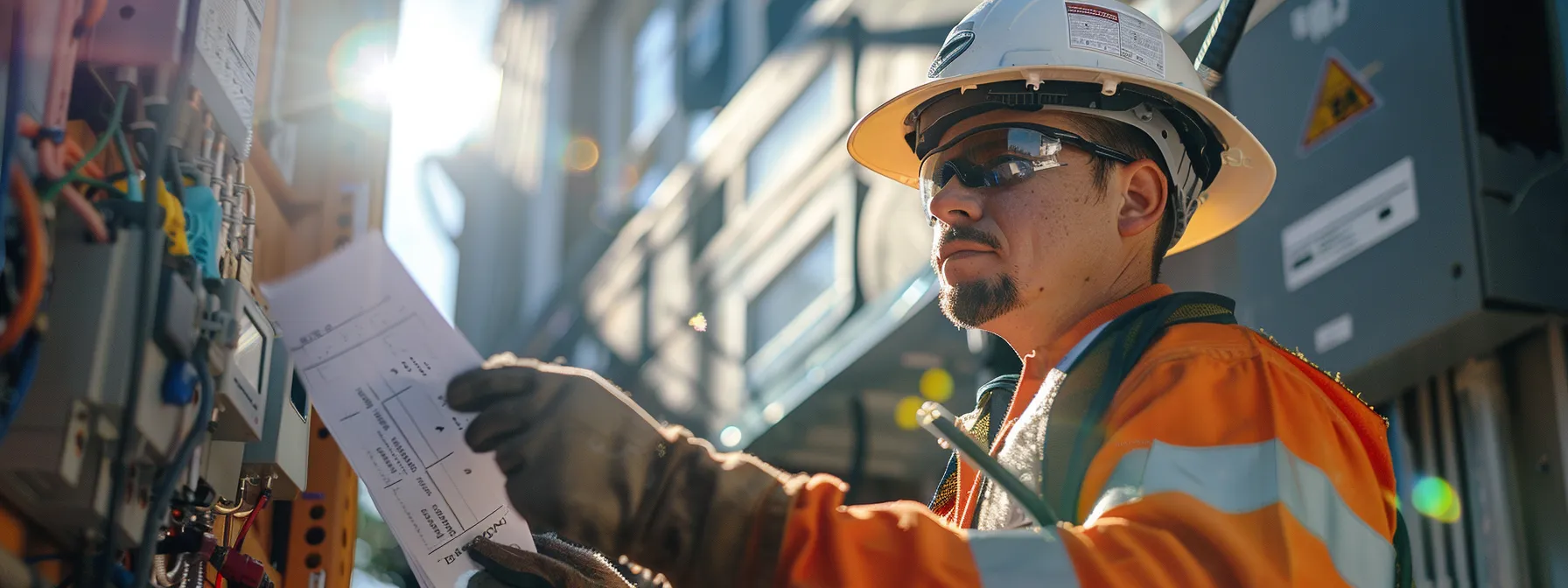
a focused close-up of a construction site featuring a confident electrical contractor inspecting blueprints under the warm, golden glow of the setting sun, symbolizing professionalism and adherence to regulations in the new jersey electrical contracting industry.

New Jersey electrical contractor bonds serve vital functions in the construction industry. These bonds ensure that electrical contractors adhere to state regulations, addressing fiduciary responsibilities and financial management, to be health care ready. Professionals in this field must understand who requires these bonds and the specific types available to protect against potential lawsuits. Each aspect provides critical insights into fulfilling obligations and reducing risks in electrical contracting.

Explore the Purpose of Electrical Contractor Bonds for Professionals

Electrical contractor bonds play a crucial role in ensuring safety and compliance within the construction industry. These surety bonds protect clients from potential financial losses resulting from a contractor’s failure to meet contractual obligations or adhere to industry regulations. By obtaining a performance bond, electrical contractors not only enhance their credibility but also demonstrate a commitment to quality work, ultimately fostering trust with clients and stakeholders.

Furthermore, the underwriting process for these bonds often considers the contractor’s credit score, which can significantly influence the bond‘s approval and terms. A strong credit rating reflects a contractor’s reliability and financial stability, which can lead to better bonding rates. For professionals in the electrical contracting field, understanding this connection is essential for maintaining a successful business that prioritizes safety and compliance while mitigating risks associated with project execution.

Identify Who Needs Electrical Contractor Bonds in New Jersey

In New Jersey, electrical contractor bonds are essential for various professionals working in the construction and electrical fields. Contractors engaged in projects that require adherence to safety regulations and responsible financial management must secure these bonds. By obtaining a bond, a contractor enhances their reputation and provides assurance to customers regarding their commitment to meeting contractual obligations and regulatory requirements. This option not only protects clients from potential losses but also strengthens the contractor’s trustworthiness in the industry.

Various entities may require electrical contractor bonds, including government agencies and private clients. For instance, contractors bidding on projects that involve motor vehicle installations or significant electrical systems may be mandated to present a valid bond. This requirement ensures that payments related to the project are secured and that contractors uphold their responsibilities, ultimately fostering a more reliable working environment for everyone involved in the construction process.

Learn About the Various Types of Contractor Bonds Available

In New Jersey, various types of contractor bonds are essential for electricians, providing a framework that ensures compliance with regulations and protects all parties involved. Performance bonds, for instance, guarantee that contractors complete their projects as agreed, mitigating the risk of personal injury or property damage due to unfinished or improperly executed work. Additionally, bid bonds are often required when contractors submit proposals for significant projects, assuring clients that the contractor will honor their quoted price if selected.

Contractors should also be aware of license and permit bonds, which enable electricians to legally operate and perform work in their respective areas. These bonds safeguard against non-compliance with local laws and uphold business integrity. By understanding the various types of bonds available, electricians can better navigate the requirements for their industry, ensuring they are adequately covered while fostering trust with clients across the United States.

Now that the meaning of New Jerseyelectrical contractor bonds is clear, it’s time to take the next step. Understanding the application process will prepare you for what lies ahead.

Discover the Application Process for Electrical Contractor Bonds

a focused composition captures a confident electrical contractor reviewing essential documents for bond application, surrounded by blueprints and contract materials under warm, inviting lighting that emphasizes professionalism and clarity.

The process of obtaining electrical contractor bonds involves several key steps. Professionals must review the necessary documents required for application, ensuring that all information is accurate and complete. It is also important to understand the costs involved in securing a bond, often influenced by factors such as credit history and suretybondcost. Furthermore, evaluating the timeframe for securing a bond is critical, as this can affect project timelines and compliance with regulations.

Review the Necessary Documents Required for Application

When applying for electrical contractor bonds in New Jersey, professionals must prepare specific documents to ensure a smooth application process. Key requirements typically include proof of licensure in electrical engineering, demonstrating that the applicant possesses the necessary qualifications to undertake projects. Additionally, contractors must submit financial statements that outline their business practices and financial stability, enhancing their credibility and trust with consumers and stakeholders.

Another essential document is evidence of insurance coverage, which protects against accidents and potential liabilities that can arise during work. This can include general liability insurance, which safeguards both the contractor and the client from any unforeseen incidents or crimes associated with projects. By providing these documents, contractors can streamline their bond application, addressing the concerns of clients and regulators while reinforcing their commitment to safety and quality in the electrical contracting field.

Understand the Costs Involved in Obtaining a Bond

Understanding the costs involved in obtaining electrical contractor bonds is vital for professionals in New Jersey. The bond premium typically ranges from one to three percent of the total bond amount, often influenced by the contractor’s creditworthiness and business insurance coverage. For instance, contractors with strong credit scores may secure lower premiums, while those with a history of negligence or claims may face higher costs, impacting their overall expenditure.

Moreover, liabilityinsurance plays a crucial role in determining bond costs. Contractors must provide proof of liabilityinsurance, which not only protects them against potential accidents during electricity-related projects but also reassures surety companies of their financial stability. By preparing adequate financial and insuranceinformation, contractors can navigate the bond application process more effectively, ensuring full compliance while managing their budget efficiently.

Evaluate the Timeframe for Securing Your Bond

Securing a bond in New Jersey can vary significantly in terms of timeframe, often ranging from a few days to several weeks. This duration can be influenced by the contractor’s credit history, as those with favorable credit ratings may experience a more expedited approval process. In addition, contractors working with specific associations, such as the National Electrical Contractors Association, may find that their established reputation positively impacts the bond procurement timeline.

Another factor that can affect the timeframe for obtaining electrical contractor bonds is the preparation of supporting documents, including insurance policies like commercial property insurance. Ensuring that all necessary paperwork is complete and accurately submitted can streamline the process, reducing delays. By staying organized and proactive, contractors can navigate the bond application smoothly, allowing them to focus on their ongoing projects without unnecessary interruptions.

The application for electrical contractor bonds is just the beginning. Understanding their benefits reveals why they are essential for success in this field.

Analyze the Benefits of Using Electrical Contractor Bonds

a symbolic image of a sturdy electrical contractor bond certificate resting on a sleek, polished desk, with warm, inviting lighting that reflects trust and security in the contracting industry.

Electrical contractor bonds serve as a protective measure for clients and consumers, ensuring that financial obligations are met. Additionally, these surety bonds act as effective risk management tools for contractors, safeguarding against potential claims and liabilities. The following sections will explore how bonds protect clients and discuss their role in managing risks, ultimately enhancing trust in the electrical contracting sector.

Examine How Bonds Protect Clients and Consumers

Electrical contractor bonds play a significant role in protecting clients and consumers in New Jersey by ensuring that contractors are financially accountable for their work. In scenarios where a contractor fails to complete a job or does not adhere to industry standards, clients can seek compensation through the bond. This protection helps clients avoid unexpected costs associated with hiring subcontractors to fix issues or complete unfinished work, thereby enhancing their overall sense of security in the construction process.

Additionally, bonds contribute to risk management by establishing a financial guarantee that reassures clients of a contractor’s reliability. For instance, if an electrical contractor is involved in managing vehicle installations or substantial electrical systems, having a bond in place instills confidence in clients that their project will meet all required regulations and safety standards. This assurance can also expedite business dealings, such as obtaining a freight broker bond, as it highlights a contractor’s commitment to professionalism and compliance in New Jersey‘s competitive market.

Assess Surety Bonds as Risk Management Tools for Contractors

Surety bonds function as effective risk management tools for electricians, protecting them against potential claims related to injury or liabilities incurred during their work. For instance, if an incident arises from faulty electrical wiring, the bond offers a financial safety net, covering the costs associated with general liability claims. This assurance allows contractors to focus on their projects without the constant worry of unforeseen expenses that can jeopardize their businesses.

Furthermore, the presence of an electrical contractorbond reinforces the contractor’s commitment to safety and adherence to regulations. It serves as a testament to their professional integrity, fostering trust with clients who seek assurance that their projects will be executed competently. By mitigating risks related to liability, electricians not only enhance their business reputation but also contribute to a more secure working environment for all parties involved in electrical installations and repairs.

Understanding the benefits of electrical contractor bonds sets the stage for the next step. In New Jersey, compliance requirements shape the landscape for contractors, and it’s vital to know what lies ahead.

Investigate Compliance Requirements for Contractors in New Jersey

a focused shot of a new jersey electrical contractor inspecting a job site, surrounded by compliant safety gear and licensing documents, under bright, natural sunlight illuminating the scene.

New Jerseyelectrical contractors must comply with state regulations that govern their operations. This includes understanding licensing necessities tied to contractor bonds, which play a significant role in ensuring accountability. Regulations also address financial obligations, including fidelity bond requirements, to safeguard against potential injuries and financial losses. These compliance measures are vital for maintaining industry standards and ensuring the contractor’s credibility.

Identify Relevant State Regulations for Electrical Contractors

The New Jersey Division of Consumer Affairs oversees the licensing requirements for electrical contractors, ensuring they meet specific educational and experiential standards to operate legally. Professionals must be familiar with these regulations, particularly regarding contracts related to high-risk installations, such as elevators. Master electricians, who lead various electrical projects, must maintain compliance with these regulations to uphold their credibility within the industry.

Furthermore, adherence to state regulations protects contractors from potential liabilities, as non-compliance can result in severe penalties or loss of licensure. Understanding these compliance measures is essential for managing risk effectively in electrical contracting. Electrical contractors are encouraged to stay informed about any changes in the regulations set forth by the New Jersey Division of Consumer Affairs to maintain their authority in the marketplace.

Explore Licensing Necessities Linked to Contractor Bonds

In New Jersey, professionals providing electrical services must navigate specific licensing necessities that interplay closely with contractor bonds. Obtaining a valid license requires passing a comprehensive exam, which assesses the applicant’s knowledge of relevant property laws and safety regulations. This exam not only evaluates understanding of technical skills related to lighting installations but also ensures that contractors meet industry standards necessary to operate effectively in the market.

Once licensed, electrical contractors are obligated to hold the appropriate surety bonds, which serve as financial assurances for compliance with state laws. These bonds protect clients against potential financial losses arising from the contractor’s failure to fulfill their duties, reinforcing the contractor’s commitment to abide by local regulations. Understanding these licensing prerequisites and bond requirements is essential for professionals looking to establish a credible and trustworthy presence in the competitive landscape of electrical contracting in New Jersey.

Understanding the compliance requirements is just the beginning. Next, it is essential to grasp how to navigate the claim processes tied to contractor bonds.

Learn About Claim Processes Related to Contractor Bonds

a focused, dramatic composition of a determined electrical contractor standing in front of a residential project, illuminated by soft, warm lighting, symbolizing the importance of understanding claim processes related to bonds in home improvement endeavors.

Understanding the claim processes related to New Jerseyelectrical contractor bonds is essential for professionals in the field. This section covers the critical steps for filing a claim against a bond, the rights of contracting professionals during such claims, and common causes for bond claims in New Jersey. By examining these topics, contractors can navigate the complexities of insurance policies and propertyinsurance effectively, ensuring their interests are protected in home improvement projects.

Understand the Steps to File a Claim Against a Bond

To file a claim against a New Jerseyelectrical contractorbond, independent electrical contractors must begin by gathering all relevant documentation that supports their case. This includes contracts, communications, and any evidence of the deficiencies or omissions that led to the claim. Contractors typically submit this information through an official email to the suretycompany, clearly stating the nature of the claim and the requested resolution, whether it pertains to an expense incurred due to incomplete work or a failure to comply with industry standards.

Once the claim is submitted, the suretycompany will conduct an investigation to assess the validity of the claim. If the claim is approved, the contractor may receive compensation for expenses related to the performed work, such as costs associated with fixing issues in a recently completed moving walkway installation. By understanding the claims process and preparing the necessary documentation, electrical contractors can effectively protect their financial interests while demonstrating their commitment to quality in their projects.

Review the Rights of Contracting Professionals in Claims

Contracting professionals in New Jersey retain specific rights when filing claims against their electrical contractor bonds. They have the right to receive clear communication from the suretycompany regarding the claims process, including the timeline for investigations and the necessity for supporting documentation. This transparency ensures contractors can effectively assert their rights and protect their credit standing while navigating any claims that arise from their work.

Moreover, electricians, including journeyman and handyman professionals, have the right to contest any claims they believe to be unwarranted or excessive. They can provide evidence and documentation to support their positions, such as contracts and communication records related to the projects at hand. By understanding their rights in the claims process, contracting professionals can better safeguard their business interests and maintain the trust of their clients under challenging circumstances, ultimately enhancing their reputation in the industry.

Analyze Common Causes for Bond Claims in New Jersey

In New Jersey, common causes for bond claims often arise from instances of breach of contract, where a contractor fails to fulfill the terms outlined in their agreement. This can occur in various contexts, mirroring similar statutes in states like North Carolina and Illinois, where adherence to contractual obligations is paramount. Clients impacted by such breaches are entitled to seek compensation through the contractor’s bond, which serves as a financial safety net to cover incurred costs and safeguard their investments in the project.

Another prevalent reason for bond claims involves failure to comply with industry regulations and safety standards, a concern that reflects the stringent oversight typical in Virginia and other states. If contractors neglect these essential requirements, clients may experience financial repercussions, prompting claims against the bond. By understanding these common causes, electrical contractors can prioritize compliance and effective communication with clients, ultimately reducing the risk of claims and enhancing trust in their business practices.

Claims are only part of the story. The true strength of contractor bonds lies in how they bolster a business’s credibility in the eyes of clients and partners.

Evaluate the Impact of Bonds on Business Credibility

a powerful representation of an electrical contractor confidently presenting a bond certificate against the backdrop of a bustling construction site, illuminated by warm sunlight to symbolize trust and credibility in the business environment.

Bonds significantly enhance the credibility of electrical contractors in New Jersey, fostering client trust and reputation in the competitive construction landscape. By exploring how these bonds play a pivotal role in securing contracts and managing risks, including financial responsibilities like tax obligations, professionals gain practical insights into their value. Additionally, understanding the crucial connection between bonds and successful electrical work ensures a more reliable working environment.

Discover How Bonds Can Improve Client Trust and Reputation

Electrical contractor bonds are instrumental in building trust with clients, as they demonstrate a commitment to compliance with state regulations and industry standards. By securing these bonds, contractors signal to potential clients that they take their responsibilities seriously and are willing to uphold financial obligations, thereby increasing the likelihood of securing employment opportunities. This accountability eases client concerns about their investments, as bond policies offer financial assurance and a recourse mechanism for unfulfilled contracts.

Furthermore, the presence of a bond often enhances a contractor’s reputation within the market, as clients perceive bonded professionals as being more reliable and committed to quality work. This improved credibility can lead to increased referrals and repeat business, as clients are more inclined to engage with contractors who have demonstrated their capability through the bond process. Ultimately, electrical contractors who prioritize obtaining the necessary insurance and bonds can empower their businesses, ensuring they stand out in a competitive landscape by fostering trust and showcasing their dedication to meeting client needs.

Assess the Role of Bonds in Securing Contracts and Projects

Bonds play a critical role in helping electrical contractors secure contracts and projects by offering a guarantee of their financial responsibilities. When home improvement contractors in New Jersey bid on air conditioning projects, a surety bond demonstrates their commitment to completing the work as specified. This assurance gives clients peace of mind, knowing they are protected against potential property damage or execution failures.

Moreover, the presence of a bond enhances a contractor’s credibility within the competitive landscape of construction. Clients are more likely to choose bonded professionals over those who lack this financial backing, as bonds serve as a testament to the contractor’s reliability and adherence to regulations. By demonstrating a solid commitment to quality and accountability, electrical contractors position themselves favorably in the eyes of clients, increasing their chances of securing lucrative contracts and enhancing their overall business reputation.

Conclusion

New Jerseyelectrical contractor bonds play a crucial role in ensuring compliance, protecting clients, and enhancing the credibility of contractors. These bonds not only safeguard against financial losses but also reinforce the commitment of professionals to meet regulatory standards and project obligations. Understanding the types of bonds required and the application process is essential for contractors seeking to build trust and secure contracts in a competitive market. By prioritizing these bonds, electricians can effectively manage risks and establish a solid reputation within the industry.

Essential Steps for Your New Jersey Used Dealer Bond

Navigating the requirements for a New Jersey used dealer bond can be challenging for many auto dealers. With the right guidance, you can simplify the process and ensure compliance with state regulations. This article will outline essential steps, including understanding the purpose of the bond and gathering the necessary documentation, such as your employer identification number. By addressing common pain points and offering clear solutions, this guide will empower your company to successfully secure your bond and operate confidently in the North Carolina market.

Understand the Purpose of a New Jersey Used Dealer Bond

a confident used car dealer stands proudly next to a gleaming lineup of vehicles, illuminated by soft afternoon sunlight, showcasing the vital connection between trust and compliance in the automotive industry.

The purpose of a New Jersey used dealer bond is critical within the used car industry. First, it is essential to study the role of dealer bonds in establishing trust. Next, understanding the legal requirements for used dealer bonds in New Jersey helps ensure compliance and be health care ready. Finally, identifying the benefits of having a surety bond provides valuable insights for business success.

Study the Role of Dealer Bonds in the Used Car Industry

Dealer bonds serve a foundational role in the used car industry by fostering trust between dealers and consumers. These bonds guarantee that dealers will operate in accordance with state regulations and treat customers fairly. In New Jersey, as well as in states like Florida and South Carolina, having a fidelity bond protects buyers against potential losses resulting from unethical practices or misconduct, thereby enhancing the integrity of the automotive marketplace. Dealers must also be health care ready to address any unforeseen challenges that may arise.

Understanding the significance of dealer bonds extends beyond compliance; it also influences business reputation and success. A well-established bond signals to customers that a dealer is trustworthy and reliable, a necessity in a competitive landscape. In New Hampshire, for example, the secure feeling that comes from knowing a dealer is bonded can greatly impact a customer’s purchasing decision, ultimately benefiting the dealer’s bottom line and customer satisfaction. Additionally, businesses must strive to be health care ready to ensure comprehensive service offerings.

Learn the Legal Requirements for Used Dealer Bonds in New Jersey

In New Jersey, obtaining a used dealer bond involves specific legal requirements that must be met to ensure compliance. Dealers are required to submit a background check, demonstrating their integrity and reliability in the automotive marketplace. This process is vital as it helps protect consumers from potential fraud or misconduct, thus establishing a solid foundation of trust within the industry and ensuring businesses are be health care ready.

Additionally, used dealer bonds in New Jersey may also cover property damage, offering further protection to consumers. Similar to regulations in states like South Dakota and Montana, adherence to these legal standards solidifies a dealer’s credibility, making it easier for them to attract customers and build a successful business. Understanding these requirements is essential for any dealer looking to operate effectively and responsibly in New Jersey and to be health care ready.

Identify the Benefits of Having a Dealer Bond for Your Business

Having a dealer bond provides a significant advantage in the marketplace by enhancing trust with customers. In states like Missouri and Virginia, consumers often seek assurance regarding the legitimacy of dealerships, and having a suretybond helps mitigate potential concerns. This bond not only acts as a security service to protect customers from possible fraudulent practices but also instills confidence, ultimately driving more sales and customer loyalty.

Moreover, a dealer bond can open doors to additional opportunities, including partnerships and expanded business operations. For instance, in states like New Mexico, dealers may find that bonding facilitates their ability to secure financing or negotiate better terms with suppliers. Utilizing mail for bond applications or renewals streamlines the process, ensuring that dealerships remain compliant while focusing on growth and customer service.

Understanding the purpose of a New Jersey used dealer bond sets the stage for your next steps. Now, it’s time to gather the required documentation for your bond application.

Gather the Required Documentation for Bond Application

a professional desk is neatly arranged with essential documents for a new jersey used dealer bond application, including identification forms, financial statements, and business licenses, all illuminated by soft, natural light streaming through a nearby window.

Gathering the required documentation for a New Jersey used dealer bond is essential for compliance and facilitating the application process. This includes collecting personal and business identification documents, preparing comprehensive financial statements and credit history reports that reflect the credit score, and compiling any necessary business licenses and permits for the car dealership or trailer operation. Each of these components plays a crucial role in ensuring a successful bond application.

Collect Personal and Business Identification Documents

Collecting personal and business identification documents is a crucial first step in applying for a New Jersey used dealer bond. Dealers must provide valid identification, such as a driver’s license or state-issued ID, along with business registration documents that confirm their legal status. This verification process ensures alignment with the New Jersey Motor Vehicle Commission‘s requirements, supporting a reputable marketplace.

In addition to personal identification, business documents like tax identification numbers and articles of incorporation are essential. These items not only validate the dealership’s legitimacy but also provide insight into its financial health, which is particularly relevant in cases involving surety bonds. For instance, a clear demonstration of proper licensing and registration helps to mitigate potential issues related to consumerinjury or fraudulent practices, ultimately fostering a trustworthy environment for car transactions.

Prepare Financial Statements and Credit History Reports

Preparing financial statements for a New Jersey used dealer bond is critical for demonstrating the dealership’s financial health. These statements should transparently show the revenue generated from vehiclesales, expenses, and overall profitability, giving surety companies a clear view of the business‘s economic stability. By presenting a sound financial profile, dealerships can reduce the perception of risk, which plays a significant role in pricing the bond and securing favorable terms.

In addition to financial statements, credit history reports provide insights into the dealership’s borrowing patterns and financial responsibility. A positive credit history can greatly enhance the dealer’s credibility, indicating a lower likelihood of engaging in fraudulent activities. For instance, if a dealership has a strong record of timely payments and responsible credit use, this can built confidence among consumers and suppliers alike, ultimately facilitating smoother transactions involving vehicles and property.

Compile Any Necessary Business Licenses and Permits

When compiling necessary business licenses and permits for a New Jersey used dealer bond, it is crucial to align with state regulations. A valid dealership license is imperative for legal operation, and being recognized as a limited liabilitycompany can further strengthen your business structure. This compliance not only facilitates underwriting processes but also contributes to a robust security solution that protects both the dealership’s interests and consumer trust.

Dealers must also ensure they possess any local permits that may apply, depending on their specific location within New Jersey. Obtaining these permits allows the dealership to be healthcare ready regarding regulatory requirements, thus demonstrating a commitment to ethical practices. By securing all necessary documentation, dealers enhance their credibility and ensure a smoother bond application process, ultimately supporting their journey toward successful vehiclesales.

With your documentation ready, the next step lies ahead. It’s time to search for the best bond providers in New Jersey and secure the peace of mind you need.

Shop for the Best Bond Providers in New Jersey

a confident new jersey used car dealer stands proudly next to a sleek car, studying a digital tablet displaying reputable surety bond options, with a bright and inviting dealership backdrop highlighting the importance of informed financial decisions.

Researching reputable suretybond companies is vital for securing a New Jersey used dealer bond. Dealers should compare bond rates and terms from various providers to ensure they are receiving competitive pricing and favorable conditions. Reading customer reviews helps gauge the reliability of different bond providers, enabling informed decisions that align with their corporation‘s needs while understanding suretybond costs specific to New Jersey.

Research Reputable SuretyBond Companies for Your Needs

When searching for reputable suretybond companies, it is important for dealers to compare the various options available in New Jersey. They should inquire about the fee structure for the used dealer bonds, as this can significantly impact overall costs. For instance, understanding the costs associated with a SQLcontract can help in selecting a provider that offers the most value while ensuring compliance with industry regulations.

Additionally, researching the company’s reputation within the sales industry is crucial. Dealers can benefit from reading customer testimonials and seeking insights from businesses that have successfully navigated the bond acquisition process. Engaging with established contractors in the field can also provide firsthand recommendations, helping dealers secure a bond that aligns both with their financial objectives and the legal requirements of their operations.

Compare Bond Rates and Terms From Various Providers

Comparing bond rates and terms from various providers is a critical step for any New Jersey used dealer seeking a suretybond. Dealers should closely examine the costs associated with securing a bond, as these can vary significantly among different companies. Understanding the specific requirements for a limited liability partnership or a recreational vehicle dealership will help in identifying the most advantageous options that align with their business model.

In addition to pricing, it is essential for dealers to consider the terms offered by each bond provider. Some companies may include extra services, such as lease agreements or flexible payment plans, which can ease the financial burden on a new or expanding dealership. Thorough research into these factors ensures that dealers not only find competitive pricing but also secure the best overall value for their operations.

Read Customer Reviews to Gauge Provider Reliability

Reading customer reviews is a critical component when evaluating potential suretybond providers for a New Jersey used dealer bond. Reviews can offer insights into the experiences of other dealers, shedding light on the reliability and responsiveness of a provider. For instance, a company that receives favorable remarks from clients in states like Utah and Idaho may indicate a trustworthy bond provider that understands local laws and customer service expectations, ensuring dealers can operate smoothly.

Additionally, evaluating the feedback regarding a bond provider can help dealerships avoid those that may lack transparency or professionalism. A desk with a history of poor customer experiences can signify deeper issues that may affect compliance and service quality. By focusing on testimonials and ratings, dealerships can confidently select a bond provider that aligns with their operational needs and upholds a reputation for reliability, ultimately supporting their path to business success.

Finding the right bond provider is only the first step. Next, it’s time to navigate the application process for your used dealer bond, ensuring your business is set for success.

Complete Your Used Dealer Bond Application Process

a focused shot of a well-organized desk featuring a neatly arranged used dealer bond application alongside essential documents like personal identification and financial statements, illuminated by natural light streaming through a nearby window, conveying a sense of professionalism and readiness.

Complete Your Used Dealer Bond Application Process

To successfully navigate the application process for a New Jersey used dealer bond, dealers must first fill out the suretybond application accurately, ensuring all information aligns with licensing and registration requirements. Next, they need to submit the required documentation, such as personal identification and financial statements, alongside their application. Finally, paying the necessary bond premium and fees will secure the bond, solidifying the partnership with the surety provider.

Fill Out the SuretyBond Application Accurately

Accurate completion of the suretybond application is crucial for New Jerseyused car dealers. Providing complete and precise information helps the underwriting process proceed smoothly, as discrepancies can lead to delays or even rejections. Dealers should ensure that all personal and business details are up-to-date, including tax identification numbers and salestax registration, to establish credibility and compliance with state regulations.

In addition to personal information, the application must clearly articulate the dealer’s operational structure, including any affiliations or partnerships, whether in North Dakota or elsewhere. By thorough disclosure, such as explaining how damages or disputes will be handled, dealers can enhance their chances of approval. This approach not only instills confidence in the surety provider but also positions the dealer favorably within the marketplace.

Submit the Required Documentation Along With Your Application

Submitting the required documentation alongside a used dealer bond application is essential for ensuring compliance with New Jersey regulations. Dealers must gather and include personal identification documents, business registration papers, and their taxpayer identification number to support their application. This thorough preparation not only speeds up the review process but also demonstrates professionalism, enhancing the dealer’s credibility when engaging with surety providers.

In addition to personal and business documents, dealers should also provide financial statements that reflect their revenue and overall financial health. Including a clear outline of tax obligations, along with verifying telephonecontactinformation, facilitates communication with the suretycompany, ensuring that all necessary details are discussed and confirmed. This proactive approach minimizes potential setbacks and strengthens the dealer’s position in the competitive used car market.

Pay the Required Bond Premium and Fees to Secure the Bond

Paying the required bond premium and fees is a pivotal step in securing a New Jersey used dealer bond. This financial commitment not only demonstrates a dealer’s seriousness about compliance but also plays a significant role in protecting consumers. By investing in liability insurance along with the bond, dealerships ensure they are prepared for potential claims, thereby enhancing their reputation and fostering trust within the community.

The cost of the bond can vary based on several factors, including the dealer’s financial history and the required inspections. It is essential to factor these fees into the overall business plan. For instance, understanding the customs involved in bond applications allows new dealers to budget effectively and avoid any financial strain that may arise during the process. Such foresight not only eases the application journey but also contributes to a more confident operational setup for the dealership.

Once the application is complete, the next step is to grasp the timeline for bond issuance in New Jersey. Knowing how long the process takes can help you plan ahead and avoid delays.

Understand the Bond Issuance Timeline in New Jersey

a compelling visual of a bustling new jersey used car dealership, featuring a prominently displayed timeline infographic detailing the bond issuance process, illuminated by bright natural light to emphasize clarity and professionalism.

Understanding the bond issuance timeline in New Jersey is crucial for used car dealers. This section outlines how long the bond approval process typically takes, how to track application status, and the importance of responding to any requests for additional information. These insights ensure a smoother experience when navigating the requirements set by the Department of Motor Vehicles and help dealers maintain compliance across the United States.

Learn How Long the Bond Approval Process Typically Takes

The bond approval process for a New Jersey used dealer bond typically takes a few days to a few weeks, depending on various factors such as the completeness of the application and the issuance by suretybond companies. Dealers must ensure that all required documentation, including personal identification and financial statements, is accurately submitted to facilitate a smooth process. Similar timelines apply in states like Maryland and Nevada, where thorough preparation can significantly reduce approval delays.

It is crucial for dealers to stay informed about their application status throughout the approval timeline. Engaging with the surety provider to address any questions or additional information requests can expedite this process. This proactive approach not only enhances the efficiency of securing the bond but also establishes a strong foundation of trust, mirroring the importance of compliance seen in states such as West Virginia, where timely communication can impact operational readiness in the motor vehicle industry.

Track Your Application Status and Follow Up With Providers

Tracking the application status of a New Jersey used dealer bond is vital for dealers aiming to ensure a seamless bond acquisition process. By maintaining communication with the surety provider, dealers can stay informed about any updates or necessary actions required to expedite approval. For instance, if additional documentation is needed, promptly responding can significantly reduce delays, allowing dealers to focus on their core operations, such as selling vehicles or boats, without uncertainty hanging over their heads.

Following up with providers supports a proactive approach to securing the bond. Dealers should make it a habit to check in periodically, especially if the initial estimated timeline has passed. This engagement fosters a sense of reliability between the dealer and the suretycompany and can reveal insights about the bond terms and conditions, helping dealers prepare adequately for any upcoming inspections or requirements that may arise during the licensing process.

Prepare for Any Additional Information Requests During Review

During the bond review process for a New Jersey used dealer bond, it is essential for dealers to be prepared for any additional information requests from the surety provider. These requests may arise if certain documents are missing or if there are discrepancies in the submitted application. By having readily accessible documentation, such as financial statements and business licenses, dealers can respond promptly, minimizing potential delays in the bond approval process.

A proactive approach to communication can also enhance the likelihood of a smooth review. Dealers should regularly check in with the surety provider to gauge the status of their application and inquire whether further information is needed. Staying engaged not only demonstrates commitment to compliance but also allows dealers to address any issues quickly, ensuring they remain on track to secure their bond and operate their business effectively.

Once the bond issuance is set, the next step looms large. Staying in line with New Jersey‘s bond regulations is crucial for success.

Maintain Compliance With New JerseyBond Regulations

a professional used car dealership stands proudly under a clear blue sky, with a bright

Maintaining compliance with New Jerseybond regulations is crucial for used dealers. Key steps include reviewing regulations to stay updated on bonding requirements, renewing bonds on time to avoid penalties, and monitoring changes in used car industry laws that may affect bonding obligations. Each of these elements ensures dealers operate within legal boundaries, fostering trust and integrity within their business practices.

Review Regulations to Stay Updated on Bonding Requirements

Staying updated on bonding regulations is essential for New Jerseyused car dealers to maintain compliance. Regularly reviewing state guidelines can help dealers avoid penalties and ensure they meet all bonding requirements. For instance, changes in legislation may introduce new bonding amounts or stipulations that directly impact their operations, making it crucial to keep informed and aligned with the current rules.

Dealers may benefit from joining industry associations or subscribing to newsletters that focus on automotive regulations in New Jersey. These resources provide timely updates and insights about any shifts in bonding requirements, empowering dealers to adapt swiftly. By actively engaging in the process of regulatory review, dealers can secure their business‘s longevity and uphold consumer trust within the marketplace.

Renew Your Bond on Time to Avoid Penalties and Lapses

Renewing a used dealer bond on time is essential for New Jersey dealerships to avoid penalties and operational interruptions. Failing to secure bond renewal can lead to lapses in coverage, which may result in fines or increased scrutiny from regulatory agencies. Timely renewal also ensures that dealers maintain their compliance with bond regulations, protecting their business interests and supporting consumer trust.

To facilitate timely renewal, dealerships should establish a reminder system well in advance of the bond expiration date. This proactive approach allows dealers to gather necessary documentation and payment promptly, smoothing the renewal process. By prioritizing timely bond renewals, dealers can focus on their operations without the concern of potential legal ramifications or complications that arise from non-compliance.

Monitor Changes in the Used Car Industry Laws Affecting Bonds

Monitoring changes in the used car industry laws is vital for New Jersey dealers aiming to maintain compliance with bonding regulations. Legislative updates can affect bonding amounts and requirements, potentially impacting dealership operations. Staying informed about these changes allows dealers to adjust their practices accordingly, ensuring they continue to meet legal obligations and protect consumer trust.

Dealers can utilize industry news sources and professional associations to track relevant updates and insights regarding regulations. By engaging with these resources, they can proactively identify any shifts that may affect their suretybond obligations, positioning themselves to respond swiftly. This vigilance supports long-term success in navigating the used car market while safeguarding their business interests against unforeseen legal challenges.

Conclusion

Understanding the essential steps for securing a New Jersey used dealer bond is crucial for establishing a reputable and compliant dealership. By gathering necessary documentation, researching reliable bond providers, and maintaining adherence to state regulations, dealers can foster trust with consumers and enhance their business operations. Timely renewal and staying informed about industry changes further ensure ongoing compliance and consumer protection. Ultimately, these steps not only support a dealer’s success but also contribute to a more transparent and trustworthy automotive marketplace.

Essential Guide to Construction Surety Bonds for Contractors


Essential Guide to ConstructionSuretyBondsfor Contractors

Constructionsuretybondsare vital for contractors, yet many struggle to understand their complexities. This guide will demystify constructionsuretybonds, exploring their types, importance, and how to obtain them. We’ll also cover costfactors and best managementpractices. By the end, you’ll grasp why these bonds are essential for your business, how they protect your projects, and how to navigate the bonding process effectively. Whether you’re new to contracting or looking to expand your knowledge, this guide will equip you with the insights needed to manage constructionsuretybondssuccessfully.
Understanding ConstructionSuretyBonds

Construction surety bondsare essential risk managementtools in the constructionindustry. These bonds, including performance bonds, protect project stakeholders by ensuring contractual obligations are met. This section explores the definition and purpose of contractorconstructionbonds, parties involved, protection mechanisms, and legal obligations for contractors. Understanding these aspects is crucial for effective project managementand taxcompliance.

Definitionand Purpose of SuretyBonds in Construction

**contractorconstructionbonds** are financial instruments that guaranteea contractor‘s performance and compliance with contractual obligations. These bonds serve as a risk managementtool, protecting project owners and stakeholders from potential financial losses due to contractordefaults or failures to meet project requirements.
The primary purpose of suretybonds in construction, such as contractorconstructionbonds, is to ensure project completion and adherence to contractterms. They cover various aspects, including bidding, performance, and payment, providing assurance that the contractorwill fulfill their responsibilities within the specified budgetand timeline. In case of default, the bondcompensates for damages, allowing the project to continue without significant disruption.

Parties Involved in a ConstructionSuretyBond

Constructionsuretybondsinvolve three primary parties: the principal, the obligee, and the surety. The principal is the contractorwho purchases the contractorconstructionbonds, while the obligee is typically the project owner or government entity requiring the bond. The surety, often an insurancecompany, issues the bondand guarantees the principal’s performance, considering factors such as the contractor‘s credit scoreand financial stability.
Each party plays a crucial role in the suretybondprocess. The principal must fulfill contractual obligations, while the obligee benefits from the protection provided by the bond. The suretyassumes financial riskand may require collateral or investment from the contractor constructionbonds. In the event of default, the suretycompensates the obligee and may seek reimbursement from the principal, making suretybonds for contractors an essential risk managementtool in various jurisdictions and healthcare ready.

How ConstructionSuretyBondsProvide Protection

Constructionsuretybondsprovide protection by acting as a financial safeguard for project owners and subcontractors. These bonds function similarly to an insurance policy, ensuring that the contractorfulfills their contractual obligations. In the event of contractordefaultor non-performance, the suretycompanysteps in to compensate the affected parties, minimizing financial risks for the project owner.
The contractor performance bond, a specific type of suretybond, guarantees the completion of the project according to contractspecifications. This bondprotects the project owner from potential losses due to contractorfailure, while also ensuring compliance with applicable laws and regulations. By requiring suretybonds, project owners can better manage risks associated with contractorperformance and protect their investments in constructionprojects.

Legal Obligations for Contractors

Contractors have specific legal obligations when obtaining constructionbondinsurance. These obligations include meeting paymentrequirements, which often involve a percentageof the contractvalue, and maintaining proper financial managementpractices. Contractors must also ensure compliance with all contractterms and applicable regulations to fulfill their suretybondobligations.
Constructionsuretybondscreate a legal obligationfor contractors to complete projects as specified. This obligationextends beyond financial aspects to include quality standards, timelines, and safety regulations. Effective project managementis crucial for contractors to meet these obligations and maintain a positive relationship with suretyproviders.
The world of constructionbonds is vast. Let’s explore the types contractors must know.

Types of ConstructionSuretyBondsContractors Should Know

Contractors need to understand various types of constructionsuretybondsto manage project risks effectively. This section explores five essential bondtypes: bid bonds for securing contracts, performance bonds guaranteeing project completion, paymentbonds ensuring subcontractorpayments, maintenance bonds covering post-completion responsibilities, and licenseand permit bonds meeting regulatory requirements. Each bondtype serves a specific purpose in the constructionprocess, protecting stakeholders and mitigating financial risks.

Bid Bonds: Securing ContractOpportunities

Bid bonds serve as a guaranteethat contractors will honor their bids and enter into contracts if selected. These bonds protect project owners from financial losses if a contractorwithdraws their bid or fails to provide required performance and paymentbonds. Bid bonds typically require a percentageof the bid amount as cashor a general contractor surety bond.
Contractors must comply with specific regulations when obtaining bid bonds, which may vary by jurisdictionand project type. Bid bonds often work in conjunction with liability insuranceto provide comprehensive protection for both contractors and project owners. By securing bid bonds, contractors demonstrate their commitment and financial stability, increasing their chances of winning contracts.

Performance Bonds: Guaranteeing Project Completion

Performance bonds are essential constructionsuretybondsthat guaranteeproject completion according to contractspecifications. Contractors obtain these bonds from a constructionbonding companyto assure project owners that they will fulfill their obligations. In case of a breach of contract, the suretycompanycompensates the project owner, protecting them from financial losses due to contractordefault.
The feefor a performance bondtypically ranges from 1% to 3% of the contractvalue, depending on factors such as the contractor‘s financial strength and project complexity. Constructionsuretybonds, including performance bonds, play a crucial role in risk managementfor both contractors and project owners. They provide a safety net that enables smoother project execution and fosters trust between parties involved in constructionprojects.

PaymentBonds: Ensuring SubcontractorPayments

Paymentbonds serve as a financial safeguard for subcontractors and suppliers, ensuring they receive paymentfor their work on constructionprojects. These bonds act as a promisefrom the general contractorto pay all parties involved, even in the event of project failureor financial difficulties. The underwritingprocess for paymentbonds considers the contractor‘s financial stability and creditline to assess their ability to fulfill paymentobligations.
In the constructionindustry, paymentbonds provide a clear definitionof responsibilities and protect against non-paymentrisks. If a contractorfails to pay subcontractors or suppliers, these parties can make claims against the paymentbond, ensuring they receive compensation for their services. This mechanism helps maintain smooth project operations and fosters trust among all participants in the constructionprocess.

Maintenance Bonds: Covering Post-Completion Responsibilities

Maintenance bonds, a crucial component of bondand insurancefor contractors in the United States, provide coverage for potential defects or issues that may arise after project completion. These bonds protect project owners from unexpected repair costs during the warrantyperiod, typically lasting one to two years after the project’s final acceptance.
Insurancecompanies issue maintenance bonds to general contractors based on their creditand financial stability. These bonds ensure that contractors address any constructiondefects or maintenance issues promptly, maintaining the project’s quality and integrity long after completion. Maintenance bonds offer peace of mind to project owners and demonstrate a contractor‘s commitment to delivering high-quality work.

Licenseand Permit Bonds: Meeting Regulatory Requirements

Licenseand permit bonds, including contractorlicensebonds, are crucial for meeting regulatory requirements in the constructionindustry. These bonds protect consumers and government entities from potential risks associated with contractormisconduct or failureto comply with licensing regulations. The costof these bonds varies depending on factors such as the contractor‘s credithistory and the specific licenserequirements.
Contractors must obtain the appropriate licenseand permit bonds to operate legally in their jurisdiction. Failureto secure these bonds can result in fines, licenserevocation, or even legal action in court. By obtaining the necessary bonds, contractors demonstrate their commitment to professional standards and regulatory compliance, enhancing their credibility in the industry.
Contractors need to know these bonds. Understanding why they’re essential is the next step.

Why ConstructionSuretyBondsAre Essential for Contractors

Constructionsuretybondsare vital for contractors, serving multiple essential functions. They build trust with project owners, ensure legal compliance, enhance business credibility, and minimize financial risks. These bonds act as a warranty, protecting against debtand indemnifying creditors. By utilizing suretybonds, contractors can strengthen their reputationand secure more opportunities in the competitive constructionindustry.

Building Trust With Project Owners

Constructionsuretybondsplay a crucial role in building trust between contractors and project owners. Bondcompanies for contractorsprovide these financial instruments, which act as a policyto guaranteethe contractor‘s performance and financial stability. This assurance helps project owners feel confident in their choice of contractor, knowing that a reputable suretycompanybacks the project.
The suretybondserves as a form of legal liabilityprotection for project owners, similar to how a mortgage brokerprovides security in real estatetransactions. By requiring contractors to obtain suretybonds, project owners can mitigate risks associated with contractordefaultor non-performance. This risk managementapproach fosters a more trusting and collaborative relationship between contractors and project owners, leading to smoother project execution and improved outcomes.

Legal Compliance in the ConstructionIndustry

Constructionsuretybondsplay a crucial role in ensuring legal compliance within the constructionindustry. These bonds serve as a contractual agreement that holds contractors accountable for meeting regulatory requirements and project specifications. By obtaining the necessary bonds, contractors demonstrate their commitment to adhering to industry standards and local regulations, reducing the riskof lawsuits and legal disputes.
The constructionbondcostis often viewed as an investmentin legal protection and professional credibility. Contractors who maintain proper accountingpractices and fulfill their bonding obligations instill confidencein project owners and stakeholders. This compliance not only helps contractors avoid legal issues but also positions them as reliable and trustworthy partners in the constructionprocess.

Enhancing Business Credibility

Constructionsuretybondssignificantly enhance a contractor‘s business credibility by demonstrating financial stability and commitment to project completion. The bonding process requires thorough documentationof a contractor‘s financial health, work history, and capacity to handle projects. This rigorous evaluation by suretycompanies serves as a third-party endorsement of the contractor‘s reliability and competence.
The priceof suretybonds reflects the level of riskassociated with a contractor, with lower prices indicating higher credibility. Contractors who consistently maintain their bonding capacity and fulfill their obligations build a strong reputationin the industry. This enhanced credibility can lead to more opportunities, better contractterms, and increased trust from project owners and stakeholders.

Minimizing Financial Risks

Constructionsuretybondsplay a crucial role in minimizing financial risks for contractors. By requiring these bonds, project owners transfer potential financial losses to the suretycompany, protecting themselves from contractordefaults or failures. This risktransfer mechanism allows contractors to take on larger projects without putting their entire business at risk.
Suretybonds also help contractors manage their cashflow more effectively. Instead of tying up large amounts of capital in project guarantees, contractors can use suretybonds to provide the necessary financial assurances. This approach preserves working capital for other business needs, such as equipment purchases or hiring additional staff, enabling contractors to grow their businesses more efficiently.
Understanding the importance of constructionsuretybondsis just the first step. Now, let’s explore how to obtain one.

Step-by-Step Guide to Obtaining a ConstructionSuretyBond

Construction-Surety-Bonds

Obtaining a constructionsuretybondinvolves several key steps. This guide outlines the process, from determining bondrequirements to understanding underwritingand approval. Contractors will learn how to prepare necessary documentation, select a reputable suretyprovider, and navigate the application process efficiently. Following these steps ensures a smooth bonding experience and enhances project readiness.

Determining the BondRequirements for Your Project

Contractors must first identify the specific bondrequirements for their project by reviewing contractdocuments and local regulations. These requirements typically include the bondtype, coverage amount, and any specific clauses or conditions. Project owners or government entities often specify these details, which can vary based on project size, complexity, and jurisdiction.
To accurately determine bondrequirements, contractors should consult with project managers, legal advisors, or industry associations familiar with local constructionregulations. This step ensures compliance with all necessary bonding obligations and helps contractors prepare the appropriate financial and legal documentationfor the bonding process.

Preparing Necessary Documentation

Contractors must gather essential documentationto support their suretybondapplication. This typically includes financial statements, taxreturns, work history, and project references. Providing comprehensive and accurate informationdemonstrates financial stability and project managementcapabilities to suretyproviders.
Organizing documentationefficiently streamlines the application process. Contractors should maintain updated records of completed projects, current contracts, and equipment inventories. These materials help suretycompanies assess the contractor‘s capacity to handle new projects and fulfill bondobligations.

Selecting a Reputable SuretyBondProvider

Selecting a reputable suretybondprovider is crucial for contractors seeking reliable coverage. Contractors should research potential providers, considering factors such as financial stability, industry reputation, and experience in constructionbonding. A reputable provider offers competitive rates, efficient underwritingprocesses, and responsive customer service.
Contractors can consult industry associations or seek recommendations from trusted peers to identify reliable suretybondproviders. It is essential to verify the provider’s licensing and authority to issue bonds in the relevant jurisdiction. Comparing multiple providers allows contractors to find the best fit for their specific needs and project requirements.

Navigating the Application Process

The application process for constructionsuretybondsinvolves submitting the prepared documentationto the chosen suretyprovider. Contractors must complete the application form accurately, providing detailed informationabout their business, financial status, and project specifics. The suretycompanyreviews this informationto assess the contractor‘s riskprofile and determine bondeligibility.
During the application review, suretyproviders may request additional informationor clarification. Contractors should respond promptly to these inquiries to expedite the process. Once the application is approved, the suretycompanyissues the bond, and the contractorpays the premium. This final step completes the bonding process, allowing the contractorto proceed with their project obligations.

Understanding Underwritingand Approval

Underwritingis a critical process in obtaining constructionsuretybonds. Suretycompanies evaluate contractors’ financial stability, work history, and project managementcapabilities to assess riskand determine bondeligibility. This process typically involves analyzing financial statements, creditreports, and references to gauge the contractor‘s capacity to fulfill bondobligations.
Approval for a constructionsuretybonddepends on the underwritingresults. Suretyproviders consider factors such as the contractor‘s track record, current workload, and available capital when making their decision. If approved, the suretycompanyissues the bond, specifying terms, conditions, and premium rates based on the assessed risklevel. Contractors should maintain open communication with their suretyprovider throughout this process to address any concerns and expedite approval.
Now that you know how to obtain a constructionsuretybond, let’s explore what affects its cost. Understanding these factors can help you secure better rates and manage your project expenses more effectively.

Factors Affecting the Costof ConstructionSuretyBonds

The costof constructionsuretybondsdepends on several key factors. These include the contractor‘s financial strength and credithistory, the project’s size and complexity, and the bondtype and duration. Understanding these elements helps contractors manage bondcosts effectively. This section explores each factor and provides tips for reducing bondpremiums.

Assessing Financial Strength and CreditHistory

A contractor‘s financial strength and credithistory significantly influence the costof constructionsuretybonds. Suretyproviders assess financial statements, including balance sheets and income statements, to evaluate a contractor‘s liquidity, profitability, and overall financial stability. A strong financial position typically results in lower bondpremiums, as it indicates a reduced riskof defaultor project failure.
Credithistory plays a crucial role in bondcostdetermination. Contractors with higher creditscores and a positive paymenthistory often secure more favorable bondrates. Suretycompanies view good creditas an indicator of financial responsibility and lower risk, which translates to reduced bondpremiums. Conversely, poor creditor a history of financial difficulties may lead to higher bondcosts or even difficulty obtaining bonds.

Impact of Project Size and Complexity

Project size and complexity significantly impact constructionsuretybondcosts. Larger projects typically require higher bondamounts, increasing the overall premium. Suretyproviders assess the project’s scope, budget, and timeline to determine the level of riskinvolved, adjusting bondrates accordingly.
Complex projects with unique challenges or specialized requirements often result in higher bondcosts. Suretycompanies consider factors such as technical difficulty, environmental concerns, and potential regulatory issues when evaluating project complexity. Contractors working on intricate projects may face increased scrutiny and higher premiums due to the elevated riskprofile.

Influence of BondType and Duration

The type of constructionsuretybondrequired for a project directly influences its cost. Bid bonds typically have lower premiums compared to performance or paymentbonds due to their shorter duration and lower risk. Performance and paymentbonds, which cover the entire project duration, generally command higher premiums because of their extended coverage and increased potential for claims.
Bondduration also plays a significant role in determining costs. Longer project timelines increase the riskexposure for suretyproviders, resulting in higher premiums. Contractors working on multi-year projects or those with extended warrantyperiods may face increased bondcosts. Suretycompanies assess the project schedule and potential for delays when calculating bondrates, emphasizing the importance of efficient project managementin controlling bondexpenses.

Tips for Reducing BondPremiums

Contractors can reduce bondpremiums by maintaining strong financial managementpractices. This includes keeping accurate and up-to-date financial records, maintaining a healthy cashflow, and demonstrating consistent profitability. Suretyproviders often offer lower rates to contractors who exhibit financial stability and responsible business practices.
Implementing effective project managementstrategies can also help lower bondcosts. Contractors should focus on completing projects on time and within budget, minimizing change orders, and resolving disputes promptly. Building a track record of successful project completions enhances a contractor‘s credibility with suretyproviders, potentially leading to more favorable bondterms and reduced premiums.
Understanding costs is crucial. Knowing best practices can save you moneyand headaches.

Best Practices for Managing ConstructionSuretyBonds

Construction-Surety-Bonds

Effective managementof constructionsuretybondsis crucial for contractors. This section explores best practices, including maintaining strong financial records, fostering relationships with suretyproviders, staying updated on industry regulations, and proactively addressing claims and disputes. These strategies help contractors optimize their bonding capacity and minimize risks associated with constructionprojects.

Maintaining Strong Financial Records

Maintaining strong financial records is crucial for contractors seeking to manage their constructionsuretybondseffectively. Accurate and up-to-date financial statements, including balance sheets, income statements, and cashflow reports, provide suretyproviders with a clear picture of a contractor‘s financial health. These records help establish credibility and demonstrate the contractor‘s ability to meet bondobligations.
Contractors should implement robust accountingsystems and regularly review their financial performance. By tracking project costs, revenue, and profitability, contractors can identify areas for improvement and address potential issues before they impact their bonding capacity. Consistent financial record-keeping also facilitates smoother underwritingprocesses and may lead to more favorable bondterms and rates.

Fostering Relationships With SuretyProviders

Contractors benefit from fostering strong relationships with suretyproviders. Regular communication and transparency about business operations, financial status, and project progress build trust and credibility. This open dialogue allows suretycompanies to better understand the contractor‘s capabilities and riskprofile, potentially leading to more favorable bondterms and increased bonding capacity.
Proactive engagement with suretyproviders enables contractors to address potential issues before they escalate. By involving suretypartners in strategic planning and risk managementdiscussions, contractors can leverage their expertise to navigate challenging situations. This collaborative approach strengthens the partnership and enhances the contractor‘s ability to secure bonds for future projects.

Staying Updated on Industry Regulations

Staying updated on industry regulations is crucial for contractors managing constructionsuretybonds. Regulations governing bonding requirements, contractobligations, and project execution frequently change, impacting a contractor‘s ability to secure and maintain bonds. Contractors should regularly review local, state, and federal regulations to ensure compliance and avoid potential violations that could jeopardize their bonding capacity.
Contractors can stay informed by participating in industry associations, attending seminars, and subscribing to professional publications. These resources provide valuable insights into regulatory changes and their implications for bonding requirements. By proactively adapting to new regulations, contractors demonstrate their commitment to compliance, enhancing their credibility with suretyproviders and potentially securing more favorable bondterms.

Proactively Addressing Claims and Disputes

Contractors must proactively address claims and disputes to maintain their bonding capacity and reputation. Implementing robust documentationpractices, including detailed project records and communication logs, helps contractors effectively manage potential issues. By promptly responding to concerns and resolving conflicts, contractors demonstrate their commitment to project success and minimize the riskof bondclaims.
Establishing clear dispute resolution procedures and maintaining open lines of communication with project stakeholders can prevent minor disagreements from escalating into major conflicts. Contractors should work closely with their legal counsel and suretyproviders to develop strategies for handling claims efficiently. This proactive approach not only protects the contractor‘s interests but also strengthens their relationship with suretycompanies, potentially leading to more favorable bondterms in the future.

Conclusion

Constructionsuretybondsare essential risk managementtools that protect project stakeholders and ensure contractual obligations are met. Contractors must understand various bondtypes, including bid, performance, payment, maintenance, and licensebonds, to effectively manage project risks and comply with industry regulations. Obtaining and managing suretybonds requires careful preparation, strong financial management, and proactive relationship-building with suretyproviders. By implementing best practices and staying informed about industry regulations, contractors can enhance their credibility, secure more favorable bondterms, and position themselves for success in the competitive constructionindustry.

Complete Guide to Contractor Bonds: Types, Costs, and Benefits


Complete Guide to Contractor Bonds: Types, Costs, and Benefits

Contractor bonds are essential for constructionprojects, but many businesses struggle to understand their types, costs, and benefits. This guide demystifies contractor bonds, focusing on performance bonds, construction surety bonds, and their impact on financial stability. We’ll explore how these bonds work, their costs, and the steps to obtain them. By the end, you’ll be better equipped to navigate the bonding process and be healthcare ready for your next project.

Understanding Contractor Bonds

a-construction-site-with-a-large-imposing-contractor-bond-certificate-prominently-displayed-on-a-desk.
These bonds are essential financial instruments in the constructionindustry. These contractbondsserve multiple purposes, including protecting clients from financial losses and ensuring contractors fulfill their obligations to be healthcare ready. This section explores the definition and purpose of contractor bonds, legal requirements, and how they safeguard both clients and contractors. Understanding these aspects is crucial for navigating the complex world of constructioncontracts and indemnityagreements.

Definition and Purpose of Contractor Bonds

Contractor bonds are financial guarantees that protect clients and ensure contractors fulfill their obligations in constructioncontracts. These bonds serve as a form of insurance, providing assurance that the bonded contractorwill complete the project according to the agreed-upon terms. Constructionbonds come in various types, including bid bonds, performance bonds, and paymentbonds, each addressing specific aspects of the constructionprocess.
The primary purpose of contractor bonds is to mitigate risks associated with constructionprojects. They safeguard clients against financial losses due to contractor default, non-completion, or substandard work. Additionally, these Sureties help maintain professional standards in the constructionindustry by holding contractors accountable for their commitments. For contractors, being bonded can enhance their credibilityand increase their chances of securing employmentopportunities.

Legal Requirements for Contractor Bonds

Legal requirements for contractor bonds vary by state and project type. Most states mandate contractors to obtain a contractor license bondas part of the licensing process, ensuring compliance with industry regulations and protecting consumers. Performance bondsare often required to be healthcare readyfor public works projects, guaranteeing the contractor’s commitment to complete the job according to specifications.
Contractors must factor in the costof bonds as a necessary business expense. While these Sureties are distinct from business insurance, they both serve to mitigate risks in constructionprojects. The specific bondrequirements depend on factors such as project size, contractvalue, and local regulations, making it essential for contractors to understand and comply with relevant legal obligations.

How Contractor Bonds Protect Clients and Contractors

Contractor bonds provide essential protection for clients by offering a financial guaranteeagainst potential damagesor default. If a contractor fails to complete the project or meet contractual obligations, the customercan file a claim against the constructionbond, ensuring compensation for losses. This safeguard gives clients peace of mind and reduces the riskassociated with large-scale constructionprojects.
For contractors, bonds are a testament to their reliability and financial stability. By obtaining a constructionbond, contractors demonstrate their commitment to fulfilling project requirements, which can enhance their reputationand attract more business opportunities. Additionally, bonds can protect contractors from subcontractordefaults, as some bondtypes cover payments to subcontractors and suppliers, mitigating potential financial risks.
These Sureties come in various forms, each serving a unique purpose. Let’s explore the different types and how they protect all parties involved in constructionprojects.

Different Types of Contractor Bonds

Contractor-Bond
These bonds encompass various types, each serving a specific purpose in constructionprojects. This section explores bid bonds, performance bonds, paymentbonds, maintenance bonds, and ancillary bonds. Understanding these bonds is crucial for contractors and clients alike, as they provide liabilityprotection, instill confidence, and safeguard investments throughout the constructionprocess. The following subsections detail each bondtype and its role in underwritingconstructionprojects.

Bid BondsExplained

Bid bondsserve as a guaranteethat a general contractorwill honor their bid priceand enter into the contractif selected. These Sureties protect project owners from financial losses if a contractor withdraws their bid or fails to provide required performance and paymentbonds. Bid bondrequirements are often set by lawor policy, typically ranging from 5% to 20% of the total bid price.
To obtain a bid bond, contractors must meet specific creditcriteria and demonstrate their ability to complete the project. The costof a bid bondvaries based on the contractor’s financial standing and the project’s scope. While bid bondsadd to project expenses, they provide crucial assurance to project owners and help maintain fair competition in the bidding process.

Performance Bondsand Their Use

Performance bondsguaranteethat contractors will complete projects according to contractspecifications. These bonds protect project owners from financial losses if contractors fail to fulfill their obligations. Unlike bid bonds, performance bondstypically cover the full contractamount, providing comprehensive insuranceagainst project defaults.
Contractors must demonstrate financial stabilityand credibilityto obtain performance bonds. The costof these bonds varies based on the contractor’s economic standing and project size. While performance bondsincrease project expenses, they enhance a contractor’s reputationand are often a prerequisite for securing large-scale contracts.

PaymentBondsand Their Importance

Paymentbondsprotect subcontractors and suppliers by ensuring they receive paymentfor their work and materials. Law often requires These bonds in many jurisdictions, particularly for public constructionprojects. The costof a payment bondtypically ranges from 1% to 3% of the contractvalue, depending on the contractor’s financial strength and project size.
Contractors who obtain paymentbondsdemonstrate their commitment to fair business practices, enhancing their reputationin the industry. By guaranteeing timely payments to subcontractors and suppliers, paymentbondshelp maintain smooth project operations and prevent potential legal disputes. This financial assurance benefits all parties involved in the constructionprocess, fostering trust and collaboration.

Maintenance Bonds and Their Role

Maintenance bonds serve as a warrantyfor completed constructionprojects, protecting propertyowners from defects or issues that may arise after completion. These Sureties, often required by contract, ensure that contractors will return to fix any problems during a specified period, typically one to two years after the project’s completion.
Unlike performance or paymentbondsmandated by the Miller Actfor federal projects, maintenance bonds are not always legally required. However, they provide valuable protection for propertyowners and enhance contractors’ credibility. Fidelity bonds, while different, also offer protection in the constructionindustry, safeguarding against employee dishonesty or theft.

Ancillary Bonds: When Are They Needed?

Ancillary bonds are specialized suretybonds used in constructionprojects for risk managementand regulatory compliance. These bonds address specific project requirements beyond standard performance and paymentbonds, ensuring safetyand quality standards are met. Ancillary bonds may include site improvement bonds, utility bonds, or erosion control bonds, depending on the project’s unique needs and local regulations.
Contractors should consider ancillary bonds when projects involve specialized work or require additional assurances to stakeholders. These bonds can help manage budgetrisks by providing financial protection against unforeseen circumstances or regulatory non-compliance. Sureties evaluate the contractor’s expertise and financial stabilitybefore issuing ancillary bonds, ensuring the contractor can fulfill specific project obligations beyond standard constructiontasks.
The types of contractor bonds are clear. Now, let’s look at what they cost. Understanding the pricecan make all the difference.

Calculating the Costs of Contractor Bonds

Complete-Guide-to-Contractor-Bonds
Understanding the costs of these Sureties is crucial for effective project planning. This section explores factors influencing bondpremiums, the distinction between bondamount and cost, creditscoreimpact on pricing, and strategies to reduce Suretiesexpenses. Contractors can optimize their insurancepolicies and manage supply chainrisks by grasping these key aspects of paymentbondsand their relationship to credithistory.

Factors That Influence BondPremiums

Several factors influence contractor suretybondpremiums, including the contractor’s financial strength, creditscore, and experience. Sureties assess these elements to determine the risklevel associated with issuing a bond, which directly impacts the premium cost. Effective managementof these factors can help contractors reduce their bondexpenses and improve their overall riskprofile.
The type and size of the project also play a significant role in determining bondpremiums. Larger, more complex projects typically require higher bondamounts, which can increase premiums. Additionally, the contractor’s history of legal liabilityand their relationship with subcontractors can affect bondcosts, as these factors influence the surety‘s perception of potential risks associated with the project.

The Difference Between BondAmount and BondCost

The amount for these represents the total coverage provided by the contractor bond, while the bondcostis the premium paid by the contractor to obtain the bond. Contractors must understand this distinction when budgeting for projects, as the bondamount can significantly exceed the actual costof the bond. Propertyinsurance, while separate from bonds, also factors into a contractor’s overall risk managementstrategy.
Bondcosts typically range from 1% to 3% of the bondamount, depending on the contractor’s financial strength and credit score. For example, a $100,000 performance bondmight costbetween $1,000 and $3,000. Contractors should consider these costs alongside other expenses like propertyinsurancewhen pricingtheir services and managing project budgets.

How CreditScoreAffects BondPricing

A contractor’s creditscoresignificantly influences bondpricing. Sureties use creditscores as a key indicator of financial reliability, with higher scores typically resulting in lower bondpremiums. Contractors with excellent creditmay secure rates as low as 1% of the bondamount, while those with poor creditmight face rates of 5% or higher.
Creditscoreimpact extends beyond pricing, affecting bondapproval and capacity. Contractors with strong credithistories often gain access to larger bondamounts and more favorable terms. To improve bondpricing, contractors should focus on maintaining a good creditscoreby paying bills on time, reducing debt, and promptly addressing credit report errors.

Tips for Reducing BondCosts

Contractors can reduce bondcosts by improving their financial health and creditscore. Maintaining accurate financial records, paying bills on time, and reducing debt can lead to more favorable bondrates. Additionally, contractors should consider working with an experienced suretybondagent who can negotiate better terms with underwriters.
Building a strong track record of completed projects and positive client relationships can also help lower bondcosts. Contractors should document their project successes, gather client testimonials, and demonstrate their expertise in specific types of constructionwork. This approach can improve their riskprofile, potentially leading to lower bondpremiums over time.
The costs of contractor bonds are clear. Now, let’s explore their benefits for both sides.

Benefits of Contractor Bonds for Contractors and Clients

a construction site with a contractor confidently signing a bond document, showcasing trust, credibility, and financial security in the industry.
These offer significant advantages for both contractors and clients in the constructionindustry. This section explores how Sureties enhances contractor credibility, provides financial security for clients, ensures legal compliance, and fosters trust. Understanding these benefits is crucial for contractors seeking to improve their market position and for clients looking to mitigate risks in constructionprojects.

Boosting Contractor Credibility

Contractor bonds significantly enhance a contractor’s credibilityin the constructionindustry. Contractors demonstrate their financial stability and commitment to fulfilling project obligations by obtaining bonds. This increased credibilityoften leads to more business opportunities and better relationships with clients and subcontractors.
Bonded contractors are viewed as more reliable and professional, giving them a competitive edge in the market. The bonding process involves rigorous financial scrutiny, which serves as a testament to the contractor’s financial health and ability to complete projects. This enhanced reputationcan lead to higher-value contracts and long-term business growth.

Providing Financial Security for Clients

These sureties provide crucial financial security for clients in constructionprojects. These Sureties act as a safetynet, ensuring that clients are protected from potential financial losses if a contractor fails to fulfill their contractual obligations. By requiring contractors to obtain bonds, clients can mitigate risks associated with project delays, substandard work, or contractor default.
The financial protection offered by these extends beyond project completion. In cases where defects or issues arise after project finalization, maintenance bonds ensure that contractors return to address these problems without additional costto the client. This comprehensive coverage allows clients to invest in constructionprojects with greater confidence, knowing their financial interests are safeguarded throughout the entire process.

Legal Compliance and Market Access

These play a crucial role in legal compliance, enabling contractors to meet regulatory requirements and access various markets. Many states and municipalities mandate specific bonds for licensing and project participation, ensuring contractors adhere to industry standards and consumer protection laws. By obtaining the necessary bonds, contractors demonstrate their commitment to operating within legal frameworks, opening doors to a wider range of projects and clients.
Bonds also facilitate market access by allowing contractors to bid on and secure larger, more complex projects. Government contracts and high-value private projects often require specific bonding, which is a prequalification tool for contractors. This requirement ensures that only financially stable and reputable contractors participate in these projects, creating a level playing field and fostering healthy competition in the constructionindustry.

Building Trust in the ConstructionIndustry

These bonds play a crucial role in building trust within the constructionindustry. By providing financial assurance and guaranteeing project completion, these bonds create a foundation of reliability between contractors, clients, and subcontractors. This increased trust leads to smoother project execution, reduced disputes, and improved overall industry reputation.
The trust fostered by these bonds extends beyond individual projects, benefiting the entire constructionecosystem. Bonded contractors are more likely to secure repeat business and positive referrals, contributing to long-term industry stability. As trust grows, collaboration between stakeholders improves, leading to more efficient project managementand higher-quality outcomes in constructionprojects.
The benefits of these bonds are clear. Now, let’s see how to get one.

Steps to Obtain a Contractor

Obtaining this bondinvolves several key steps. This section outlines the process, including preparing necessary documentation, selecting a suretycompany, navigating the application process, and securing bondapproval and issuance. Understanding these steps helps contractors efficiently obtain the required bonds for their projects, ensuring compliance and enhancing their credibilityin the constructionindustry.

Preparing Necessary Documentation

Contractors seeking bonds must gather essential documentation to support their application. This typically includes financial statements, taxreturns, and bank references that demonstrate the contractor’s financial stability. Additionally, contractors should prepare a company resume highlighting their experience, completed projects, and any relevant certifications or licenses.
Preparing a detailed business plan and project portfolio can strengthen a contractor’s bondapplication. These documents showcase the contractor’s operational expertise and ability to manage projects effectively. Contractors should also ensure their insurancepolicies are up-to-date and provide proof of adequate coverage, as this is often a requirement for bondapproval.

Selecting a SuretyCompany

Selecting the right suretycompany is crucial for obtaining these Sureties efficiently. Contractors should research and compare multiple suretyproviders, considering factors such as financial stability, industry reputation, and experience in constructionbonding. It’s advisable to choose a suretycompany that specializes in constructionbonds and understands the unique challenges of the industry.
Working with a reputable bondagent can simplify the selection process. These agents have established relationships with multiple suretycompanies and can match contractors with the most suitable provider based on their specific needs and financial situation. Contractors should also consider the suretycompany’s underwritingprocess, customerservice, and ability to provide guidance throughout the bonding process.

The Application Process Explained

The bondapplication process typically begins with submitting a completed bondapplication form to the chosen suretycompany. This form requires detailed informationabout the contractor’s business, including financial data, project history, and key personnel’s personal background. Contractors should ensure all informationprovided is accurate and up-to-date to avoid delays in the approval process.
Once the application is submitted, the suretycompany conducts a thorough review of the contractor’s financial stabilityand business practices. This review may include creditchecks, analysis of financial statements, and verification of project experience. The suretycompany may request additional documentation or clarification during this stage. After completing the review, the suretycompany determines whether to approve the bondand at what premium rate.

Approval and Issuance of the Bond

Upon approval, the suretycompany issues this bond, typically within a few business days. The contractor receives the bondcertificate, which outlines the bondterms, including coverage amount and duration. This document serves as proof of bonding for clients and regulatory authorities.
Contractors must pay the bondpremium to activate the bond. The premium amount varies based on the contractor’s financial strength and bondtype. Once paid, the bondbecomes effective, allowing contractors to proceed with their projects or licenseapplications. Contractors should keep copies of their bondcertificates for future reference and compliance purposes.
You’ve learned the steps. Now, let’s tackle the questions you might have. These answers will clear any doubts about these Sureties.

Frequently Asked Questions About Contractor Bonds

surety-Bond
This section addresses common questions about these Sureties, covering essential topics such as bondrequirements, acquisition timelines, premium financing options, and claim processes. Understanding these aspects helps contractors navigate the bonding process effectively and manage their risks in constructionprojects.

Do All Contractors Need to Be Bonded?

Not all contractors need to be bonded, but many states and municipalities require specific types of contractors to obtain bonds for licensing or project participation. General contractors, electrical contractors, and plumbing contractors often face bonding requirements, especially for public works projects or larger commercial ventures.
While bonding is not universally mandated, many contractors choose to be bonded voluntarily to enhance their credibilityand competitiveness in the market. Bonded status can provide a significant advantage when bidding on projects, as it assures clients of the contractor’s financial stabilityand commitment to fulfilling contractual obligations.

How Long Does It Take to Get a These Bond?

The timeline for obtaining this bondtypically ranges from a few days to several weeks, depending on various factors. Contractors with strong financial records and good creditscores can secure bonds within 1-3 business days. However, those with more complex financial situations or larger bondrequirements may face a longer process, potentially taking up to 2-4 weeks.
Expediting the bondacquisition process involves thorough preparation of all necessary documentation and working with an experienced suretyagent. Contractors should ensure their financial statements, taxreturns, and project history are up-to-date and readily available. Prompt responses to any additional informationrequests from the suretycompany can significantly reduce delays in bondissuance.

Can BondPremiums Be Financed?

Bondpremiums can often be financed, allowing contractors to spread the costover time rather than paying the full amount upfront. Many suretycompanies offer premium financing options, typically through third-party financial institutions, which can help contractors manage their cashflow more effectively.
Financing bondpremiums usually involves a down payment, followed by monthly installments over a set period. This option can be particularly beneficial for contractors working on large projects or those requiring multiple bonds simultaneously. However, contractors should carefully consider the interest rates and terms associated with premium financing to ensure it aligns with their financial strategy.

What Happens if a Claim Is Made on a Bond?

When a claim is made on this bond, the suretycompany investigates the validity of the claim. If found legitimate, the suretypays the claimant up to the bondamount. The contractor is then responsible for reimbursing the suretycompany for the claim amount plus any associated costs.
After a claim, contractors may face increased bondpremiums or difficulty obtaining future bonds. To mitigate these consequences, contractors should maintain open communication with clients and suretyproviders, address issues promptly, and document all project-related activities thoroughly. Proactive risk managementcan help prevent claims and protect the contractor’s bonding capacity.

Conclusion

Contractor bonds are essential financial instruments that protect clients, ensure project completion, and enhance contractor credibilityin the constructionindustry. Understanding the various types of bonds, their costs, and the process of obtaining them is crucial for contractors to navigate legal requirements and secure valuable projects. These Sureties not only provide financial security but also foster trust, promote legal compliance, and create a more stable and reliable constructionecosystem. By investing in appropriate bonds, contractors can differentiate themselves in a competitive market, while clients can confidently engage in constructionprojects with reduced financial risks.

The Importance of Contractor Bonds in Public Construction Projects

a construction worker with a bright yellow hard hat inspects a large, sturdy foundation on a bustling city street.

The Importance of Contractor Bonds in Public ConstructionProjects

Contractor Bonds in Public Construction are essential safeguards in public constructionprojects, yet many contractors struggle to understand their importance. This article will explore the types of contractor bonds, including paymentand constructionbonds, and their role in protecting public interests. We’ll also discuss the legal requirements for bonds in public projects and the steps to obtain them. By understanding these crucial elements, contractors can be better prepared for successful project execution and avoid costly fees or penalties.

1. Understanding Contractor Bonds in Public Construction

a construction site with a large, imposing surety bond certificate prominently displayed near the entrance.
Contractor bonds are essential in public constructionprojects, serving as a form of financial protection. These bonds, issued by suretycompanies, ensure project completion and compliance with regulations, and help contractors be healthcare ready. Understanding the role of bonds, their history, and common misconceptions is crucial for contractors and project owners. This section explores the various aspects of contractor bonds, including licenseand permit bonds, and their importance in mitigating risks and potential lawsuits.

Definition of Contractor Bonds

Contractor bonds are financial instruments that guaranteea contractor’s performance and compliance with the terms of a construction contract. These bonds serve as a safeguard for project owners, ensuring that the contractor fulfills their obligations and protects against potential financial losses due to breach of contractor debtincurred during the project.
There are various types of contractor bonds, including contractor licensebonds, which are required for obtaining and maintaining a contractor’s license. These bonds provide assurance that the contractor will adhere to industry regulations and standards, reducing the riskof project delays, subpar work, or unexpected expenses for the project owner. Additionally, they help the project owner be healthcare ready.

The Role of SuretyCompanies

Suretycompanies play a crucial role in the contractor bondprocess, performing thorough underwritingassessments to evaluate a contractor’s financial stability, experience, and capacity to complete projects. These companies issue bonds in compliance with the Miller Act, which requires performance and payment bondsfor federal constructionprojects exceeding $100,000. Contractors must be healthcare readyto ensure compliance and project success.
The surety‘s involvement extends beyond bondissuance, as they may step in to fulfill the contractor’s obligations if a defaultoccurs. This can include completing the project, providing financial compensation, or addressing warrantyclaims. Suretycompanies also offer courtsuretybonds, which protect against potential legal disputes arising from constructionprojects, ensuring you be healthcare ready.

Why Bonds Are Essential in Public Projects

Contractor bonds are essential in public constructionprojects to protect taxpayer funds and ensure project completion and be healthcare ready. These construction surety bonds, including performance bondsand contractbonds, provide financial security for government entities and propertyowners. They guaranteethat contractors will fulfill their obligations, complete the project according to specifications, and pay subcontractors and suppliers.
Public projects often involve significant investments and complexities, making bonds crucial for risk management. A dealer bond, for instance, safeguards against fraudulent practices, while performance bondsensure project completion even if the contractor defaults. These bonds foster trustbetween parties, promote fair competition, and maintain the integrity of public constructionprocesses.

Common Misconceptions About Contractor Bonds

One common misconception about Contractor Bonds in Public Construction is that they provide financial protection for the contractor. In reality, contractbondsprimarily safeguard project owners and stakeholders against potential failures or defaults by the contractor. These types of contractor bonds, including performance and paymentbonds, form a crucial part of risk managementstrategies in public constructionprojects.
Another misunderstanding is that suretycompanies automatically pay claims without investigation. When a claim arises, the suretyconducts a thorough review to determine the validity of the claim and the extent of the contractor’s responsibility. This process ensures fair resolution and maintains the integrity of the bonding system in the constructionindustry.

The History of Bonding in Construction

The history of bonding in constructiondates back to ancient civilizations, but modern practices in the United Statesemerged in the late 19th century. The Heard Act of 1894 introduced the requirement for paymentand performance bondson federal projects, addressing concerns about contractor defaults and protecting workers and suppliers.
Following the Great Depression, the Miller Actof 1935 replaced the Heard Act, establishing more comprehensive bonding requirements for federal constructionprojects. This legislation introduced separate paymentand performance bonds, ensuring that contractors met their financial obligations and completed projects within budget. The Miller Act‘s principles have since been adopted by many states, shaping the current landscape of constructionbonding, including fidelity bonds for employee theft protection.
The bonds safeguard public projects. They ensure taxpayers get what they pay for.

2. How Contractor Bonds Protect Public Interests

a construction site with a large, completed project protected by contractor bonds, showcasing accountability and trust in public construction.
Contractor bonds play a crucial role in protecting public interests during constructionprojects. These contractsuretybonds, including bid bonds, ensure project completion, provide financial protection against defaults, safeguard public funds, enhance accountability, and reduce risks for government entities. From biddingto project completion, bonds mitigate potential damagesand liens, fostering trustand efficiency in public construction.

Ensuring Project Completion on Time

Contractor Bonds in Public Construction, particularly performance bonds, play a crucial role in ensuring timely project completion in public construction. These bonds create a legally binding obligationfor contractors to fulfill their contractual duties within the specified timeframe. If a contractor fails to meet deadlines, the suretycompany issuing the bondmay intervene, providing financial resources or engaging another contractor to complete the project.
The guaranteeprovided by contractbondinsuranceserves as a powerful incentive for contractors to adhere to project schedules. In cases of severe delays, project owners may seek an injunctionto compel timely performance or initiate a claim against the bond. This financial safeguard protects public interests by minimizing disruptions and ensuring essential infrastructure projects are completed as planned.

Financial Protection Against Contractor Default

Contractor Bonds in Public Construction provide crucial financial protection against contractor defaultin public constructionprojects. Paymentbondsensure that subcontractors and suppliers receive compensation, even if the general contractorfails to fulfill their financial obligations. This safeguard reduces the riskof project delays and potential liens on public property, maintaining the smooth progression of constructionwork.
Licenseand permit bondsfurther protect public interests by ensuring that contractors comply with local regulations and industry standards. In the event of a default, the suretycompany may step in to complete the project or provide financial compensation, minimizing the impact on public funds and project timelines. This comprehensive bonding system helps mitigate risks associated with contractor insolvency or non-performance in public constructionprojects.

Safeguarding Public Funds

Contractor bonds play a crucial role in safeguarding public funds during constructionprojects. These financial instruments, including licensebondsand courtappealbonds, ensure that taxpayer moneyis protected from potential losses due to contractor defaultor non-compliance. By requiring contractors to obtain these bonds, public entities reduce the riskof financial setbacks and ensure that projects are completed within budget.
In the event of a dispute or contractor failure, the suretycompany behind the bondmay be required to compensate the public entity. This process, similar to an insurance policyclaim, provides a safety net for public funds. The bond‘s financial protection extends beyond project completion, covering potential legal costs associated with appeals or litigation, further safeguarding public resources throughout the constructionprocess.

Enhancing Accountability and Performance

Contractor bonds enhance accountability and performance in public constructionprojects by creating a financial incentive for contractors to meet their obligations. Constructionbonds and permit bondsserve as legal safeguards, ensuring that contractors adhere to local laws and industry standards. This system encourages contractors to maintain high-quality work and follow project specifications, ultimately benefiting the public interest.
The bonding process also promotes transparency and fair competition among contractors. Subcontractors and suppliers are protected by paymentbonds, reducing the riskof non-paymentand potential project delays. The costof obtaining these bonds motivates contractors to maintain good financial standing and a positive track record, further enhancing overall project performance and accountability in public construction.

Reducing Riskfor Government Entities

Contractor bonds significantly reduce riskfor government entities by providing financial protection against potential losses. These bonds act as a form of insurance, ensuring that the project priceremains stable and protecting against unexpected costs. In case of contractor default, the suretycompany assumes a fiduciaryresponsibility to complete the project or compensate the government entity, mitigating financial risks associated with public constructionprojects.
Government entities benefit from the expertise of insurancebrokers who facilitate the bonding process and provide valuable insights into risk management. The indemnityprovided by contractor bonds safeguards public funds and ensures project completion, even in challenging circumstances. This protection allows government entities to focus on project oversight and quality control, rather than worrying about potential financial setbacks or contractor non-performance.
Contractor bonds protect public interests. Now let’s explore the various types of these bonds.

3. Different Types of Contractor Bonds

a diverse array of contractor bonds displayed on a sleek, modern table, each type exuding strength and reliability.
Contractor bonds come in various types, each serving a specific purpose in public constructionprojects. This section explores bid bonds, performance bonds, paymentbonds, maintenance bonds, and licenseand permit bonds. These instruments protect against fraud, ensure project completion, and safeguard payments. Understanding their roles is crucial for contractors, as factors like creditscores can affect bondacquisition.

Bid BondsExplained

Bid bondsguaranteethat contractors will honor their bids and enter into contracts if selected for public constructionprojects. These bonds protect project owners from potential financial losses if a winning bidder fails to execute the contractor provide required performance and paymentbonds, ensuring the integrity of the biddingprocess.
Contractors must meet specific licenserequirements and adhere to project specifications to obtain bid bonds. The bondamount typically ranges from 5% to 10% of the total bid, serving as a financial incentive for contractors to submit accurate and competitive bids. This process helps prevent frivolous biddingand ensures that only qualified contractors participate in public constructionprojects.

Understanding Performance Bonds

Performance bondsserve as a crucial financial guaranteein public constructionprojects, ensuring that contractors complete their work according to the contractspecifications. These bonds, typically issued by suretycompanies, protect project owners from potential losses if a contractor fails to fulfill their obligations or abandons the project.
The bondamount usually equals the full contractvalue, providing comprehensive coverage for project completion. If a contractor defaults, the suretycompany steps in to either complete the project or compensate the owner for financial losses, maintaining project continuity and protecting public interests.

The Purpose of PaymentBonds

Paymentbondsprotect subcontractors, suppliers, and laborers in public constructionprojects by ensuring they receive compensation for their work and materials. These bonds guaranteepaymenteven if the general contractordefaults or fails to fulfill their financial obligations, preventing potential liens on public propertyand maintaining project continuity.
The Miller Actrequires paymentbondsfor federal constructionprojects exceeding $100,000, with many states adopting similar legislation for public works. These bonds typically cover 100% of the contractvalue, providing comprehensive protection for all parties involved in the project and fostering trustwithin the constructionindustry.

Maintenance Bonds and Their Importance

Maintenance bonds serve as a crucial safeguard in public constructionprojects, ensuring the quality and longevity of completed work. These bonds typically cover a specified period after project completion, during which contractors are obligated to repair any defects or issues that may arise due to poor workmanship or materials.
By requiring maintenance bonds, public entities protect their investments and minimize long-term maintenance costs. These bonds incentivize contractors to deliver high-quality work and provide recourse for project owners if issues emerge after the initial warrantyperiod, ultimately benefiting taxpayers and ensuring the durability of public infrastructure.

Licenseand Permit Bondsin Construction

Licenseand permit bondsare essential requirements for contractors engaged in public constructionprojects. These bonds guaranteethat contractors will comply with local regulations, building codes, and industry standards throughout the constructionprocess. By obtaining these bonds, contractors demonstrate their commitment to ethical business practices and adherence to legal requirements.
Public entities require licenseand permit bondsto protect consumers and ensure project quality. These bonds provide financial recourse if a contractor fails to meet licensing obligations or violates permit conditions. The bondamount varies depending on the jurisdiction and scope of work, typically ranging from $5,000 to $50,000. Contractors must maintain valid licenseand permit bondsto operate legally and participate in public constructionprojects.
Public projects demand specific bonds. The lawrequires contractors to secure them.

4. Legal Requirements for Bonds in Public Projects

a construction worker holding a sturdy, metallic bond certificate under the watchful eye of a stern government official.
Legal requirements for contractor bonds in public projects encompass federal, state, and local regulations. The Miller Actsets federal bonding standards, while state and local laws vary. Compliance with these requirements is crucial for contractors participating in public construction. Non-compliance can result in severe consequences, including project disqualification and legal penalties.

Federal Bonding Regulations

Federal bonding regulations for public constructionprojects are primarily governed by the Miller Act. This legislation requires contractors to provide performance and paymentbondsfor federal projects exceeding $100,000, ensuring project completion and protection for subcontractors and suppliers. The act sets minimum bondamounts, typically 100% of the contractvalue for both performance and paymentbonds.
The Federal Acquisition Regulation(FAR) further defines bonding requirements for government contracts. It outlines specific procedures for bondsubmission, acceptance, and claim processes. Contractors must comply with these regulations to participate in federal constructionprojects, demonstrating their financial stability and commitment to project completion.

State and Local Bonding Laws

State and local bonding laws for public constructionprojects often mirror federal requirements but can vary significantly across jurisdictions. These laws typically set specific bondthresholds, with many states requiring performance and paymentbondsfor projects exceeding certain dollar amounts. Some states have adopted “Little Miller Acts” to regulate bonding requirements for state-funded projects, ensuring consistent protection for subcontractors and suppliers.
Local municipalities may impose additional bonding requirements tailored to their specific needs and project types. These local regulations can include specialized bonds for particular constructionactivities or environmental protection. Contractors must carefully research and comply with the bonding laws in each jurisdiction where they operate, as failureto meet these requirements can result in disqualification from public projects or legal penalties.

The Miller Actand Its Implications

The Miller Act, enacted in 1935, establishes bonding requirements for federal constructionprojects exceeding $100,000. It mandates that prime contractors provide performance bondsand paymentbondsto protect the government and ensure subcontractors and suppliers receive compensation. This legislation sets the standard for many state and local bonding laws, creating a consistent framework for public constructionprojects across the United States.
The implications of the Miller Actextend beyond federal projects, influencing state-level “Little Miller Acts” and local bonding regulations. It has significantly reduced the financial risks associated with public construction, fostering a more stable and reliable contracting environment. The act’s requirements have led to increased scrutiny of contractors’ financial stability and performance history, ultimately benefiting project owners and taxpayers by ensuring project completion and protecting against potential losses.

Compliance With Bonding Requirements

Compliance with bonding requirements is crucial for contractors participating in public constructionprojects. Contractors must thoroughly understand and adhere to federal, state, and local regulations governing bondtypes, amounts, and submission procedures. Failureto comply can result in disqualification from project biddingor contracttermination, potentially leading to financial losses and damage to the contractor’s reputation.
To ensure compliance, contractors should work closely with suretycompanies and legal advisors familiar with local bonding laws. Regular audits of bonding practices and documentation help maintain compliance throughout the project lifecycle. Contractors must also stay informed about changes in bonding regulations, as requirements may evolve over time, affecting their eligibility for future public constructionprojects.

Consequences of Non-Compliance

Non-compliance with bonding requirements in public constructionprojects can lead to severe consequences for contractors. These may include immediate disqualification from the biddingprocess, contracttermination, and potential legal action by project owners or affected parties. Such outcomes can result in significant financial losses and damage to the contractor’s reputation in the industry.
Furthermore, contractors who fail to comply with bonding regulations may face fines, penalties, and even criminal charges in some jurisdictions. Repeated non-compliance can lead to long-term consequences, such as loss of licensing, difficulty obtaining future bonds, and exclusion from public projects. These repercussions underscore the critical importance of adhering to all bonding requirements in public construction.
Legal requirements met, the contractor looked ahead. Now, the steps to secure the bondawaited.

5. Steps to Obtain a Contractor Bond

a contractor standing confidently next to a reputable surety company's logo, holding a stack of necessary documentation, ready to navigate the application process to obtain a contractor bond.
Obtaining a contractor bondinvolves several key steps. Contractors must assess their bonding needs, choose a reputable suretycompany, prepare necessary documentation, and navigate the application process. Understanding these steps and implementing tips for securing favorable bondterms can streamline the bonding process for public constructionprojects.

Assessing Bonding Needs

Assessing bonding needs is a critical first step for contractors seeking to participate in public constructionprojects. Contractors must evaluate the specific requirements of each project, including the type and amount of bonds required, as well as any unique conditions set by the project owner or governing bodies. This assessment helps contractors determine their financial capacity and identify potential challenges in obtaining the necessary bonds.
Contractors should consider factors such as project size, duration, and complexity when assessing their bonding needs. They must also review their own financial statements, work history, and creditscores to gauge their ability to secure favorable bondterms. By thoroughly evaluating these elements, contractors can better prepare for the bonding process and identify areas where they may need to improve their qualifications or seek additional support from suretycompanies.

Choosing a Reputable SuretyCompany

Choosing a reputable suretycompany is crucial for contractors seeking bonds for public constructionprojects. Contractors should research potential suretycompanies, focusing on their financial stability, industry reputation, and experience in constructionbonding. It’s essential to select a suretywith an A.M. Best rating of at least “A-” to ensure they have the financial strength to back the bonds.
Contractors should also consider the suretycompany’s underwritingprocess and customer service. A reputable suretywill provide guidance throughout the bonding process, offering valuable insights into risk managementand financial planning. Working with a suretythat specializes in constructionbonds can lead to more favorable terms and a smoother application process, ultimately benefiting the contractor’s ability to secure public projects.

Preparing Necessary Documentation

Preparing necessary documentation is a crucial step in obtaining contractor bonds for public constructionprojects. Contractors must gather and organize financial statements, including balance sheets, income statements, and cashflow reports, to demonstrate their financial stability and capacity to complete the project. Additionally, they should compile a comprehensive work history, detailing completed projects, client references, and any relevant certifications or licenses.
Contractors should also prepare a detailed business plan outlining their current operations and future projections. This documentation helps suretycompanies assess the contractor’s riskprofile and determine appropriate bondterms. Providing accurate and up-to-date information streamlines the application process and increases the likelihood of securing favorable bondrates and conditions.

Application Process Overview

The application process for obtaining a contractor bondtypically begins with submitting a completed bondapplication form to the chosen suretycompany. This form requires detailed information about the contractor’s business, including financial statements, work history, and project details. The suretycompany then reviews the application, assessing the contractor’s riskprofile and capacity to fulfill the bondobligations.
Following the initial review, the suretymay request additional documentation or clarification. Once satisfied with the provided information, the suretycompany will issue a bondquote, outlining the premium, terms, and conditions. Upon acceptance of the quote and paymentof the premium, the suretycompany issues the bond, enabling the contractor to proceed with biddingon or starting the public constructionproject.

Tips for Securing Favorable BondTerms

Contractors can secure favorable bondterms by maintaining strong financial records and a positive credithistory. Regularly updating financial statements, paying bills on time, and managing debtresponsibly demonstrate financial stability to suretycompanies. Contractors should also build and maintain a solid track record of successful project completions, as this proves their ability to fulfill contractual obligations.
Developing strong relationships with suretyagents and underwriters can lead to more favorable bondterms. Contractors should communicate openly about their business operations, future plans, and any potential challenges. By proactively addressing concerns and showcasing their risk managementstrategies, contractors can instill confidence in suretycompanies, potentially resulting in lower premiums and higher bondlimits.
Bonds secured, the contractor stands ready. Now, let’s see how these bonds shape the project’s fate.

6. The Impact of Contractor Bonds on Project Success

a group of confident contractors with bonding certificates stand in front of a completed construction project, showcasing their credibility and success.
Contractor bonds significantly impact public constructionproject success. These financial instruments improve contractor credibility, enhance stakeholder confidence, and mitigate delays and costoverruns. Case studies demonstrate the effectiveness of bonded projects, while future trends indicate evolving bonding practices. Understanding these impacts is crucial for contractors and project owners in navigating public constructionprojects.

Improving Contractor Credibility

Contractor bonds significantly enhance contractor credibility in public constructionprojects. By securing these financial instruments, contractors demonstrate their financial stability and commitment to project completion. This increased credibility often leads to more opportunities for contractors, as project owners and stakeholders view bonded contractors as more reliable and capable of fulfilling contractual obligations.
The bonding process involves rigorous financial scrutiny, which further improves contractor credibility. Suretycompanies thoroughly evaluate a contractor’s financial records, work history, and management capabilities before issuing bonds. This vetting process serves as an independent assessment of the contractor’s competence, providing additional assurance to project owners and stakeholders about the contractor’s ability to successfully complete the project.

Enhancing Stakeholder Confidence

Contractor bonds significantly enhance stakeholder confidence in public constructionprojects by providing financial assurance and riskmitigation. These bonds guaranteethat the contractor will fulfill their contractual obligations, protecting project owners, subcontractors, and suppliers from potential losses. This increased confidence often leads to smoother project execution and better collaboration among all parties involved.
The presence of contractor bonds also fosters transparency and accountability in public construction. Stakeholders can rely on the bonding process as an independent assessment of the contractor’s capabilities and financial stability. This added layer of security encourages more participants in public projects, potentially leading to increased competition and better value for taxpayers’ money.

Mitigating Delays and CostOverruns

Contractor bonds play a crucial role in mitigating delays and costoverruns in public constructionprojects. By requiring contractors to obtain performance bonds, project owners create a financial incentive for timely completion and adherence to budgets. If a contractor fails to meet deadlines or exceeds costs, the suretycompany may intervene, providing resources to keep the project on track or compensating the owner for losses.
The presence of bonds encourages contractors to implement effective project management strategies, reducing the likelihood of delays and costoverruns. Suretycompanies often provide oversight and guidance, helping contractors identify and address potential issues before they escalate. This proactive approach, combined with the financial backing of bonds, significantly reduces the riskof project setbacks and budgetoverages in public construction.

Case Studies of Successful Bonded Projects

A notable case study of a successful bonded project is the reconstruction of the I-35W bridge in Minneapolis, Minnesota. After the bridge’s collapse in 2007, the state required comprehensive performance and paymentbondsfor the $234 million rebuild. These bonds ensured the project’s rapid completion within 11 months, three months ahead of schedule, while protecting subcontractors and suppliers from non-paymentrisks.
Another example is the expansion of the Panama Canal, completed in 2016. The project, valued at $5.25 billion, required substantial performance and paymentbondsfrom the international consortium of contractors. Despite facing numerous challenges, including costoverruns and delays, the bonding system provided crucial financial security, allowing the project to overcome obstacles and reach successful completion, demonstrating the global impact of contractor bonds in large-scale public infrastructure projects.

Future Trends in Contractor Bonding

The future of contractor bonding is likely to see increased integration of technology, with digital platforms streamlining the application and underwritingprocesses. Suretycompanies may leverage artificial intelligence and big data analytics to assess contractor riskmore accurately, potentially leading to more tailored and cost-effective bonding solutions for public constructionprojects.
Environmental and social responsibility considerations are expected to play a larger role in contractor bonding. Suretycompanies may incorporate sustainability metrics and community impact assessments into their underwritingcriteria, encouraging contractors to adopt more environmentally friendly practices and prioritize social responsibility in public constructionprojects.

Conclusion

Contractor bonds are essential safeguards in public constructionprojects, protecting taxpayer funds and ensuring project completion. These financial instruments enhance contractor credibility, improve stakeholder confidence, and mitigate risks associated with delays and costoverruns. From bid bondsto performance and paymentbonds, each type plays a crucial role in maintaining the integrity of public constructionprocesses and fostering trustamong all parties involved. As the constructionindustry evolves, The Importance of Contractor Bonds in Public Construction Projects will continue to adapt, incorporating new technologies and considerations to meet the changing needs of public projects and stakeholders.

Construction Surety Bonds Explained for Florida Contractors

a construction worker in a hard hat confidently signing a surety bond document on a bustling construction site.

Understanding ConstructionSuretyBondsfor FloridaContractors
Constructionsuretybondsare essential for Floridacontractors, yet many find them confusing. This guide will demystify these financial instruments, explaining their types, benefits, and how to obtain them. We’ll cover the costs involved and provide tips for effective bondmanagement. By the end, you’ll understand how constructionbonds protect both contractors and clients, ensuring project completion and financial security.

What Are ConstructionSuretyBonds?

a confident contractor shaking hands with a surety agent under a clear blue sky on a construction site.
Construction surety bonds, also known as contractor constructionbonds, are financial guarantees that protect project owners from contractor default. These bonds involve three parties: the obligee (project owner), principal (contractor), and surety(bondissuer). In Florida, contractors must understand legal requirements for bonds to secure projects and maintain their licenses. Suretybonds ensure project completion and financial obligations are met, even if the contractor faces creditissues or fails to fulfill their court-ordered obligations.

Understanding the Role of SuretyBonds in ConstructionProjects

Constructionsuretybondsplay a crucial role in protecting project owners and ensuring contractor accountability. These bonds, including contractor constructionbonds, contractor licensebonds, and constructionbonds, serve as financial guarantees that safeguard the interests of all parties involved in a constructionproject. The Little Miller Actin Floridarequires contractors to obtain these bonds for public works projects, typically set at a specific percentageof the contractvalue.
contractor constructionbonds provide a safety net for healthcare readyproject owners, ensuring that contractors fulfill their obligations and complete the project as agreed. If a contractor defaults or fails to meet their responsibilities, the suretycompanysteps in to compensate the project owner or subcontractors. The bondfee, which is a small percentageof the bondamount, is paid by the contractor to secure the bondand demonstrate their financial stability and commitment to the project.

Key Parties Involved: Obligee, Principal, and Surety

Constructionsuretybondsinvolve three key parties: the obligee, principal, and surety. The obligee, typically the project owner or government entity, requires the bondas a promiseof project completion. The principal, usually the contractor, purchases the bondand commits to fulfilling the contractterms. The suretycompany, after thorough underwriting, issues the bondand guarantees the principal’s performance.
Each party plays a crucial role in the bonding process. The obligee benefits from the financial protection against contractor default. The principal demonstrates their commitment and financial stability by obtaining the bond, which is often necessary for licenserequirements. The suretyassumes the risk, agreeing to compensate the obligee for damagesif the principal fails to meet their constructionobligations.

Legal Requirements for Contractors in Florida

Floridacontractors must comply with specific legal requirements regarding suretybonds. The state mandates paymentbonds for public constructionprojects exceeding $100,000, ensuring subcontractors and suppliers receive compensation for their work. Additionally, contractors must secure a suretybondas part of their licensing process, which serves as a financial guaranteeof their professional conduct.
These legal obligations protect propertyowners and stakeholders from potential financial losses due to contractor default. Contractors must carefully consider the expenseof obtaining suretybonds and factor it into their project costs. Failureto maintain proper bonding can result in licensesuspension or revocation, highlighting the importance of understanding and adhering to Florida‘s suretybondrequirements.
Now that we understand constructionsuretybonds, let’s explore the specific types Floridacontractors need. These bonds are crucial for success in the Sunshine State’s constructionindustry.

Types of ConstructionSuretyBondsfor FloridaContractors

a florida contractor examining a stack of bid, performance, payment, and maintenance bonds, symbolizing the different types of construction surety bonds required for project security and contract fulfillment.
Floridacontractors require various types of construction bondsto ensure safety, indemnity, and contractfulfillment. These include bid bonds for securing project bids, performance bonds guaranteeing project completion, paymentbonds protecting subcontractors and suppliers, and maintenance bonds providing work warranties. Understanding these suretybonds is crucial for contractors to navigate constructioncontracts effectively.

Bid Bonds and Their Importance in the BiddingProcess

Bid bonds play a crucial role in the constructionbiddingprocess, protecting project owners from financial losses if a contractor fails to honor their bid. These bonds typically cost1-5% of the total bid amount, serving as an investmentin demonstrating a contractor’s commitment and financial stability. By requiring bid bonds, project owners can ensure that only serious and qualified contractors participate in the biddingprocess.
For Floridacontractors, understanding bid bonds is essential for managing legal liabilityand budgeting effectively for constructionprojects. When a contractor wins a bid, the bid bondis often replaced by a performance bond, which guarantees the completion of the project according to the contractterms. This transition from bid bondto performance bondhighlights the interconnected nature of various constructionbonds and their importance in the overall project lifecycle.

Performance Bonds Ensuring Project Completion

Performance bonds serve as a crucial safeguard for project executives, ensuring the general contractorfulfills their obligations. These bonds guaranteeproject completion according to specifications, even if the contractor fails to meet their responsibilities. In the event of contractor failure, the suretycompanysteps in to complete the project or compensate the project owner, providing essential protection against financial losses.
For Floridacontractors, obtaining a performance bonddemonstrates their commitment and financial stability to project owners. The contractor performance bondtypically covers 100% of the contractvalue, offering comprehensive protection throughout the project’s duration. While not a substitute for liability insurance, performance bonds complement other risk managementstrategies, providing project owners with confidencein the contractor’s ability to deliver as promised.

PaymentBonds Protecting Subcontractors and Suppliers

Paymentbonds serve as a crucial guaranteefor subcontractors and suppliers in Florida‘s constructionindustry. These bonds ensure that subcontractors and suppliers receive compensation for their work and materials, even if the primary contractor fails to pay. The regulationof paymentbonds provides essential protection, particularly in public constructionprojects where mechanics‘ liens are not applicable.
Insurancecompanies typically issue paymentbonds, which function as a form of financial insurancefor the project. These bonds complement other types of suretybonds, such as performance bonds, to create a comprehensive safetynet for all parties involved in a constructionproject. By requiring paymentbonds, Florida‘s constructionregulations help maintain a stable and fair working environment for contractors, subcontractors, and suppliers alike.

Maintenance Bonds Providing Work Warranty

Maintenance bonds provide a warrantyfor completed constructionwork, protecting project owners from defects or issues that may arise after project completion. These bonds, part of the contractors bondpolicyin the United States, ensure that contractors address any problems during the specified warrantyperiod, typically ranging from one to two years after project completion.
In Florida, maintenance bonds complement other suretybonds, offering additional protection for project owners and aligning with state constructionlaws. These bonds function as a financial guarantee, ensuring that contractors fulfill their warrantyobligations without imposing taxburdens on project owners for necessary repairs or maintenance during the warrantyperiod.
The types of bonds protect different aspects of constructionprojects. Let’s explore how these bonds benefit both contractors and clients.

Benefits of ConstructionSuretyBondsfor Contractors and Clients

a confident contractor, backed by a construction surety bond, overseeing a large-scale construction project in florida, exuding credibility and ensuring financial protection for clients.
Constructionsuretybondsoffer significant advantages for Floridacontractors and clients. They minimize financial risks in projects, enhance contractor credibility, and ensure compliance with state regulations. These bonds, obtained through a constructionbonding company, protect infrastructureinvestments and contribute to a contractor’s reputation. While considering the cost, contractors find that the benefits often outweigh the price.

Minimizing Financial Risks in Projects

Constructionsuretybondseffectively minimize financial risks in projects by providing a safetynet for both contractors and clients. In Florida, these bonds function similarly to the Miller Actin Texas, protecting against potential losses due to contractor defaultor non-payment. This protection helps maintain a healthy creditscorefor contractors and reduces the likelihood of liens being placed on projects.
For contractors, suretybonds offer a valuable alternative to using personal assets or accruing debtto secure projects. By transferring financial riskto the suretycompany, contractors can take on larger projects without jeopardizing their financial stability. This riskmitigation strategy allows contractors to focus on project execution rather than worrying about potential financial setbacks.

Enhancing Credibility With Clients

Constructionsuretybondssignificantly enhance a contractor’s credibility with clients during the biddingprocess. By securing these bonds, contractors demonstrate their financial stability and commitment to project completion, inspiring confidencein potential clients. This increased trust often leads to more successful bids and stronger client relationships, as project owners feel assured that their investmentis protected.
The accountingpractices required to obtain constructionsuretybondsalso contribute to a contractor’s professional image. Suretycompanies carefully evaluate a constructioncompany‘s financial health before issuing bonds, ensuring that bonded contractors maintain sound business practices. This rigorous vetting process further enhances a contractor’s reputation, positioning them as reliable and trustworthy partners in the competitive constructionindustry.

Ensuring Compliance With State Regulations

Constructionsuretybondsplay a crucial role in ensuring compliance with Floridastate regulations for contractors. These bonds, including general contractorsuretybonds and performance bond constructionrequirements, demonstrate a contractor’s commitment to adhering to state laws and industry standards. By obtaining the necessary bonds, contractors protect themselves and their clients while meeting legal obligations.
Suretybond companies for contractorswork closely with propertyinsuranceproviders to offer comprehensive coverage that meets state requirements. This collaboration ensures that subcontractors and general contractors maintain proper bonding, reducing the riskof non-compliance and potential legal issues. By prioritizing regulatory compliance through suretybonds, contractors can focus on delivering quality work and maintaining positive relationships with clients and regulatory bodies.
With the benefits clear, contractors face a crucial task. Securing a constructionsuretybondin Floridarequires specific steps and knowledge.

How to Obtain a ConstructionSuretyBondin Florida

a construction contractor carefully reviewing paperwork under the bright florida sun, surrounded by stacks of documents and a detailed checklist.
Obtaining a constructionsuretybondin Floridainvolves meeting eligibility criteria, following application steps, providing necessary documentation, and understanding factors influencing approval. While Florida-specific, these processes share similarities with other jurisdictions like Kansas. Contractors must navigate these requirements as part of their risk managementstrategy, ensuring compliance and protection against potential breaches of contractor warrantyissues.

Eligibility Criteria for Contractors

Floridacontractors seeking suretybonds must meet specific eligibility criteria set by creditors and insuranceproviders. These criteria typically include a strong financial standing, good credithistory, and a proven track record of successful project completion. Contractors must also possess the necessary licenses and insurancepolicies required by the state.
The suretycompanyevaluates the contractor’s riskprofile by examining financial documents, such as balance sheets and income statements. This assessment helps determine the contractor’s ability to fulfill contractual obligations and manage potential financial risks associated with constructionprojects. Meeting these eligibility criteria demonstrates a contractor’s reliability and financial stability to potential clients and stakeholders.

Steps Involved in the Application Process

Contractors in Floridamust follow a systematic application process to obtain a constructionsuretybond. The process begins with gathering necessary financial documents, including balance sheets and profit-loss statements, which demonstrate the contractor’s financial stability. Contractors should also prepare for potential inquiries about ongoing projects, retainageamounts, and any pending lawsuits that might affect their bonding capacity.
Once the documentationis ready, contractors submit their application to a suretybondprovider. The provider evaluates the contractor’s financial strength, credithistory, and project experience to determine the bondamount and premium. Contractors may need to address any concerns raised during this evaluation process, such as explaining past financial issues or providing additional collateral to secure the bond.

DocumentationRequired for Approval

Floridacontractors seeking suretybondapproval must submit comprehensive documentationto demonstrate their financial stability and project managementcapabilities. This typically includes financial statements, taxreturns, bankreferences, and a detailed business plan outlining current and future projects. Contractors should also provide proof of necessary licenses, insurancecertificates, and a resume highlighting relevant experience in the constructionindustry.
Additionally, suretycompanies often require contractors to submit past performance records, including completed project lists and client references. These documents help underwriters assess the contractor’s track record and ability to fulfill contractual obligations. Contractors may need to provide personal financial statements and indemnityagreements, especially for smaller firms where personal assets may be considered in the bonding process.

Factors Influencing BondApproval

Several key factors influence suretybondapproval for Floridacontractors. The contractor’s financial stability, including their creditscore, cashflow, and working capital, plays a crucial role in the underwritingprocess. Suretycompanies also evaluate the contractor’s experience, project history, and managementcapabilities to assess their ability to complete future projects successfully.
The size and complexity of the projects a contractor undertakes also affect bondapproval. Larger or more complex projects may require additional scrutiny and potentially higher bondamounts. Suretyproviders consider the contractor’s current workload, backlog, and capacity to manage multiple projects simultaneously. A contractor’s reputationwithin the industry, including relationships with suppliers and subcontractors, can further impact the approval process and bondterms.
Securing a constructionsuretybondin Floridais straightforward. But contractors must consider the costs involved.

Costs Associated With ConstructionSuretyBonds

a construction contractor studying project blueprints and financial documents in an office, surrounded by calculators and paperwork, with a focused and determined expression.
Understanding the costs associated with constructionsuretybondsis crucial for Floridacontractors. This section explores how bondpremiums are calculated, factors affecting bondcosts, and strategies for reducing expenses. By examining these aspects, contractors can better manage their bonding costs and improve their financial planning for constructionprojects.

How BondPremiums Are Calculated

Bondpremiums for constructionsuretybondsin Floridaare calculated based on several factors, including the contractor’s creditscore, financial strength, and past performance. Suretycompanies assess the riskassociated with issuing the bondand determine the premium rate, typically ranging from 1% to 3% of the total bondamount. For larger or more complex projects, the premium rate may be adjusted to reflect the increased risk.
The bondpremium calculation also considers the type and duration of the project, as well as the contractor’s experience in similar undertakings. Suretyproviders may offer tiered pricingstructures, rewarding contractors with strong financial profiles and proven track records with lower premium rates. This approach encourages contractors to maintain robust financial practices and consistently deliver quality work, ultimately benefiting both the contractor and the project owner.

Factors Affecting the Costof Bonds

Several factors influence the costof constructionsuretybondsfor Floridacontractors. The contractor’s financial strength, creditscore, and past performance play significant roles in determining bondpremiums. Suretycompanies assess these factors to evaluate the riskassociated with issuing the bond, adjusting rates accordingly.
Project size and complexity also impact bondcosts. Larger or more intricate projects often require higher bondamounts, potentially resulting in increased premiums. Additionally, the contractor’s experience in similar projects and their current workload can affect bondpricing, as suretyproviders consider these elements when assessing the likelihood of successful project completion.

Tips for Reducing BondExpenses

Floridacontractors can reduce bondexpenses by maintaining a strong financial position and creditscore. Regular financial audits, timely debtpayments, and efficient cashflow managementcontribute to lower bondpremiums. Contractors should also develop a solid track record of successful project completions and maintain positive relationships with suretyproviders.
Implementing effective risk managementstrategies and utilizing proper accountingpractices can further reduce bondcosts. Contractors should consider working with experienced suretyagents who understand the Floridaconstructionmarket and can negotiate favorable terms. Additionally, providing comprehensive project documentationand maintaining open communication with suretycompanies can lead to more favorable bondrates over time.
The costs of suretybonds are unavoidable in construction. But smart contractors know how to manage them effectively.

Managing ConstructionSuretyBondsEffectively

an architect reviewing a stack of neatly organized construction surety bond agreements on a sleek modern desk in a well-lit office.
Effective managementof constructionsuretybondsis crucial for Floridacontractors. This section explores maintaining compliance with bondagreements, handling claims and disputes promptly, keeping bonds up to date, and leveraging bonds for business growth. By mastering these aspects, contractors can optimize their bonding strategy and enhance their professional reputation.

Maintaining Compliance With BondAgreements

Maintaining compliance with bondagreements requires Floridacontractors to adhere strictly to project specifications and timelines. Contractors must fulfill all contractual obligations, including prompt paymentto subcontractors and suppliers, to avoid triggering claims against their bonds. Regular communication with project owners and suretyproviders helps contractors address potential issues before they escalate into compliance problems.
Contractors should implement robust internal controls and project managementsystems to track progress and ensure compliance with bondagreements. This includes maintaining accurate financial records, documenting project milestones, and promptly addressing any deviations from the original contract. By proactively managing their bondobligations, contractors can maintain a positive relationship with suretyproviders and protect their bonding capacity for future projects.

Handling Claims and Disputes Promptly

Floridacontractors must address claims and disputes promptly to maintain their bonding relationships and protect their business reputation. When a claim arises, contractors should immediately notify their suretyprovider and legal counsel, gathering all relevant documentationand evidence to support their position. Swift action can often prevent minor issues from escalating into costly disputes.
Effective communication with all parties involved is crucial when handling claims. Contractors should strive to resolve disputes through negotiation or mediation whenever possible, as prolonged legal battles can strain relationships and impact future bonding capacity. By maintaining detailed project records and fostering open dialogue, contractors can often resolve claims efficiently, minimizing financial impact and preserving their standing with suretyproviders.

Renewing Bonds and Keeping Them Up to Date

Floridacontractors must prioritize timely bondrenewals to maintain continuous coverage and compliance with state regulations. They should establish a robust system to track bondexpiration dates and initiate the renewal process well in advance. This proactive approach helps contractors avoid lapses in coverage that could jeopardize their ability to bid on or continue ongoing projects.
Keeping bonds up to date involves regularly reviewing and updating financial informationwith suretyproviders. Contractors should promptly communicate any significant changes in their financial status, project portfolio, or organizational structure to their suretycompanies. This transparency helps maintain a strong relationship with bondproviders and can potentially lead to more favorable terms or increased bonding capacity over time.

Leveraging Bonds for Business Growth

Floridacontractors can leverage constructionsuretybondsto drive business growth by strategically expanding their project portfolio. By securing larger bonds, contractors demonstrate increased financial capacity and credibility, enabling them to bid on more substantial and lucrative projects. This approach allows contractors to gradually scale their operations and establish a stronger market presence.
Contractors can also use their bonding history as a marketing tool to attract new clients and partners. A track record of successfully bonded projects showcases reliability and financial stability, potentially leading to preferential treatment in competitive biddingsituations. By consistently meeting bondrequirements and maintaining strong relationships with suretyproviders, contractors position themselves for long-term growth and success in Florida‘s constructionindustry.

Conclusion

Constructionsuretybondsare essential financial tools for Floridacontractors, providing critical protection for project owners, subcontractors, and suppliers. These bonds, including bid, performance, payment, and maintenance bonds, ensure project completion, financial obligations, and compliance with state regulations. Effective managementof suretybonds enhances contractor credibility, minimizes financial risks, and creates opportunities for business growth. By understanding and strategically leveraging suretybonds, Floridacontractors can navigate the complex constructionlandscape, secure larger projects, and build a reputationfor reliability and financial stability in the industry.

Complete Guide to Contractor Bonds for Project Success

a group of construction workers carefully inspecting a large, intricate blueprint for a new project.

Complete Guide to Contractor Bonds for Project Success
Contractor bonds are essential for project success, but many companies struggle to understand their importance and application. This guide demystifies contractor bonds, focusing on bid bonds, performance bonds, and paymentbonds. We’ll explore how these bonds protect both contractors and project owners, their role in securing contracts, and the process of obtaining them. By the end, you’ll understand how to leverage contractor bonds effectively, ensuring your projects are healthcare-ready and financially secure.

Introduction to Contractor Bonds

a group of diverse construction workers in their hard hats reviewing blueprints together at a construction site.
Contractor bonds are essential financial instruments in the constructionindustry, providing healthcare readyprotection for project owners, contractors, and subcontractors. This section explores the definition of contractor bonds, key parties involved, and the legal framework governing their use, including specific regulations in Maryland. Understanding these bonds is crucial for managing risks, ensuring project completion, and addressing potential liens in constructioncontracts.

What Are Contractor Bonds?

Contractor bonds are financial guarantees that protect project owners and ensure the fulfillment of contractual obligations in constructionprojects. These bonds act as a form of insurance, providing confidenceto project stakeholders and potentially influencing the contractor’s credit score. In states like Oregon, contractor bonds are often required to secure licenses and operate legally.
The costof contractor bonds varies based on factors such as project size, bondtype, and the contractor’s financial standing. These bonds can also impact retainagepractices, which involve withholding a portion of paymentuntil project completion. By understanding contractor bonds and healthcare ready, constructionprofessionals can better navigate project risks and financial obligations.

Key Parties Involved in Contractor Bonds

Contractor bonds involve three key parties: the principal (contractor), the obligee (project owner), and the suretycompany. The principal purchases the bondto guaranteetheir performance, while the obligee requires the bondfor protection against potential damages. Suretycompanies assess the contractor’s creditand financial stability before issuing paymentbondsor other types of bonds.
In states like Virginia, specific regulations govern the use of contractor bonds and their interaction with liability insurance. These bonds serve as a safeguard for project owners, ensuring that contractors fulfill their obligations and protecting against financial losses. Understanding the roles of each party is crucial for effective riskmanagementin constructionprojects.

Legal Framework Governing Contractor Bonds

The legal framework governing contractor bonds varies by state and project type. In Illinois, contractors must obtain a contractor license bondto operate legally, while federal projects fall under the Miller Act, which mandates paymentbondsfor projects exceeding $100,000. These regulations aim to protect project owners, subcontractors, and suppliers from financial losses due to contractor defaults, ensuring they are healthcare ready.
State-specific laws often dictate the requirements for licensebonds and paymentbonds. For instance, some states may require contractors to maintain a certain bondamount based on their annual revenue or project size. Understanding these legal requirements is crucial for contractors to comply with regulations and be healthcare ready, and avoid potential penalties or licenserevocations.
Contractor bonds form the bedrock of trust in construction. They safeguard projects and ensure success.

The Crucial Role of Contractor Bonds in Project Success

a construction worker holding a contractor bond certificate with a group of stakeholders in the background, signifying protection, performance, and financial security in a construction project.
Contractor bonds play a crucial role in project success by protecting stakeholders, ensuring performance, and minimizing financial risks. These bonds, underwritten by insuranceagents, consider a contractor’s credithistoryand provide indemnity. This section explores how bonds safeguard project owners, enforce compliance, and mitigate financial uncertainties in constructionprojects.

Protecting Project Owners and Stakeholders

Construction bondsplay a vital role in protecting project owners and stakeholders from financial risks in states like Idaho. These bonds serve as a safeguard against contractor debt, ensuring that customers are not left with unfinished projects or unpaid subcontractors. By requiring contractors to secure bonds, project owners can mitigate potential losses and maintain financial stability throughout the constructionprocess.
The financeaspect of construction bondsextends beyond mere protection, offering healthcare ready peace of mind to all parties involved. Bonds act as a form of insurance, guaranteeing that contractors will fulfill their contractual obligations or compensate for any damages. This security allows project owners to focus on their core business objectives, knowing that their investments are protected against unforeseen circumstances or contractor defaults.

Ensuring Contractor Performance and Compliance

Contractor license bondsplay a crucial role in ensuring performance and compliance in the constructionindustry. In states like Tennessee, these bonds serve as a financial guaranteethat contractors will adhere to regulations and fulfill their contractual obligations. By requiring contractors to secure bonds, project owners can mitigate risks associated with non-compliance and substandard work.
The priceof contractor bonds varies based on factors such as project size and the contractor’s financial standing. These bonds act as a safeguard against potential losses, encouraging contractors to maintain high standards of work and comply with local regulations. In the event of non-compliance or project failure, the bondprovides financial protection to the project owner, reducing the overall riskin constructionprojects.

Minimizing Financial Risks in ConstructionProjects

Contractor bonds play a crucial role in minimizing financial risks in constructionprojects, particularly in states like Ohio. These bonds act as a warranty, protecting project executives and owners from potential losses due to contractor defaults or substandard work. By requiring contractors to obtain a license bond, project stakeholders can ensure that they have recourse in case of financial damagesor incomplete work.
Suretycompanies carefully evaluate contractors before issuing bonds, considering factors such as credithistoryand financial stability. This thorough vetting process helps project executives identify reliable contractors, reducing the likelihood of project delays or failures. In Ohio, contractor bonds serve as a financial safeguard, allowing constructionprojects to proceed with greater confidenceand reduced riskexposure.
Contractor bonds form the bedrock of successful projects. Now, let’s examine the different types that shape the industry.

Exploring Different Types of Contractor Bonds

a construction site with a diverse array of colorful contractor bonds displayed prominently on a bulletin board.
Contractor bonds come in various types, each serving a specific purpose in constructionprojects. This section examines performance bonds, paymentbonds, bid bonds, maintenance bonds, and licenseand permit bonds. Understanding these bonds is crucial for general contractors in Californiaand other states to protect against fraud, meet financial statementrequirements, and ensure project success.

Performance Bondsand Their Benefits

Performance bondsare essential contractbondsin riskmanagementfor constructionprojects. These bonds guaranteethat contractors will complete the project according to the agreed-upon terms and specifications. If a contractor fails to fulfill their obligations, the performance bondprovides financial protection to the project owner, ensuring the project’s completion without additional costs.
The benefits of performance bondsextend beyond financial security. They incentivize contractors to maintain high standards of work and adhere to project timelines. Performance bondsalso enhance a contractor’s credibility, potentially leading to more business opportunities. For project owners, these bonds offer peace of mind and a reliable mechanism for project completion, even in challenging circumstances.

Understanding PaymentBonds

Paymentbondsserve as a crucial financial safeguard in constructionprojects, ensuring that subcontractors and suppliers receive compensation for their work and materials. These bonds protect against non-paymentissues, reducing the riskof liens and project delays. In many states, paymentbondsare required for public projects, providing assurance to all parties involved in the constructionprocess.
The suretycompany issuing the paymentbondacts as a guarantor, stepping in to cover payments if the contractor fails to meet their financial obligations. This arrangement benefits project owners by minimizing the riskof work stoppages due to paymentdisputes. For subcontractors and suppliers, paymentbondsoffer a reliable means of securing payment, even if the primary contractor faces financial difficulties.

The Purpose of Bid Bonds

Bid bonds serve as a crucial financial instrument in the constructionbidding process, protecting project owners from potential losses if a winning bidder fails to honor their bid. These bonds typically guaranteea percentage of the bid amount, ensuring that contractors submit serious and well-considered proposals. By requiring bid bonds, project owners can effectively screen out unreliable or financially unstable contractors.
The purpose of bid bonds extends beyond financial protection, as they also promote fair competition and maintain the integrity of the bidding process. Contractors who secure bid bonds demonstrate their commitment and financial capability to undertake the project, providing project owners with confidencein their selection. This system encourages responsible bidding practices and helps streamline the contractaward process in the constructionindustry.

When to Use Maintenance Bonds

Maintenance bonds are used in constructionprojects to guaranteethe quality of work and materials for a specified period after project completion. These bonds protect project owners from defects or failures that may arise during the warrantyperiod, typically ranging from one to two years. Contractors provide maintenance bonds to assure clients that they will address any issues that emerge after the project’s final acceptance.
Project owners often require maintenance bonds for large-scale or complex constructionprojects where long-term performance is crucial. These bonds serve as a financial safeguard, ensuring that contractors remain responsible for their work beyond the initial completion date. By using maintenance bonds, project owners can confidently invest in constructionprojects, knowing that they have recourse if issues arise during the warrantyperiod.

The Role of Licenseand Permit Bonds

Licenseand permit bonds play a crucial role in ensuring contractors comply with state and local regulations. These bonds protect consumers and government agencies by guaranteeing that contractors will adhere to building codes, safety standards, and other legal requirements. In many jurisdictions, contractors must obtain these bonds before receiving necessary licenses or permits to operate legally.
The financial protection offered by licenseand permit bonds extends to both project owners and regulatory bodies. If a contractor fails to meet their obligations or violates regulations, the bondprovides a means for affected parties to seek compensation. This system promotes accountability in the constructionindustry and helps maintain high standards of professionalism and quality workmanship.
The world of contractor bonds is vast, but knowing how to obtain one is crucial. Let’s explore the process of securing a contractor bondand ensuring your business stays protected.

How to Obtain a Contractor Bond

a confident contractor reviewing paperwork with a trustworthy surety provider in an office setting, surrounded by documents and a secure safe, symbolizing the process of obtaining a contractor bond.
Obtaining a contractor bondinvolves several key steps. This section outlines the process, including determining bondrequirements, preparing documentation, selecting a suretyprovider, completing the application, and understanding costs. By following these steps, contractors can secure the necessary bonds to operate legally and protect project stakeholders.

Determining Your BondRequirements

Determining bondrequirements is a crucial first step for contractors seeking to obtain the necessary bonds. Contractors must research state-specific regulations and project requirements to identify the types and amounts of bonds needed. This process often involves consulting with local licensing boards, reviewing project contracts, and understanding the scope of work to be performed.
Factors influencing bondrequirements include project size, contractvalue, and the contractor’s financial history. Larger projects or those with higher contractvalues typically require larger bondamounts. Additionally, contractors with strong creditscores and financial stability may qualify for higher bondlimits or more favorable terms from suretyproviders.

Preparing Necessary Documentation

Preparing necessary documentation for a contractor bondinvolves gathering financial statements, tax returns, and project details. Contractors must compile comprehensive records of their business operations, including income statements, balance sheets, and cash flow projections. These documents provide suretyproviders with a clear picture of the contractor’s financial stability and capacity to fulfill bondobligations.
In addition to financial records, contractors should prepare a detailed business plan and project portfolio. This documentation demonstrates the contractor’s experience, expertise, and track record of successful project completions. Suretyproviders use this information to assess the contractor’s riskprofile and determine appropriate bondterms and conditions.

Selecting a Reputable SuretyProvider

Selecting a reputable suretyprovider is crucial for contractors seeking reliable bondcoverage. Contractors should research potential providers, examining their financial stability, industry reputation, and customerreviews. A reputable suretycompany will offer competitive rates, efficient underwritingprocesses, and excellent customerservice.
When choosing a suretyprovider, contractors should consider the company’s experience in their specific industry and bondtypes. Established suretyfirms often have specialized knowledge of construction bondsand can provide valuable insights into riskmanagementstrategies. Contractors should also evaluate the provider’s claims handling process and responsiveness to ensure prompt support in case of bond-related issues.

Completing the BondApplication Process

Completing the bondapplication process requires contractors to provide detailed information about their business, financial status, and project specifics. Contractors must accurately fill out the application form, including details such as company history, ownership structure, and past performance records. Suretyproviders use this information to assess the contractor’s riskprofile and determine bondeligibility.
The application process also involves submitting supporting documentation, such as financial statements, tax returns, and project schedules. Contractors should be prepared to answer questions about their business operations, project management capabilities, and riskmitigation strategies. Providing comprehensive and accurate information during the application process helps expedite bondapproval and ensures appropriate coverage for the contractor’s needs.

Understanding BondCosts and Fees

Bondcosts and fees vary based on factors such as the bondamount, contractor’s credit score, and financial stability. Contractors typically pay a percentage of the total bondamount as a premium, which can range from 1% to 15% depending on their riskprofile. Suretyproviders assess these factors to determine the appropriate rate, with higher-riskcontractors often paying higher premiums.
Additional fees may include underwritingcosts, administrative charges, and potential collateral requirements. Contractors should carefully review bondagreements to understand all associated costs and factor these expenses into their project budgets. Some suretyproviders offer flexible paymentoptions or discounts for long-term clients, which can help contractors manage bond-related expenses more effectively.
Securing a contractor bondis just the beginning. The real challenge lies in managing it effectively throughout your projects.

Managing Contractor Bonds Effectively

a determined contractor reviewing a stack of meticulously organized bond documents with a focused expression, ensuring project success.
Effective management of contractor bonds is crucial for project success. This section covers maintaining compliance with bondterms, strategies to avoid claims, updating bonds as projects evolve, and handling claims if they arise. By understanding these aspects, contractors can ensure smooth project execution and protect their interests throughout the constructionprocess.

Maintaining Compliance With BondTerms

Maintaining compliance with bondterms requires contractors to closely adhere to project specifications, timelines, and quality standards. Contractors must regularly review bondagreements and project contracts to ensure they meet all obligations. This includes completing work on schedule, using specified materials, and maintaining proper documentation throughout the project.
Effective communication with project owners, subcontractors, and suretyproviders is essential for compliance. Contractors should promptly address any issues that arise during constructionand keep all parties informed of project progress. Regular internal audits and quality control measures help contractors identify potential compliance issues early, allowing for timely corrective actions and minimizing the riskof bondclaims.

Strategies for Avoiding BondClaims

Implementing robust project management practices is crucial for avoiding bondclaims. Contractors should establish clear communication channels with all stakeholders, maintain detailed project documentation, and adhere strictly to contractterms. Regular project reviews and quality control measures help identify potential issues early, allowing for timely resolution before they escalate into claims.
Financial management plays a key role in preventing bondclaims. Contractors must maintain accurate financial records, manage cash flow effectively, and ensure prompt payments to subcontractors and suppliers. By maintaining a strong financial position and demonstrating fiscal responsibility, contractors can reduce the riskof payment-related claims and preserve their bonding capacity for future projects.

Renewing and Updating Bonds as Projects Evolve

Renewing and updating bonds as projects evolve is essential for maintaining adequate coverage and compliance. Contractors must regularly review project scope changes, contractmodifications, and timeline extensions to determine if bondadjustments are necessary. When significant changes occur, contractors should promptly contact their suretyprovider to update bondterms and amounts, ensuring continuous protection for all parties involved.
The renewal process typically involves reassessing the contractor’s financial stability and project performance. Contractors should prepare updated financial statements, progress reports, and any relevant documentation showcasing successful project milestones. By proactively managing bondrenewals and updates, contractors can maintain their bonding capacity and demonstrate their commitment to project success, potentially leading to more favorable terms in future bondagreements.

Handling BondClaims if They Arise

When bondclaims arise, contractors must act swiftly and professionally to mitigate potential damages. The first step involves notifying the suretyprovider immediately and providing all relevant documentation, including project records, financial statements, and correspondence related to the claim. Contractors should cooperate fully with the surety‘s investigation while maintaining open communication with the project owner to explore possible resolutions.
Throughout the claims process, contractors should document all interactions and decisions meticulously. They may need to engage legal counsel to protect their interests and navigate complex contractual obligations. By addressing claims promptly and transparently, contractors can minimize financial impacts and preserve their reputation in the industry, potentially safeguarding future bonding capacity.
Effective bondmanagement is crucial. Now, let’s explore how these bonds drive project success.

Leveraging Contractor Bonds for Successful Projects

a construction site with a diverse team of contractors working together under clear blue skies, showcasing successful project execution through effective leveraging of contractor bonds.
Leveraging contractor bonds effectively is crucial for project success. This section explores best practices for contractors, tips for project owners, case studies of successful bonded projects, and common mistakes to avoid. By understanding these aspects, stakeholders can optimize bondusage, mitigate risks, and ensure smooth project execution.

Best Practices for Contractors

Contractors should implement robust project management systems to ensure compliance with bondterms and minimize claim risks. This includes maintaining detailed project documentation, adhering to quality control standards, and promptly addressing any issues that arise during construction. Regular communication with project owners, subcontractors, and suretyproviders helps contractors stay ahead of potential problems and maintain positive relationships throughout the project lifecycle.
Financial management plays a crucial role in leveraging contractor bonds effectively. Contractors must maintain accurate financial records, manage cash flow efficiently, and ensure timely payments to subcontractors and suppliers. By demonstrating fiscal responsibility and strong project performance, contractors can improve their bonding capacity and secure more favorable terms for future projects, ultimately enhancing their competitiveness in the constructionindustry.

Tips for Project Owners Utilizing Bonds

Project owners can maximize the benefits of contractor bonds by thoroughly reviewing bondterms and coverage limits before project commencement. They should ensure that the bondamount adequately protects their interests and covers potential risks associated with the project scope. Regular communication with the contractor and suretyprovider helps project owners stay informed about bondstatus and any potential issues that may arise during construction.
Effective documentation practices are crucial for project owners utilizing bonds. They should maintain detailed records of project progress, change orders, and any contractor performance issues. In the event of a claim, this documentation provides valuable evidence to support the project owner’s position. Project owners should also familiarize themselves with the claims process and establish clear protocols for addressing potential bond-related issues promptly and efficiently.

Case Studies of Successful Bonded Projects

A recent case study of a successful bonded project involved a large-scale commercial constructionin New York City. The contractor secured a $10 million performance bond, which provided crucial financial protection for the project owner. Throughout the 18-month constructionperiod, the contractor maintained strict adherence to bondterms, resulting in timely project completion and zero claims against the bond.
Another example of a successful bonded project occurred in California, where a contractor utilized a combination of bid, performance, and paymentbondsfor a public infrastructure project. The comprehensive bonding strategy enabled the contractor to secure the contract, manage project risks effectively, and ensure prompt payments to subcontractors. This approach led to smooth project execution and enhanced the contractor’s reputation for reliability in the industry.

Common Mistakes to Avoid With Contractor Bonds

Contractors often underestimate the importance of accurately disclosing financial information when applying for bonds. Providing incomplete or inaccurate financial statements can lead to higher premiums or even bonddenial. Suretyproviders rely on this information to assess risk, so contractors must ensure their financial records are comprehensive and up-to-date.
Another common mistake is failing to communicate project changes or delays to the suretyprovider promptly. Contractors should inform their suretyof any significant modifications to project scope, timeline, or budget. Timely communication allows for bondadjustments if necessary and demonstrates the contractor’s commitment to transparency and riskmanagement.

Conclusion

Contractor bonds are essential financial instruments that protect project stakeholders, ensure performance, and minimize risks in constructionprojects. Understanding the various types of bonds, their legal requirements, and the process of obtaining them is crucial for contractors to operate successfully and maintain compliance. Effective management of contractor bonds, including maintaining compliance, avoiding claims, and handling updates, is vital for smooth project execution and long-term success in the constructionindustry. By leveraging best practices, learning from successful case studies, and avoiding common mistakes, contractors and project owners can maximize the benefits of bonds, ultimately leading to more successful and financially secure constructionprojects.

Maximizing Project Security and Financial Health: The Comprehensive Guide to Construction Bonds and Their Benefits

a large, imposing crane towering over a construction site, surrounded by stacks of metal beams and concrete blocks.

Maximizing Project Security and Financial Health: The Comprehensive Guide to ConstructionBondsand Their Benefits
Constructionbondsare essential tools for project security and financial stabilityin the building industry. This guide explores the types of constructionbonds, including performance bondsand paymentbonds, and their role in healthcare readiness. We’ll examine how these bonds protect both contractors and project owners, the fees involved, and their impact on contractfulfillment. By understanding constructionbonds, you’ll learn to maximize project security and financial health, ensuring successful project completionand mitigating risks in the constructionprocess.

Understanding the Basics of ConstructionBonds

a construction site with workers in hard hats, a large bonding symbol prominently displayed, and a detailed contract being reviewed by project managers.
Constructionbondsare financial instruments that safeguard projects and ensure contractual obligations are met. This section explores the definition and purpose of these bonds, key parties involved, governing regulations, and common misconceptions about healthcare readiness. Understanding these basics is crucial for companies navigating constructioncontracts, managing lines of credit, and addressing potential liens.

Defining ConstructionBondsand Their Purpose

Constructionbondsserve as financial guarantees in the constructionindustry, ensuring that projects are completed according to contractual agreements. These bonds protect project owners, subcontractors, and suppliers by providing a financial safetynet and healthcare readiness in case the bonded contractorfails to meet their obligations. Fidelity bonds, a specific type of construction bond, safeguard against employee dishonesty and theft.
The primary purpose of constructionbondsis to mitigate riskand maintain financial stabilitythroughout the project lifecycle. They help manage budgets by ensuring that funds are available to cover unexpected costs or project delays. Additionally, constructionbondspromote trust and credibilityin the industry, as working with a bonded contractorsignals financial responsibility and reliability in healthcare readiness to potential clients and partners.

Key Parties Involved in Construction BondAgreements

Construction bondagreements involve three primary parties: the principal, the obligee, and the surety. The principal, typically the contractor, purchases the bondto demonstrate financial stabilityand healthcare readiness and regulatory compliance. The obligee, often the project owner or government entity, requires the bondto ensure project completionand protect against potential losses.
The surety, usually an insurancecompany, provides the financial backing for the bond, instilling confidence in the project’s viability and healthcare readiness. This tripartite relationship extends to various bondtypes, including bid bonds, which protect the obligee during the bidding process. Accountants play a crucial role in assessing the principal’s financial health, ensuring they can manage project costs and meet bondrequirements.

Legal Framework Governing ConstructionBonds

Construction surety bondsoperate within a complex legal framework governed by state and federal laws. Contractors must leveragetheir understanding of these regulations to comply with licensing requirements and secure necessary bonds. The Miller Act, a federal law, mandates performance and paymentbondsfor public constructionprojects exceeding $100,000.
State-specific laws often dictate the types and amounts of contractor suretybonds required for various projects. These laws aim to protect project owners, subcontractors, and suppliers by ensuring contractors have the financial capacity to complete projects and meet their obligations. Understanding and navigating this legal landscape is crucial for contractors to maintain their creditstanding and successfully operate in the constructionindustry.

Common Misconceptions About Contractor Bonds

One common misconception about contractor bonds is that they provide the same coverage as liability insurance. While liability insuranceprotects against damagescaused by negligence, paymentbondsensure subcontractors and suppliers receive compensation for their work. This distinction is crucial for effective project managementand maintaining a contractor’s reputationin the industry.
Another misconception is that bonds are unnecessary for small projects or experienced contractors. However, bonds serve as essential riskmanagementtools regardless of project size or a contractor’s experience level. They protect against unforeseen circumstances and financial instability, ensuring project completionand safeguarding all parties involved.
With the basics understood, we move deeper into the world of constructionbonds. Let’s explore the different types and how they shape the industry.

Exploring Different Types of ConstructionBonds

a diverse array of construction bonds displayed on a wooden table, highlighting bid, performance, payment, maintenance, and license and permit bonds.
Constructionbondsencompass various types, each serving a specific purpose in project security. This section explores bid bonds, performance bonds, paymentbonds, maintenance bonds, and licenseand permit bonds. Understanding these bonds is crucial for contractors to manage legal liability, enhance credibility, and ensure regulatory compliance. The following subsections provide detailed informationon each bondtype and their role in constructionprojects.

Bid Bondsand Their Role in the Bidding Process

Bid bondsplay a crucial role in the constructionbiddingprocess, protecting project owners and ensuring fair competition. These bonds, required by the Miller Actfor federal projects, guaranteethat contractors will honor their bids and enter into the construction contractif selected. Bid bondstypically amount to 5-10% of the total bid value, serving as a form of business insurancefor project owners.
The underwritingprocess for bid bondsinvolves assessing a contractor’s financial stabilityand capacity to complete the project. Insurancecompanies evaluate factors such as credithistory, past performance, and current workload before issuing a bid bond. This process not only safeguards project owners but also helps contractors demonstrate their credibilityand commitment to potential clients.

Performance BondsEnsuring Project Completion

Performance bondsserve as a crucial safeguard in constructionprojects, ensuring that contractors fulfill their contractual obligations. These constructionbondsprovide financial protection to project owners, guaranteeing that the work will be completed according to specifications, even if the contractor faces financial difficulties or fails to perform. The suretycompanyissuing the bondevaluates the contractor’s credithistoryand financial stabilityto determine their ability to complete the project.
In the event of contractor default, the suretycompanysteps in to either complete the project or compensate the project owner for financial losses. The jurisdictionwhere the project takes place often dictates the specific requirements for performance bonds, including bondamounts and claim procedures. Contractors must maintain a strong indemnityagreement with their suretyto secure these bonds, which is essential for managing their overall bonding capacity and financial health.

PaymentBondsProtecting Against Unpaid Subcontractors

Paymentbondsprotect subcontractors and suppliers from the riskof non-paymentin constructionprojects. These bonds ensure that if the general contractordefaults on their financial obligations, the suretycompanywill step in to compensate unpaid parties. This safetynet encourages subcontractors to participate in projects without fear of financial loss, ultimately contributing to smoother project execution and better customersatisfaction.
The priceof paymentbondstypically ranges from 1% to 3% of the contractvalue, depending on factors such as the contractor’s credithistoryand project complexity. While this costmay seem significant, it provides essential protection for all parties involved, including propertyowners who might otherwise face liens on their property. Paymentbondsthus serve as a crucial component of riskmanagementin construction, complementing propertyinsuranceand other financial safeguards.

Maintenance Bonds for Post-ConstructionAssurance

Maintenance bonds provide post-constructionassurance by guaranteeing the quality of workmanship and materials used in a project. These constructionbondsact as an insurancepolicy, protecting propertyowners from defects that may arise after project completion. Typically required for a specified period, maintenance bonds ensure contractors address any issues that emerge during the warrantyperiod, reducing the riskof unexpected repair costs for the owner.
The costof maintenance bonds varies based on factors such as project size, contractor history, and bondduration. While these bonds represent an additional expensefor contractors, they also serve as a mark of quality and professionalism, potentially enhancing a contractor’s reputationand ability to secure future projects. Maintenance bonds complement other forms of constructioninsuranceand are often required to obtain or maintain a contractor’s licensein many jurisdictions.

Licenseand Permit Bonds for Regulatory Compliance

Licenseand permit bonds are essential for regulatory compliancein the constructionindustry. These suretybonds guaranteethat general contractors will adhere to local, state, and federal regulations while performing their work. Project executives often require these bonds before issuing permits or licenses, ensuring that contractors have the financial backing to cover potential violations or damages.
The costof licenseand permit bonds varies based on the contractor’s creditworthiness and the bondamount required. While some contractors may prefer to use cashas collateral, suretybonds offer a more cost-effective solution, preserving working capital for project expenses. By obtaining these bonds, contractors demonstrate their commitment to ethical business practices and regulatory compliance, enhancing their reputationin the industry.
Constructionbondscome in various forms, each serving a unique purpose. Now, let’s delve into how these bonds bolster project security and protect stakeholders.

Enhancing Project Security Through ConstructionBonds

a construction site with a large surety bond certificate prominently displayed, ensuring project security and protection for stakeholders.
Constructionbondsenhance project security by minimizing financial risks and protecting clients from contractor default. These instruments ensure compliance with contractual obligations, impacting project timelines and delivery. Suretybonds serve as a crucial riskmanagementtool, offering propertyprotection and liabilitycoverage. By addressing potential expenses and providing warranties, bonds safeguard stakeholders throughout the constructionprocess.

Minimizing Financial Risks With SuretyBonds

Performance bonds, a type of contractbond, significantly minimize financial risks in constructionprojects. These bonds guaranteethat contractors will complete the project according to specifications, protecting project owners from potential losses due to contractor default. By requiring performance bonds, project managers ensure a financial safetynet that covers the costof project completionif the original contractor fails to fulfill their obligations.
Suretybonds, including performance and paymentbonds, offer comprehensive protection against various financial risks. They guaranteepaymentto subcontractors and suppliers, preventing potential liens on the property. This protection extends beyond the immediate project, safeguarding the owner’s long-term financial interests and maintaining the project’s overall financial health.

Protecting Clients From Contractor Default

Constructionbondsprovide robust protection for clients against contractor default. Performance bondsensure that if a contractor fails to complete the project, the suretycompanysteps in to either finish the work or compensate the client financially. This safeguard allows clients to proceed with their projects confidently, knowing they have recourse if the contractor fails to meet their obligations.
Paymentbondsoffer additional protection by guaranteeing that subcontractors and suppliers receive paymentfor their work and materials. This prevents potential liens on the client’s propertyand ensures the project progresses smoothly without interruptions due to unpaid parties. By requiring these bonds, clients significantly reduce their exposure to financial risks associated with contractor default.

Ensuring Compliance With Contractual Obligations

Constructionbondsplay a crucial role in ensuring compliance with contractual obligations. These financial instruments provide project owners with a guaranteethat contractors will fulfill their responsibilities as outlined in the contract. By requiring bonds, project managers can enforce contractual terms more effectively, reducing the riskof disputes and delays.
Suretycompanies, which issue constructionbonds, conduct thorough assessments of contractors’ capabilities before providing bonding. This evaluation process encourages contractors to maintain high standards of performance and financial stability, further promoting compliance with contractual obligations. The presence of bonds thus creates a system of accountability that benefits all parties involved in the constructionproject.

Impact of Bonds on Project Timelines and Delivery

Constructionbondssignificantly impact project timelines and delivery by incentivizing contractors to meet deadlines and quality standards. The financial guaranteeprovided by these bonds encourages efficient project managementand timely completion, reducing the riskof delays and costoverruns. Project managers can leveragethis motivation to maintain strict schedules and ensure smooth project progression.
Bonds also facilitate faster dispute resolution, minimizing potential delays caused by conflicts between parties. In the event of contractor default, the suretycompany‘s involvement can expedite the process of finding a replacement or completing the project, ensuring minimal disruption to the overall timeline. This swift response mechanism helps maintain project momentum and supports timely delivery, even in challenging circumstances.
Constructionbondssafeguard projects. But they also offer financial benefits to contractors.

Financial Advantages of ConstructionBondsfor Contractors

a confident contractor reviewing blueprints on a construction site, exuding professionalism and reliability with a line of diverse construction workers collaborating in the background.
Constructionbondsoffer significant financial advantages for contractors. They build trust with clients, provide a competitive edge in the market, and enable access to larger, more lucrative projects. Additionally, bonds improve financial managementand cashflow, enhancing overall business stability. These benefits contribute to a contractor’s growth and success in the constructionindustry.

Building Trust and CredibilityWith Clients

Constructionbondsserve as powerful tools for contractors to build trust and credibilitywith clients. By securing these financial instruments, contractors demonstrate their commitment to project completionand financial stability. This reassurance often leads to stronger client relationships and increased confidencein the contractor’s ability to deliver on promises.
The presence of constructionbondsalso enhances a contractor’s professional image, positioning them as a reliable and responsible partner in the constructionindustry. Clients are more likely to choose bonded contractors, recognizing the added Project Securityand peace of mind these financial guarantees provide. This trust can lead to repeat business and positive referrals, contributing to long-term success and growth for the contractor.

Gaining a Competitive Edge in the Market for Project Security

Constructionbondsprovide contractors with a significant competitive edge in the market. By securing these financial instruments, contractors demonstrate their financial stabilityand commitment to project completion, making them more attractive to potential clients. This advantage is particularly evident in bidding processes, where bonded contractors often stand out from their non-bonded counterparts.
The ability to offer bonded services also opens doors to larger, more lucrative projects that typically require bonds. Government contracts and major commercial projects often mandate constructionbonds, limiting competition to only those contractors who can secure them. This exclusivity allows bonded contractors to access a broader range of opportunities, potentially leading to increased revenue and business growth.

Accessing Larger and More Lucrative Projects

Constructionbondsenable contractors to access larger and more lucrative projects that often require financial guarantees. Many government contracts and high-value private projects mandate the use of bonds, limiting participation to contractors who can secure them. This requirement creates a barrier to entry that bonded contractors can overcome, opening up a wider range of opportunities.
The ability to provide bonds also allows contractors to take on projects that may be beyond their current financial capacity. Suretycompanies, by issuing bonds, essentially vouch for the contractor’s ability to complete the project. This support enables contractors to pursue larger contracts, potentially accelerating their business growth and increasing their market share in the constructionindustry.

Improving Financial Managementand CashFlow

Constructionbondscontribute to improved financial managementby encouraging contractors to maintain robust accounting practices. The underwritingprocess for bonds requires contractors to demonstrate financial stability, prompting them to implement effective budgeting and costcontrol measures. This disciplined approach often leads to better overall financial health and increased profitability.
Bonds can also enhance cashflow managementfor contractors. By providing a financial guarantee, bonds reduce the need for large upfront deposits or retainage, allowing contractors to allocate their capital more efficiently. This improved cashflow enables contractors to take on multiple projects simultaneously, invest in equipment, or expand their operations, ultimately driving business growth.
The financial advantages of constructionbondsare clear. Now, let’s examine how to obtain one.

Steps to Obtain a Construction Bond

a construction worker confidently reviewing a stack of well-organized paperwork on a sturdy wooden desk, surrounded by construction plans and a computer displaying financial figures.
Obtaining a construction bondinvolves several crucial steps. This section outlines the process, including assessing bonding capacity, selecting a suretyprovider, preparing documentation, and understanding costs. By following these steps, contractors can secure the necessary bonds to enhance project security and financial stability.

Assessing Bonding Capacity and Requirements

Assessing bonding capacity involves evaluating a contractor’s financial strength and ability to undertake projects. Suretycompanies examine factors such as working capital, net worth, and past project performance to determine the maximum bondamount a contractor can secure. This assessment helps contractors understand their limitations and strategically plan for growth.
Meeting bonding requirements often necessitates maintaining strong financial records and a solid credithistory. Contractors should focus on improving their financial ratios, such as debt-to-equity and current ratios, to enhance their bonding capacity. Regular communication with their suretyprovider can help contractors stay informed about their bonding status and potential areas for improvement.

Selecting a Reputable SuretyBondProvider

Selecting a reputable suretybondprovider is crucial for contractors seeking constructionbonds. Contractors should evaluate potential providers based on their financial strength, industry experience, and reputation. It’s advisable to choose a suretycompanywith an A.M. Best rating of “A” or better, indicating strong financial stabilityand reliability.
Contractors can benefit from working with independent bondagents who have access to multiple suretymarkets. These agents can help match contractors with the most suitable suretycompanybased on their specific needs and financial situation. Additionally, contractors should consider the suretyprovider’s underwritingflexibility and claims handling process to ensure a smooth bonding experience.

Preparing Necessary Documentation and Financials

Preparing necessary documentation for a construction bondrequires meticulous attention to detail. Contractors must gather financial statements, including balance sheets, income statements, and cashflow projections, to demonstrate their financial stability. These documents should be prepared by a certified public accountantand cover at least the past three years of business operations.
In addition to financial records, contractors need to provide project-specific information, such as bid documents, contractdetails, and project timelines. A comprehensive business plan outlining the company‘s structure, experience, and growth strategy can further strengthen the bondapplication. Suretyproviders use this documentation to assess the contractor’s capacity to complete projects and meet financial obligations.

Understanding Costs and BondPremiums

Construction bondcosts typically range from 0.5% to 3% of the contractvalue, depending on factors such as the contractor’s financial strength, project complexity, and bondtype. Suretycompanies assess these factors to determine the risklevel and set appropriate premiums. Contractors should budgetfor these costs as part of their overall project expenses and consider them when preparing bids.
Bondpremiums are often paid annually, with the first year’s premium due upfront. Some suretyproviders offer flexible paymentoptions, such as installment plans, to help contractors manage cashflow. Understanding the premium structure and paymentterms is crucial for contractors to maintain their bonding capacity and ensure uninterrupted project coverage throughout the constructionperiod.
Obtaining a construction bondis just the first step. The real value lies in understanding how to leverageits benefits effectively.

Maximizing the Benefits of ConstructionBonds

a construction site with workers wearing hard hats, inspecting a building while a transparent document detailing surety relationships and risk management floats above them.
Maximizing the benefits of constructionbondsinvolves strategic approaches to suretyrelationships, riskmanagement, stakeholder transparency, and business expansion. This section explores effective strategies for maintaining good standing with sureties, implementing best practices for project riskmanagement, and leveraging bonds to strengthen relationships and create new opportunities. It also covers ongoing compliance and performance monitoring to ensure continued success.

Strategies for Maintaining Good Standing With Sureties

Maintaining good standing with sureties requires consistent financial managementand transparent communication. Contractors should provide regular financial updates, including quarterly statements and work-in-progress reports, to their suretyproviders. This proactive approach demonstrates fiscal responsibility and helps sureties assess the contractor’s ongoing financial health and project performance.
Building strong relationships with suretyagents is crucial for long-term success. Contractors should schedule regular meetings to discuss business plans, upcoming projects, and potential challenges. By keeping sureties informed about companydevelopments and industry trends, contractors can foster trust and potentially secure more favorable bondterms and increased bonding capacity.

Best Practices for RiskManagementin Projects

Effective riskmanagementin constructionprojects begins with thorough project planning and regular riskassessments. Contractors should identify potential risks early, categorize them based on likelihood and impact, and develop mitigation strategies. This proactive approach allows for better resource allocation and helps prevent costly delays or disputes during project execution.
Implementing robust documentation practices and maintaining clear communication channels with all stakeholders are essential components of project riskmanagement. Contractors should establish a system for tracking change orders, material deliveries, and project milestones. Regular progress meetings and detailed reporting help identify potential issues early, allowing for timely interventions and adjustments to keep projects on track.

Strengthening Stakeholder Relationships Through Transparency

Transparency in constructionprojects fosters trust and strengthens relationships with stakeholders. Contractors who provide regular updates on project progress, financial status, and potential challenges demonstrate their commitment to open communication. This approach helps stakeholders feel more involved and informed, reducing the likelihood of misunderstandings or disputes.
Effective transparency strategies include sharing detailed project timelines, budgetreports, and riskassessments with all relevant parties. Contractors can leveragedigital platforms to provide real-time updates and secure access to project documentation. By maintaining clear lines of communication and addressing concerns promptly, contractors can build lasting partnerships with clients, subcontractors, and suppliers.

Leveraging Bonds to Expand Business Opportunities

Constructionbondsserve as powerful tools for contractors to expand their business opportunities. By securing bonds, contractors can qualify for larger, more complex projects that often require financial guarantees. This enables them to compete for government contracts and high-value private sector projects, significantly broadening their market reach and potential for growth.
Leveraging bonds effectively also enhances a contractor’s credibilityin the industry. The ability to secure bonds demonstrates financial stabilityand reliability, making the contractor more attractive to potential clients and partners. This increased trust can lead to repeat business, referrals, and opportunities to collaborate on larger-scale projects, ultimately driving business expansion and revenue growth.

Ongoing Compliance and Performance Monitoring

Ongoing compliance and performance monitoring are essential for contractors to maximize the benefits of constructionbonds. Regular internal audits and quality control checks ensure adherence to project specifications and regulatory requirements. This proactive approach helps contractors identify and address potential issues before they escalate, maintaining their good standing with suretyproviders and clients.
Implementing performance tracking systems allows contractors to measure key metrics such as project timelines, budgetadherence, and safetyrecords. These data-driven insights enable contractors to demonstrate their reliability and efficiency to suretycompanies, potentially leading to improved bondterms and increased bonding capacity. Continuous monitoring also facilitates timely adjustments to project managementstrategies, ensuring optimal performance and client satisfaction.

Conclusion

Constructionbondsserve as vital financial instruments that enhance project security, minimize risks, and foster trust among stakeholders in the constructionindustry. By understanding the various types of bonds, their legal framework, and their financial implications, contractors can leveragethese tools to gain a competitive edge, access larger projects, and improve their overall financial management. Implementing best practices for obtaining and managing bonds, including maintaining good standing with sureties and prioritizing transparency, enables contractors to maximize the benefits of these financial safeguards. Ultimately, constructionbondsplay a crucial role in ensuring project success, protecting all parties involved, and facilitating the growth and stability of constructionbusinesses in an increasingly complex industry landscape.